
Nigeria is confronting one of its deadliest Lassa fever outbreaks in recent years, with the Nigeria Centre for Disease Control and Prevention (NCDC) confirming 191 fatalities as of this week. The current case fatality rate stands at 37.2%, nearly double the 19.2% recorded during the same period last year, reflecting a sharp deterioration in outbreak control and patient outcomes.
The surge in deaths coincides with systemic failures in early diagnosis, treatment access, and public health interventions, raising concerns about the country’s preparedness for viral hemorrhagic fevers. Health officials warn that delayed medical intervention, compounded by misdiagnosis and resource shortages, is driving the crisis deeper into communities.
What Happened
The NCDC reported a total of 513 confirmed cases of Lassa fever across 28 states in Nigeria since the beginning of the year, with Edo, Ondo, and Bauchi states accounting for the highest burden. The death toll of 191 represents a significant escalation compared to previous years, signaling a breakdown in the country’s ability to contain the outbreak.
Healthcare workers on the ground describe overwhelmed isolation units, shortages of critical antiviral medications like ribavirin, and delayed laboratory confirmations that leave patients untreated for days. The situation is particularly dire in rural areas, where access to healthcare remains limited and diagnostic capabilities are nearly nonexistent.
Why Public Health Officials Are Concerned
Public health experts are alarmed by the rising case fatality rate, which now exceeds 37%, far surpassing the World Health Organization’s (WHO) benchmark for viral hemorrhagic fevers. The delay in seeking care, often due to the initial symptoms being confused with malaria or typhoid, means patients arrive at hospitals too late for effective treatment.
Compounding the crisis is the continued proliferation of the multimammate rat, the primary carrier of the Lassa virus. Poor sanitation, inadequate food storage practices, and weak rodent control programs in endemic regions have allowed the rodent population to thrive, increasing human exposure to the virus.
Symptoms or Risk Factors
Lassa fever presents with a range of symptoms that often mimic other febrile illnesses, making early diagnosis challenging. Common signs include high fever, severe fatigue, muscle pain, and gastrointestinal distress such as vomiting and diarrhea. In more advanced cases, patients may experience unexplained bleeding from the gums, nose, or other orifices, as well as neurological complications including confusion or seizures.
The incubation period for the virus ranges from 6 to 21 days, meaning symptoms may not appear immediately after exposure. Individuals living in or traveling to endemic regions, particularly in rural or underserved areas, are at higher risk of infection. Healthcare workers are also disproportionately affected due to the risk of nosocomial transmission.
Who May Be Affected
The outbreak is disproportionately impacting rural communities, where access to healthcare is limited and diagnostic tools are scarce. Farmers, market vendors, and individuals living in close proximity to rodent habitats are particularly vulnerable. Children and the elderly, who may have weaker immune systems, are also at higher risk of severe outcomes.
Healthcare workers, especially those in isolation units or laboratories, face an elevated risk of infection due to direct contact with bodily fluids from confirmed cases. The strain on healthcare systems in affected states has further reduced the quality of care available to patients, exacerbating the crisis.
Government or WHO Response
The NCDC has activated emergency response teams and deployed rapid response units to the most affected states to bolster surveillance, contact tracing, and case management. The agency has also increased public awareness campaigns to educate communities about the dangers of Lassa fever and the importance of early medical intervention.
However, significant challenges remain. Only a limited number of laboratories in Nigeria are equipped to test for Lassa fever, creating bottlenecks that delay confirmations and prolong patient suffering. Funding constraints at the state level have further hampered the response, with many health systems relying on federal support and international partners to sustain operations.
The WHO has reiterated its commitment to supporting Nigeria’s outbreak response, providing technical assistance, laboratory reagents, and training for healthcare workers. The organization has also called for increased investment in Nigeria’s health infrastructure to prevent future outbreaks of similar magnitude.
Prevention and Safety Guidance
Preventing Lassa fever requires a multi faceted approach that addresses both environmental and behavioral risks. Public health officials recommend the following measures to reduce transmission:
- Improving sanitation and waste management to reduce rodent habitats in homes and communities.
- Storing food in rodent proof containers and avoiding consumption of potentially contaminated food or water.
- Practicing strict hygiene, including handwashing with soap and water, especially after handling food or cleaning.
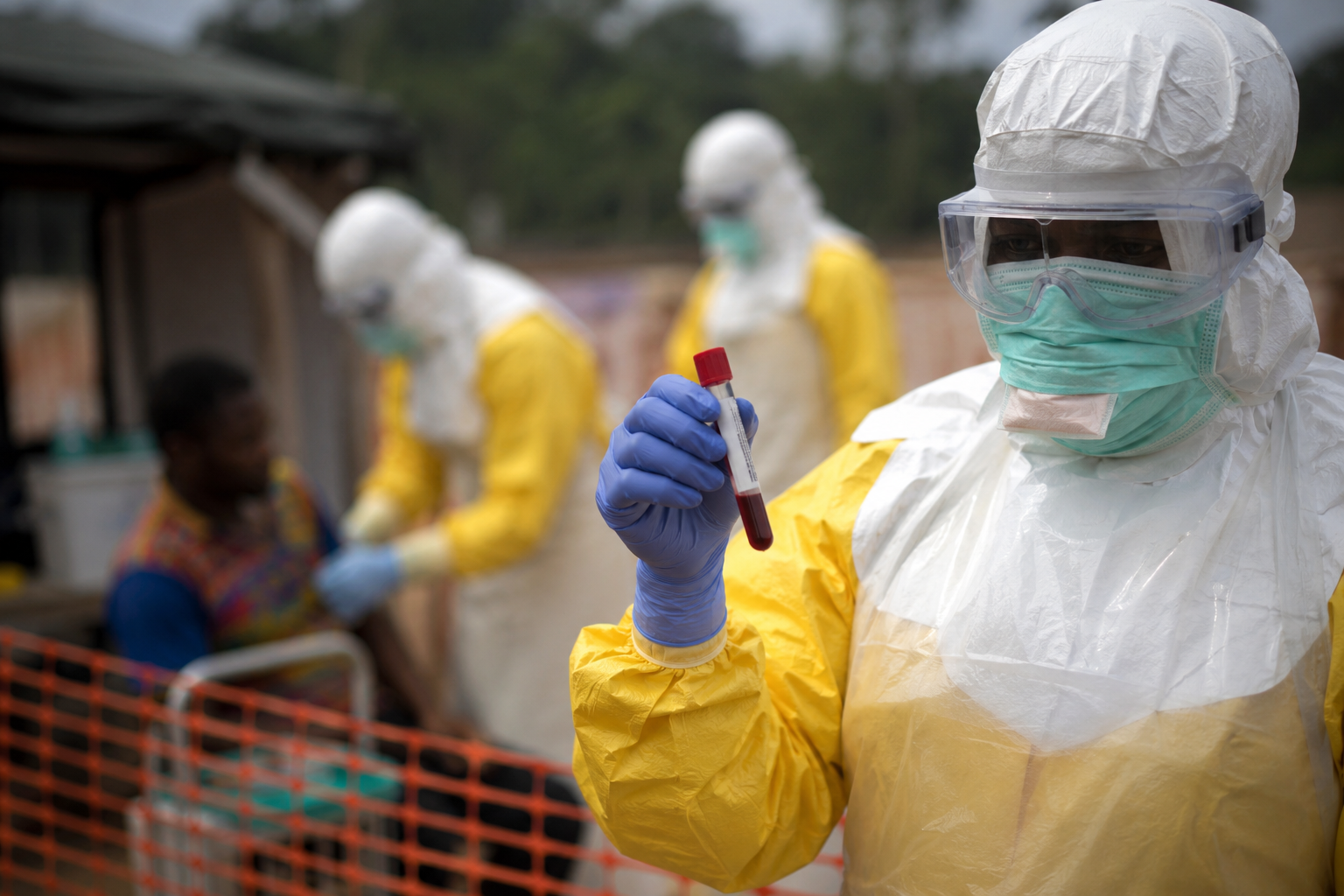
- Using protective gear, such as gloves and masks, when caring for sick individuals or handling potentially contaminated materials.
- Seeking immediate medical attention if symptoms such as high fever, unexplained bleeding, or severe fatigue develop, particularly in endemic regions.
Healthcare workers are advised to follow standard infection prevention and control protocols, including the use of personal protective equipment (PPE) and proper waste disposal, to minimize the risk of nosocomial transmission.
What Readers Should Know
This outbreak is a stark reminder of the vulnerabilities in Nigeria’s health system, particularly in rural and underserved areas. The rising case fatality rate underscores the urgent need for improved diagnostic capacity, timely treatment access, and stronger public health interventions.
For travelers and residents in affected regions, awareness of the symptoms and risk factors is critical. Early medical intervention can significantly improve outcomes, but delays in seeking care or misdiagnosis can be fatal. Communities must also prioritize rodent control and sanitation to break the transmission cycle.
While the NCDC and international partners are working to contain the outbreak, sustained investment in Nigeria’s health infrastructure is essential to prevent future crises. Without addressing the root causes of the outbreak, including diagnostic delays, resource shortages, and environmental risks, the cycle of Lassa fever outbreaks will continue.
Key Takeaways
- Nigeria’s Lassa fever outbreak has resulted in 191 deaths with a case fatality rate of 37.2%, nearly double the rate from the previous year.
- Delayed treatment, misdiagnosis, and resource shortages are driving the surge in fatalities, particularly in rural areas.
- The multimammate rat, the primary carrier of the virus, thrives in unsanitary conditions, exacerbating transmission risks.
- Only a limited number of laboratories in Nigeria can test for Lassa fever, creating critical delays in diagnosis and treatment.
- Public health officials emphasize the need for improved sanitation, rodent control, and community education to curb transmission.
- Sustained investment in Nigeria’s health infrastructure is essential to prevent future outbreaks of similar magnitude.
Frequently Asked Questions
What are the early symptoms of Lassa fever?
Early symptoms of Lassa fever include high fever, severe fatigue, muscle pain, and gastrointestinal distress such as vomiting and diarrhea. These symptoms often mimic other febrile illnesses like malaria or typhoid, which can lead to misdiagnosis.
How is Lassa fever transmitted?
Lassa fever is primarily transmitted through direct contact with infected rodents or their excreta. It can also spread through consumption of contaminated food or water, or via human to human transmission through bodily fluids, particularly in healthcare settings.
What should I do if I suspect I have Lassa fever?
If you develop symptoms such as high fever, unexplained bleeding, or severe fatigue, especially if you live in or have traveled to an endemic region, seek immediate medical attention. Early diagnosis and treatment are critical to improving outcomes.
How can I protect myself and my family from Lassa fever?
To reduce your risk of infection, improve sanitation and waste management in your home, store food in rodent proof containers, practice strict hand hygiene, and avoid contact with rodents or their excreta. Use protective gear when handling potentially contaminated materials.
What is Nigeria doing to contain the outbreak?
The Nigeria Centre for Disease Control and Prevention (NCDC) has activated emergency response teams, deployed rapid response units to high burden states, and increased public awareness campaigns. The agency is also working to expand diagnostic capacity and improve access to treatment.
Medical Review: MedSense Editorial Board








DISCUSSION (0)
POST A COMMENT