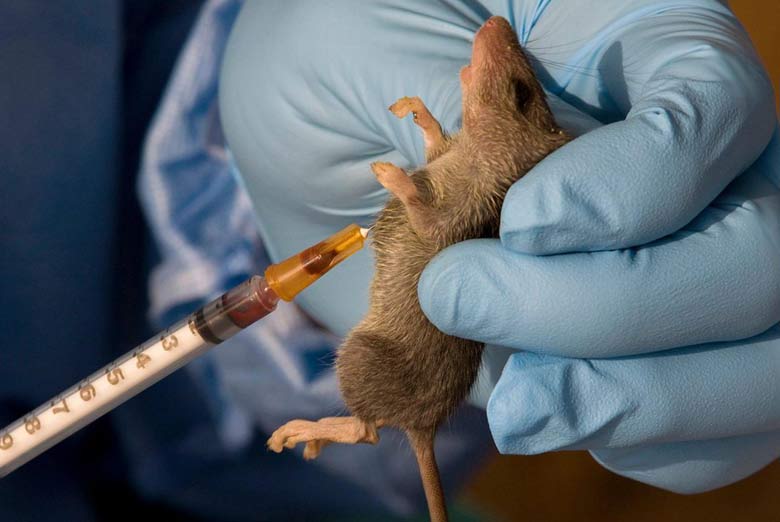
Nigeria is grappling with a significant resurgence of Lassa fever, a viral hemorrhagic illness transmitted primarily through contact with infected rodents. The Nigeria Centre for Disease Control and Prevention (NCDC) has confirmed a sharp increase in confirmed cases and fatalities across multiple states, prompting heightened public health interventions.
As of the latest epidemiological update, the outbreak has expanded to 12 states, with Ondo, Edo, and Bauchi reporting the highest concentrations of cases. Health authorities warn that the case fatality rate remains alarmingly high, underscoring both the virulence of the virus and persistent challenges in early diagnosis and treatment.
What Happened
The NCDC has documented a marked rise in Lassa fever cases in Nigeria, with transmission intensifying during the dry season, a period historically associated with increased human exposure to rodent reservoirs. The agency’s latest report indicates that confirmed cases have been identified in 12 states, including Benue, Plateau, and Taraba, which had previously reported limited activity.
Health officials attribute the surge to a combination of environmental factors, including reduced rainfall that concentrates rodents near human settlements, and gaps in community awareness about preventive measures. The NCDC has also noted that delayed healthcare seeking behavior in affected regions has contributed to the persistence of transmission.
Why Public Health Officials Are Concerned
The case fatality rate for Lassa fever in Nigeria remains disproportionately high, with recent data suggesting that approximately one in five infected individuals does not survive the illness. This rate is significantly elevated compared to other viral hemorrhagic fevers in the region, reflecting both the severity of the disease and systemic challenges in clinical management.
Public health experts point to several contributing factors: limited access to rapid diagnostic testing in rural areas, shortages of trained healthcare personnel in high burden states, and the absence of a licensed vaccine. The NCDC has emphasized that without immediate and sustained interventions, the outbreak could escalate further, particularly as the dry season progresses.
Symptoms or Risk Factors
Lassa fever presents with a range of symptoms that can mimic other febrile illnesses, making early diagnosis difficult. Common signs include fever, headache, sore throat, muscle aches, and gastrointestinal distress. In severe cases, patients may develop bleeding from the gums or nose, seizures, or organ failure.
Individuals at highest risk include those living in rural or peri urban areas with poor rodent control, healthcare workers treating undiagnosed febrile patients, and individuals with limited access to healthcare facilities. The virus spreads through direct contact with infected rodents, their excreta, or contaminated food and surfaces. Person to person transmission can occur in healthcare settings through exposure to bodily fluids.
Who May Be Affected
The current outbreak disproportionately impacts communities in Ondo, Edo, and Bauchi states, where environmental conditions and socioeconomic factors increase exposure risks. Farmers, traders, and individuals involved in food storage or preparation are particularly vulnerable due to their frequent interaction with rodent infested environments.
Healthcare workers in affected regions face elevated risks, especially in facilities lacking adequate personal protective equipment (PPE) or isolation protocols. The NCDC has also highlighted the vulnerability of pregnant women, who are at higher risk of severe complications, including miscarriage, if infected.
Government or WHO Response
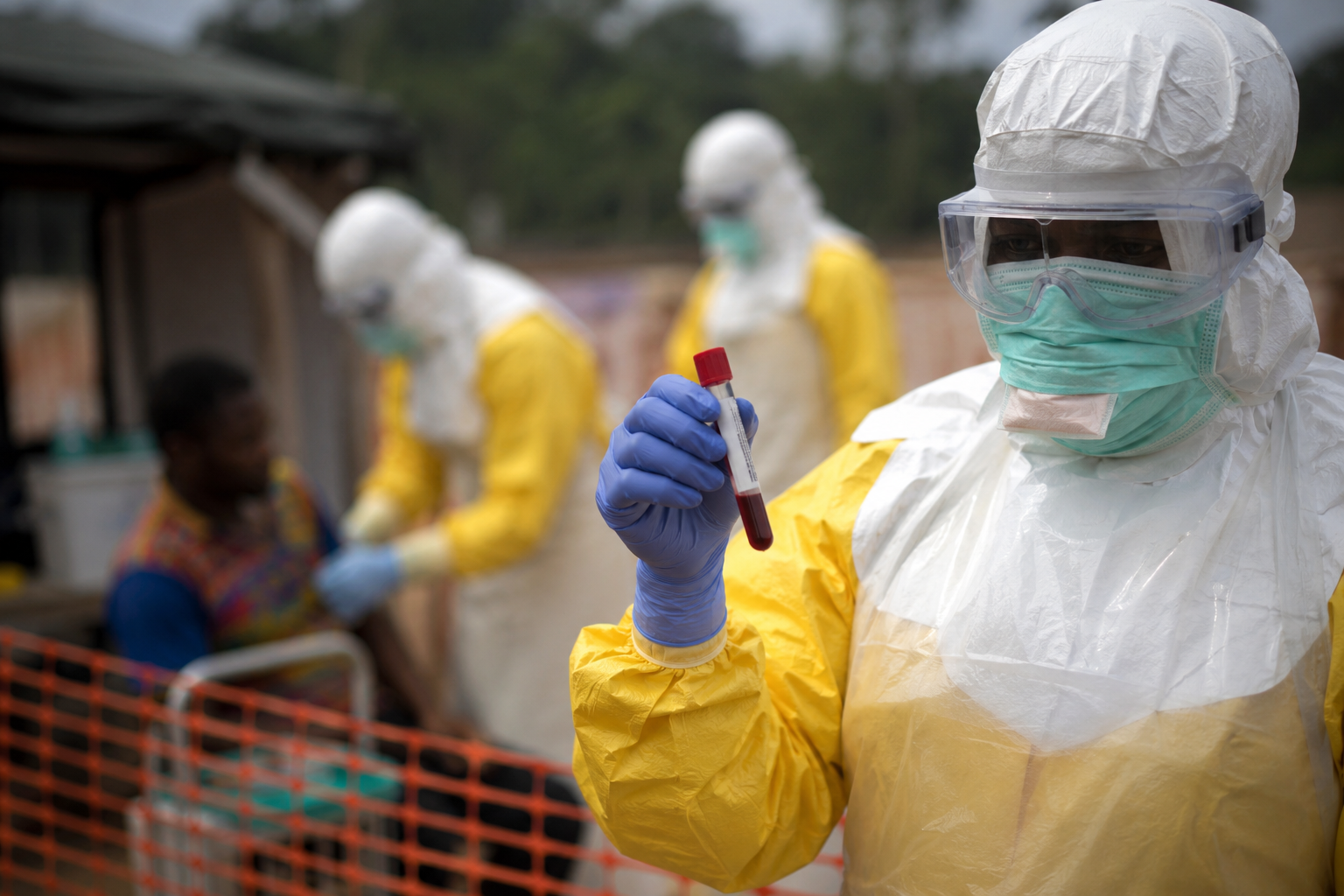
The NCDC has activated a multi pronged response strategy, deploying rapid response teams to hotspot states to conduct contact tracing, enhance surveillance, and support local health authorities. Laboratory capacity has been expanded in key regions, with the agency prioritizing the deployment of mobile testing units to remote areas.
The World Health Organization (WHO) has provided technical support, including the deployment of experts to assist with outbreak investigations and case management training. The WHO has also emphasized the need for international collaboration, noting that Lassa fever remains a regional public health threat with potential for cross border spread.
At the federal level, the Nigerian government has allocated additional funding to strengthen outbreak response, including the procurement of PPE, antiviral medications, and rodent control supplies. State governments in high burden areas have been directed to enhance public awareness campaigns and improve healthcare infrastructure.
Prevention and Safety Guidance
The NCDC recommends several measures to reduce the risk of Lassa fever infection. Key preventive actions include:
- Storing food in rodent proof containers and maintaining clean living environments to deter rodent infestations.
- Using protective gear, such as gloves and masks, when handling potentially contaminated materials or caring for sick individuals.
- Avoiding contact with rodents and their excreta, including through the consumption of bushmeat or improperly stored grains.
- Seeking immediate medical attention for febrile illnesses, particularly in regions with known Lassa fever activity.
- Healthcare facilities are advised to implement strict infection prevention and control (IPC) protocols, including the isolation of suspected cases and the use of standard precautions.
What Readers Should Know
Lassa fever is a persistent public health challenge in Nigeria, with seasonal surges that require year round vigilance. While the current outbreak is concerning, health authorities stress that the situation is manageable with coordinated efforts. The NCDC has urged the public to remain alert to symptoms and to avoid practices that increase exposure to rodents.
For travelers to affected states, the NCDC advises practicing good hygiene, avoiding contact with rodents, and seeking medical evaluation if symptoms develop within three weeks of exposure. Healthcare providers nationwide have been reminded to maintain a high index of suspicion for Lassa fever in patients presenting with unexplained fever, particularly during the dry season.
Key Takeaways
- Lassa fever cases in Nigeria have surged to 12 states, with Ondo, Edo, and Bauchi reporting the highest burden.
- The case fatality rate remains high, reflecting the severity of the disease and challenges in early diagnosis and treatment.
- Environmental factors, such as rodent infestations during the dry season, are driving the current outbreak.
- Preventive measures, including rodent proof food storage and improved hygiene, are critical to reducing transmission.
- Health authorities are scaling up surveillance, testing, and response efforts to contain the outbreak.
Frequently Asked Questions
How is Lassa fever transmitted to humans?
Lassa fever is primarily transmitted to humans through contact with infected rodents, particularly the multimammate rat (Mastomys natalensis). The virus can spread through direct contact with rodent urine, feces, or saliva, as well as through contaminated food or surfaces. Person to person transmission can occur in healthcare settings through exposure to bodily fluids of infected individuals.
What are the early symptoms of Lassa fever?
Early symptoms of Lassa fever include fever, headache, sore throat, muscle aches, and gastrointestinal distress such as nausea, vomiting, or diarrhea. These symptoms are often nonspecific and can resemble those of other febrile illnesses, making early diagnosis challenging.
Who is at highest risk of severe Lassa fever?
Individuals at highest risk of severe Lassa fever include pregnant women, who face a higher risk of complications such as miscarriage, and healthcare workers treating undiagnosed febrile patients without adequate protective equipment. People living in rural or peri urban areas with poor rodent control are also particularly vulnerable.
What should I do if I suspect I have Lassa fever?
If you suspect you have Lassa fever, seek immediate medical attention, particularly if you live in or have traveled to an affected region. Inform healthcare providers about your symptoms and recent exposure to rodents or febrile individuals. Early diagnosis and supportive care can significantly improve outcomes.
Is there a vaccine for Lassa fever?
As of now, there is no licensed vaccine for Lassa fever available to the public. Research into vaccine development is ongoing, but prevention currently relies on rodent control, improved hygiene, and infection prevention measures in healthcare settings.
Medical Review: MedSense Editorial Board








DISCUSSION (0)
POST A COMMENT