
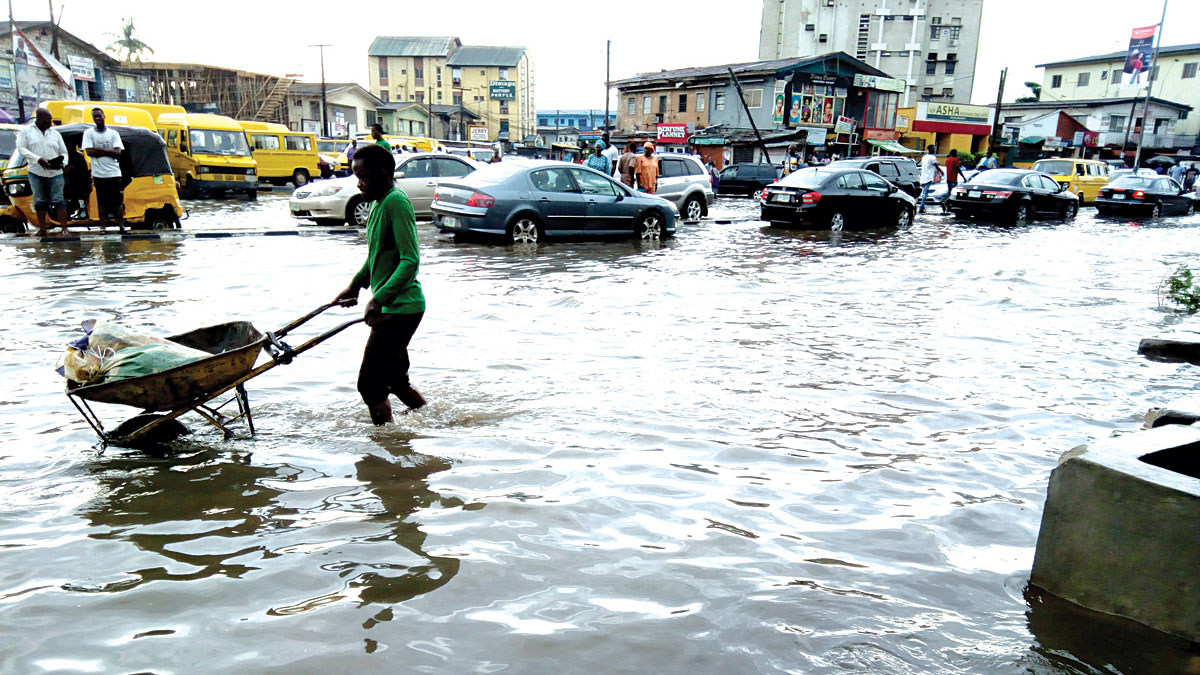
For families in Oke Popo, a densely populated neighborhood on Lagos Island, securing clean water is a daily battle with life altering consequences. The community’s struggle reflects broader failures in Nigeria’s water infrastructure, where decades of neglect, environmental pressures, and economic disparities have created a silent public health emergency.
Residents report paying up to 10 times the cost of government supplied water to informal vendors, while boreholes, often their only alternative, yield contaminated or saline water. The result is a cycle of illness, financial hardship, and limited opportunities, particularly for children and the elderly.
What Happened
Oke Popo’s water crisis stems from systemic failures in Lagos’ water supply network. Decades of underfunded infrastructure, rapid urbanization, and environmental degradation have left the community without reliable access to potable water. Public piped systems are either nonfunctional or nonexistent, forcing residents to rely on expensive private vendors or contaminated boreholes.
Environmental factors, including rising sea levels and coastal erosion, have worsened the problem by increasing saltwater intrusion into groundwater sources. This has degraded water quality in boreholes, leaving many households with no safe option for drinking or cooking.
Why Public Health Officials Are Concerned
Public health experts warn that the crisis is accelerating the spread of waterborne diseases such as cholera, typhoid, and diarrhea. The World Health Organization (WHO) identifies unsafe water as a leading cause of preventable illness in low income urban communities, with children under five and the elderly most vulnerable.
Beyond health risks, the financial strain of purchasing water from vendors or treating contaminated sources is pushing households deeper into poverty. Families in Oke Popo spend an estimated 20 to 30 percent of their monthly income on water, diverting funds from essential needs like food, education, and healthcare.
Symptoms or Risk Factors
Consumption of unsafe water in Oke Popo has been linked to gastrointestinal infections, malnutrition, and long term exposure to heavy metals such as lead or arsenic. Symptoms of waterborne illnesses include persistent diarrhea, fever, and dehydration, particularly in children. The lack of access to clean water also exacerbates malnutrition by compromising food preparation and hygiene practices.
Environmental risks, such as high salinity in borehole water, can cause skin irritation and damage to household appliances, further straining limited resources.
Who May Be Affected
The crisis disproportionately impacts low income families, who lack the financial means to invest in alternative solutions like rainwater harvesting or bottled water. Children and the elderly are at higher risk of severe illness due to weaker immune systems, while pregnant women face increased risks of complications linked to waterborne diseases.
Local schools and healthcare facilities also struggle with water access, forcing staff and patients to rely on unsafe sources. This not only threatens public health but also undermines efforts to improve education and healthcare outcomes in the community.
Government or WHO Response
The Lagos State Water Corporation (LSWC) has acknowledged the crisis and announced plans to expand piped water networks and rehabilitate boreholes. However, progress has been slow due to bureaucratic delays, funding gaps, and competing urban development priorities.
The WHO has called for urgent action to address water insecurity in Lagos, emphasizing the need for sustainable infrastructure investments and community based solutions. In a 2023 report, the WHO highlighted Lagos as a case study in how rapid urbanization can outpace resource management, creating public health vulnerabilities.
Prevention and Safety Guidance
For residents in Oke Popo, the immediate priority is ensuring water safety. The Lagos State Ministry of Health recommends boiling water for at least one minute before consumption or using certified water treatment products to remove contaminants. Households are also advised to avoid purchasing water from unregulated vendors, as quality standards are often unenforced.
Community led initiatives, such as low cost filtration systems in schools and health centers, are providing temporary relief. The LSWC has also begun piloting solar powered desalination units and mobile water treatment plants to convert brackish or contaminated water into safe drinking water.
Activists are advocating for stronger regulations on water vendors, subsidies for water treatment products, and increased transparency in water allocation and distribution. These measures aim to reduce exploitation and ensure equitable access to clean water.
What Readers Should Know
Oke Popo’s water crisis is not an isolated incident but a symptom of broader systemic failures in Nigeria’s water infrastructure. While short term solutions can provide temporary relief, long term sustainability requires coordinated action from government, private sector, and communities.
Residents must remain vigilant about water safety, while policymakers need to prioritize infrastructure investments and climate resilient water management strategies. The lack of access to clean water is a fundamental human rights issue, with far reaching consequences for health, education, and economic development.
Key Takeaways
- Oke Popo’s water crisis is driven by decades of underinvestment in Lagos’ water infrastructure, environmental degradation, and economic disparities.
- Residents face severe health risks from waterborne diseases and financial strain from relying on unsafe or overpriced water sources.
- Children and the elderly are most vulnerable to illness and malnutrition due to unsafe water consumption.
- Government efforts to expand piped water networks and rehabilitate boreholes have been slow, despite public health warnings.
- Community led initiatives and technological innovations offer temporary relief, but systemic reforms are needed for long term solutions.
Frequently Asked Questions
What are the primary health risks associated with drinking contaminated water in Oke Popo?
Consuming unsafe water in Oke Popo increases the risk of waterborne diseases such as cholera, typhoid, and diarrhea. Long term exposure to contaminants like lead or arsenic can also cause chronic health issues, including gastrointestinal infections, malnutrition, and developmental problems in children.
How much do residents typically spend on water each month?
Households in Oke Popo spend an estimated 20 to 30 percent of their monthly income on water, often paying up to 10 times the cost of government supplied water to informal vendors. This financial burden diverts funds from essential needs like food, education, and healthcare.
What steps can residents take to ensure their water is safe to drink?
The Lagos State Ministry of Health recommends boiling water for at least one minute before consumption or using certified water treatment products to remove contaminants. Households should also avoid purchasing water from unregulated vendors, as quality standards are often unenforced.
What is the Lagos State government doing to address the water crisis?
The Lagos State Water Corporation (LSWC) has announced plans to expand piped water networks and rehabilitate boreholes. The government is also piloting solar powered desalination units and mobile water treatment plants to convert brackish or contaminated water into safe drinking water.
How does climate change contribute to the water crisis in Oke Popo?
Rising sea levels and coastal erosion have increased saltwater intrusion into groundwater sources, degrading water quality in boreholes. This environmental pressure exacerbates the scarcity of safe drinking water in the community.
Medical Review: MedSense Editorial Board







DISCUSSION (0)
POST A COMMENT