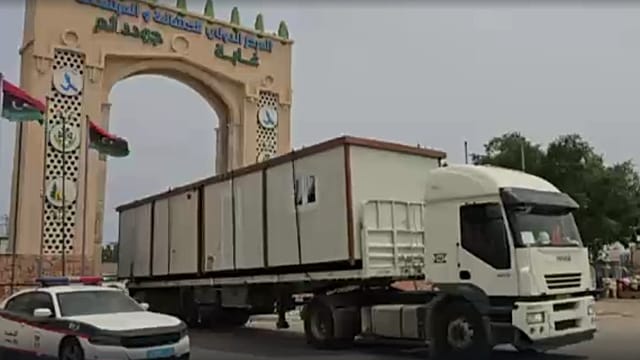
The Kwara State Government, in partnership with the United Nations Children’s Fund (UNICEF), has delivered vital intervention materials to victims of insecurity seeking refuge at the Internally Displaced Persons (IDP) camp in Yikpata, Edu Local Government Area (LGA). The relief supplies, which include Water, Sanitation, and Hygiene (WASH) items alongside other essential relief materials, aim to alleviate the dire humanitarian conditions faced by displaced families in the region.
Humanitarian Crisis Deepens in Nigeria’s North Central Region
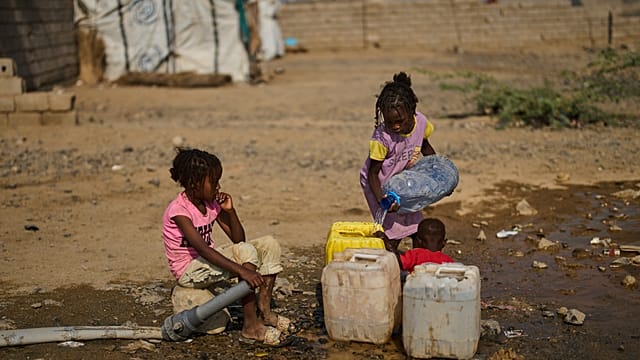
The intervention comes at a critical juncture as insecurity continues to displace thousands of individuals across Nigeria’s North Central states, including Kwara. The Yikpata IDP camp has become a sanctuary for families fleeing violence, many of whom lack access to basic necessities such as clean water, sanitation facilities, and hygiene products. The delivered supplies are expected to significantly improve living conditions and reduce the risk of disease outbreaks in the camp.
Scope of UNICEF’s Support in Nigeria’s Displacement Crisis
UNICEF’s involvement in this initiative highlights its commitment to addressing the multifaceted challenges faced by displaced populations in Nigeria. The organization’s support extends beyond immediate relief, encompassing:
- Provision of clean water and sanitation infrastructure to prevent disease transmission.
- Distribution of hygiene kits, including soap, sanitary pads, and menstrual hygiene products.
- Nutritional support for children and vulnerable groups to combat malnutrition.
- Psychosocial services to address trauma and mental health challenges among displaced individuals.
Government’s Role in Mitigating the Crisis
The Kwara State Government’s collaboration with UNICEF demonstrates a proactive approach to managing the humanitarian fallout of insecurity. Key actions taken by the state include:
- Establishment and maintenance of the Yikpata IDP camp to provide temporary shelter.
- Coordination with local and international partners to ensure sustained aid delivery.
- Advocacy for long-term solutions to address the root causes of displacement in the region.
Challenges in Delivering Aid Amid Ongoing Violence
Despite these efforts, delivering aid to displaced populations remains fraught with challenges. Security concerns, logistical hurdles, and limited resources often hinder the reach and effectiveness of humanitarian interventions. The Yikpata camp, like many others in Nigeria, faces overcrowding and inadequate infrastructure, exacerbating the risk of health emergencies such as cholera and malnutrition.
Understanding the Broader Context of Displacement in Nigeria
Nigeria’s North Central region has been particularly affected by insecurity, driven by factors such as farmer-herder conflicts, banditry, and insurgency. These crises have displaced millions, overwhelming local resources and straining humanitarian aid systems. The collaboration between state governments and international organizations like UNICEF is crucial in bridging the gap between need and assistance.
The Yikpata IDP camp serves as a microcosm of the larger displacement crisis in Nigeria, where displaced families often struggle to access basic services. The intervention by Kwara State and UNICEF is a step toward addressing these gaps, but sustained efforts are required to ensure long-term stability and recovery for affected communities.
MedSense Insight
This humanitarian intervention underscores the urgent need for a coordinated, multi-sectoral approach to address the displacement crisis in Nigeria’s North Central region. While immediate relief is critical, long-term solutions must include:
- Strengthening security measures to protect vulnerable populations.
- Investing in community resilience and livelihood programs to reduce dependency on aid.
- Enhancing coordination between government agencies, NGOs, and international partners to optimize resource allocation.
The partnership between Kwara State and UNICEF sets a precedent for how state-local and international collaborations can mitigate the impact of displacement. However, the scale of the crisis demands greater attention and resources from both national and global stakeholders to prevent further deterioration of living conditions for displaced populations.
Key Takeaway
The delivery of WASH and relief supplies to the Yikpata IDP camp by Kwara State and UNICEF highlights the critical role of coordinated humanitarian responses in addressing displacement crises. While immediate aid is essential, sustainable solutions require addressing the root causes of insecurity and investing in long-term resilience for affected communities.
Editorial Note: This report was prepared by MedSense News using verified public reporting, official statements, and editorial analysis. Initial reporting credit: healthwise.punchng.com.














DISCUSSION (0)
POST A COMMENT