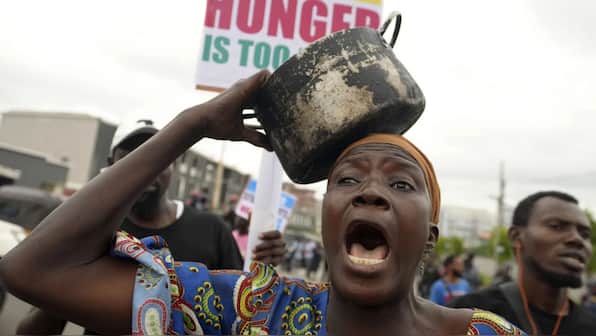
Nigeria is confronting a dual crisis: a hunger epidemic and a surge in preventable diseases, both fueled by severe food insecurity. The World Food Programme (WFP) and the World Health Organization (WHO) report that millions across the country, particularly in rural and conflict affected regions, are facing acute malnutrition, which is weakening immune systems and increasing vulnerability to infections.
Health experts warn that hunger is no longer just a nutritional issue but a driver of infectious disease outbreaks, maternal and child mortality, and long term developmental harm. The situation is compounded by climate shocks, economic instability, and ongoing insecurity, creating a cycle of deprivation and poor health outcomes.
What Happened
The hunger crisis in Nigeria has intensified over the past two years, with the WFP estimating that over 25 million people in the country are food insecure. This includes nearly 4 million people in acute need of food assistance, according to the latest Integrated Food Security Phase Classification (IPC) report. The crisis is most severe in the northeast, where Boko Haram insurgency has displaced communities and disrupted agricultural production.
Across Africa, the situation mirrors Nigeria’s challenges. The United Nations Office for the Coordination of Humanitarian Affairs (OCHA) reports that 140 million people in sub Saharan Africa are food insecure, with climate related disasters and conflict exacerbating the problem. In Nigeria alone, flooding in 2022 destroyed over 600,000 hectares of farmland, further straining food supplies.
Why Public Health Officials Are Concerned
Public health authorities are alarmed by the health consequences of malnutrition, which extends far beyond hunger. The WHO highlights that undernourished individuals, particularly children under five and pregnant women, face heightened risks of severe infections. Malnutrition is a leading contributor to child mortality in Nigeria, where it accounts for nearly half of all deaths among children under five, according to UNICEF.
In regions with high malnutrition rates, disease outbreaks such as cholera, measles, and malaria are spreading faster due to weakened immune systems and poor sanitation. The WHO reports that Nigeria experienced a 40% increase in cholera cases in 2023 compared to the previous year, with malnutrition cited as a key risk factor. Health systems in affected areas are overwhelmed, struggling to provide even basic care.
Symptoms or Risk Factors
Malnutrition manifests in visible and invisible ways. Acute malnutrition in children is often identified by:
- Visible wasting (severe thinness)
- Stunted growth (below average height for age)
- Swelling in the legs, feet, or face (a sign of kwashiorkor)
- Frequent illnesses, including diarrhea, pneumonia, and measles
Pregnant women with poor nutrition face higher risks of complications during childbirth, including preterm delivery and low birth weight, which can lead to long term health issues for infants. Adults with chronic malnutrition are more susceptible to infectious diseases and have reduced productivity, perpetuating the cycle of poverty.
Who May Be Affected
The hunger crisis disproportionately impacts vulnerable populations:
- Children under five: At highest risk for acute malnutrition and related mortality.
- Pregnant and lactating women: Require additional nutrients to support fetal and infant development.
- Rural farming communities: Disrupted by conflict and climate shocks, leaving families without reliable food sources.
- Internally displaced persons (IDPs): Often living in overcrowded camps with limited access to clean water and healthcare.
- Elderly populations: More susceptible to malnutrition due to reduced mobility and fixed incomes.
Government or WHO Response
The Nigerian government, in collaboration with international partners, has launched emergency nutrition programs to address acute malnutrition. The Federal Ministry of Health, supported by UNICEF and the WFP, is scaling up community based management of acute malnutrition (CMAM) programs, which provide therapeutic foods and medical treatment to severely malnourished children.
The WHO is providing technical assistance to strengthen disease surveillance and outbreak response in high risk regions. In 2023, the agency deployed rapid response teams to support cholera and measles vaccination campaigns in conflict affected areas. The Nigerian government has also committed to expanding social protection programs, including cash transfers for vulnerable households, to improve food access.
At the continental level, the African Union has called for increased investment in agricultural resilience and climate adaptation to mitigate future food crises. The African Development Bank has pledged $1.5 billion to support climate smart agriculture and food security initiatives across the region.
Prevention and Safety Guidance
Public health experts emphasize that preventing malnutrition requires a multi sectoral approach:
- Nutrition support: Exclusive breastfeeding for infants under six months, and fortified foods for children and pregnant women.
- Disease prevention: Vaccination against measles, pneumonia, and other preventable illnesses; distribution of insecticide treated bed nets to reduce malaria transmission.
- Water, sanitation, and hygiene (WASH): Access to clean water and proper sanitation to reduce diarrheal diseases, which exacerbate malnutrition.
- Livelihood support: Training in drought resistant farming techniques and provision of drought tolerant crop seeds to improve food security.
- Community health education: Training local health workers to identify and treat malnutrition early, and teaching families about balanced diets and hygiene practices.
What Readers Should Know
For families in affected regions, the immediate priority is accessing nutritious food and healthcare. The WFP reports that funding gaps have forced cuts to food assistance programs, leaving millions without support. Donations to organizations like the WFP, UNICEF, and Médecins Sans Frontières (MSF) can provide critical aid to those in need.
For policymakers and global health leaders, the crisis underscores the need for long term solutions, including investment in agricultural innovation, climate adaptation, and conflict resolution. The WHO warns that without sustained action, the hunger crisis will continue to drive disease and mortality, reversing decades of progress in child survival and maternal health.
Key Takeaways
- Nigeria’s hunger crisis has escalated into a public health emergency, with malnutrition increasing vulnerability to infectious diseases like cholera, measles, and malaria.
- Children under five and pregnant women are the most affected by acute malnutrition, which contributes to high child mortality rates and long term developmental harm.
- Climate change, conflict, and economic instability are exacerbating food insecurity, creating a cycle of deprivation and poor health outcomes.
- International agencies and the Nigerian government are scaling up emergency nutrition programs, but funding gaps and logistical challenges remain significant barriers.
- Preventing malnutrition requires a combination of nutrition support, disease prevention, WASH interventions, livelihood support, and community health education.
Frequently Asked Questions
How does malnutrition increase the risk of infectious diseases?
Malnutrition weakens the immune system, reducing the body’s ability to fight off infections. Undernourished individuals are more susceptible to diseases like cholera, measles, and pneumonia, and are at higher risk of severe complications from these illnesses.
What are the long term effects of childhood malnutrition?
Chronic malnutrition in early childhood can lead to stunted growth, poor brain development, reduced learning ability, and increased risk of chronic diseases later in life. It also perpetuates cycles of poverty by limiting educational and economic opportunities.
What is the Nigerian government doing to address the hunger crisis?
The Nigerian government, with support from international partners, is expanding community based management of acute malnutrition programs, deploying vaccination campaigns, and increasing social protection programs like cash transfers for vulnerable households.
How can individuals help address the hunger crisis in Nigeria?
Individuals can support organizations like the World Food Programme, UNICEF, and Médecins Sans Frontières by donating funds or volunteering. Advocating for policies that address food security, climate adaptation, and conflict resolution can also contribute to long term solutions.
What role does climate change play in Nigeria’s hunger crisis?
Climate change has intensified the hunger crisis by causing more frequent and severe droughts and floods, which destroy crops and disrupt food production. In 2022, flooding in Nigeria destroyed over 600,000 hectares of farmland, further straining food supplies.
Medical Review: MedSense Editorial Board




DISCUSSION (0)
POST A COMMENT