
As diplomatic negotiations between the United States and Iran reach a critical impasse, public health experts are raising alarms about the broader implications of sustained geopolitical tension. The psychological and physiological toll of prolonged uncertainty is emerging as a growing concern, with potential ripple effects across global health systems.
Why This Is Escalating
- Breakdown in Diplomacy: The rejection of peace conditions by key stakeholders has heightened fears of renewed conflict, creating an environment of chronic stress for populations in affected regions and beyond.
- Psychological Impact: Studies show that geopolitical instability can lead to increased rates of anxiety, depression, and post-traumatic stress disorder (PTSD), particularly among vulnerable groups such as refugees and displaced communities.
- Economic Strain: Escalating tensions often disrupt supply chains, leading to shortages in essential goods, including medications and medical supplies, further straining healthcare infrastructure.
Understanding the Health Consequences
- Stress-Related Illnesses: Chronic stress is linked to a range of conditions, including hypertension, cardiovascular disease, and weakened immune function. The American Psychological Association (APA) notes that prolonged exposure to stress can accelerate aging at the cellular level.
- Mental Health Crisis: The World Health Organization (WHO) estimates that conflict and displacement contribute to a 50% increase in mental health disorders. Populations in conflict zones are particularly susceptible to severe psychological distress.
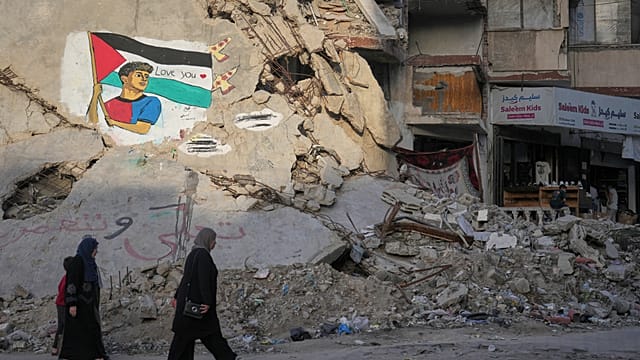
- Disruption of Healthcare Services: Hospitals and clinics in conflict zones often face closures or reduced capacity, limiting access to critical care. The WHO reports that over 50% of healthcare facilities in conflict-affected areas are non-functional or partially operational.
Global Response and Mitigation Efforts
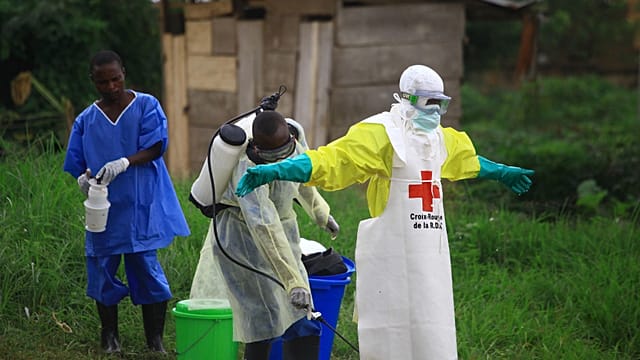
Public health organizations are calling for increased mental health support and resilience-building programs to address the fallout from geopolitical instability. The International Red Cross and Red Crescent Movement has emphasized the need for:
- Enhanced psychological first aid for affected populations.
- Strengthening healthcare infrastructure in vulnerable regions.
- Global cooperation to ensure the uninterrupted supply of medical resources.
MedSense Insight
The intersection of geopolitics and public health is a growing area of concern, with evidence suggesting that the health impacts of conflict extend far beyond immediate physical injuries. As tensions persist, the long-term consequences—such as increased rates of chronic disease and mental health disorders—could place unprecedented strain on global health systems. Proactive measures, including early intervention and international collaboration, are essential to mitigating these risks.
Key Takeaway
- Geopolitical tensions can have profound and lasting effects on public health, exacerbating stress-related illnesses and mental health disorders.
- Disruptions to healthcare services in conflict zones can lead to long-term health crises, particularly in vulnerable populations.
- Global health organizations are advocating for increased support and resilience-building programs to address the psychological and physiological toll of prolonged instability.
Editorial Note: This report was prepared by MedSense News using verified public reporting, official statements, and editorial analysis. Initial reporting credit: dailypost.ng.












DISCUSSION (0)
POST A COMMENT