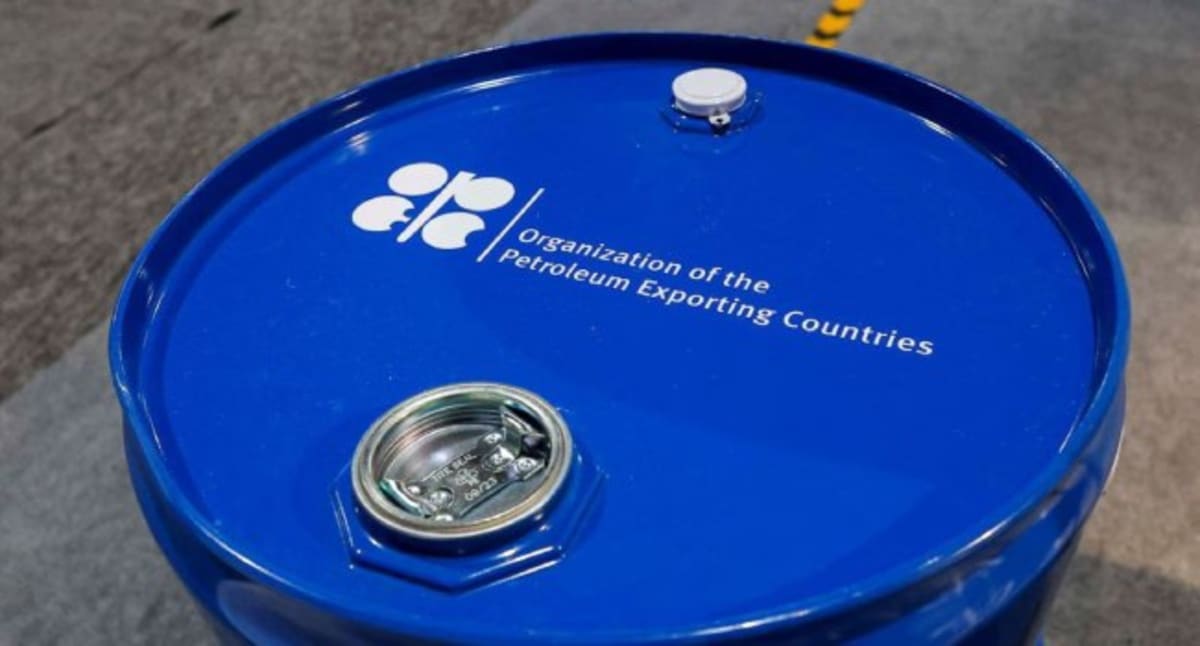
Global healthcare systems face a new challenge as the Organization of the Petroleum Exporting Countries and its allies (OPEC+) prepare to restore 1.65 million barrels per day in oil production cuts. While the move aims to stabilize energy markets, its ripple effects could strain medical supply chains already stretched thin by post pandemic pressures.
The decision arrives at a critical juncture for hospitals, pharmaceutical manufacturers, and patients worldwide. Petroleum products underpin nearly every facet of modern medicine, from the plastics in syringes to the fuel powering the transportation of life saving drugs and equipment.
What Happened
OPEC+ announced a phased restoration of 1.65 million barrels per day in production cuts, a policy shift that could push oil prices higher and disrupt industries dependent on petroleum. The move follows months of deliberation amid fluctuating global demand and geopolitical pressures.
Why Public Health Officials Are Concerned
Healthcare systems rely on oil and its derivatives for critical functions. Over 99% of active pharmaceutical ingredients (APIs) are derived from petrochemicals, meaning even modest increases in oil prices could inflate production costs for essential medications. Medical devices, including single use tools like catheters and surgical gloves, are also manufactured from petroleum based polymers. Rising fuel costs could lead to supply shortages or higher prices for hospitals and patients.
According to the World Health Organization (WHO), disruptions in medical supply chains disproportionately affect low and middle income countries, where healthcare infrastructure is already fragile. The COVID 19 pandemic exposed these vulnerabilities, and experts warn that a repeat scenario could emerge if fuel prices surge.
Symptoms or Risk Factors
While the OPEC+ decision itself is not a medical condition, its consequences could manifest in several ways:
- Increased costs for essential drugs, including antibiotics and vaccines, due to higher production and transportation expenses.
- Delays in the delivery of medical supplies, particularly in remote or underserved regions.
- Financial strain on hospitals, which may pass rising costs to patients, exacerbating affordability issues in healthcare systems.
- Potential shortages of medical devices and personal protective equipment (PPE), similar to challenges faced during the pandemic.
Who May Be Affected
The impact of higher oil prices and disrupted supply chains could be felt across multiple sectors:
- Hospitals and Clinics: Rising costs for medications, medical devices, and transportation could strain budgets, forcing difficult decisions about resource allocation.
- Pharmaceutical Manufacturers: Higher petrochemical costs could reduce profit margins, leading to potential price hikes for drugs or even production slowdowns.
- Patients: Those relying on prescription medications or chronic disease treatments may face higher out of pocket expenses or limited access to care.
- Developing Nations: Countries with weaker healthcare infrastructure could experience severe disruptions in the delivery of critical supplies, including vaccines and diagnostic tools.
Government or WHO Response
Public health officials are urging proactive measures to mitigate potential disruptions. The WHO has called for diversifying supply chains and investing in alternative materials to reduce dependence on petroleum based products. Some governments are exploring policies to stabilize fuel prices or subsidize essential medical supplies during periods of volatility.
In the United States, the Department of Health and Human Services (HHS) has highlighted the need for contingency planning to address supply chain vulnerabilities exposed during the pandemic. The agency is working with industry stakeholders to identify alternative sourcing strategies for critical medical products.
Prevention and Safety Guidance
Healthcare providers and policymakers can take steps to minimize the impact of rising oil prices on medical supply chains:
- Diversify Supply Sources: Reduce reliance on petroleum dependent materials by exploring alternatives such as bio based polymers or recycled plastics.
- Strengthen Inventory Management: Hospitals should maintain buffer stocks of critical supplies to weather potential shortages or price spikes.
- Advocate for Policy Solutions: Healthcare leaders can push for energy policies that prioritize stability and affordability, particularly in low income regions.
- Monitor Market Trends: Stay informed about oil price fluctuations and their potential impact on healthcare costs and supply chains.
What Readers Should Know
While the OPEC+ decision is framed as an economic measure, its consequences for global health are significant. Patients and healthcare providers should be aware of the potential for increased costs and supply disruptions in the coming months. Proactive planning and advocacy can help mitigate these risks, ensuring that critical medical supplies remain accessible and affordable.
For those managing chronic conditions or relying on prescription medications, it is advisable to discuss alternative treatment options or cost saving strategies with healthcare providers. Policymakers and industry leaders must collaborate to build resilience in medical supply chains, reducing dependence on volatile energy markets.
Key Takeaways
- OPEC+’s phased restoration of oil production cuts could raise fuel and petrochemical costs, threatening global healthcare supply chains.
- Over 99% of active pharmaceutical ingredients rely on petroleum derivatives, making healthcare systems vulnerable to price fluctuations.
- Hospitals, patients, and developing nations are most at risk of disruptions in the delivery of critical medications and medical devices.
- Public health officials recommend diversifying supply chains and investing in alternative materials to reduce dependence on oil.
- Proactive planning and policy advocacy are essential to mitigate the impact of rising oil prices on healthcare systems.
Frequently Asked Questions
How could OPEC+ oil production cuts affect the cost of prescription medications?
Oil is a key input in the production of petrochemicals, which are used to manufacture active pharmaceutical ingredients (APIs). Higher oil prices could increase production costs for drugs, leading to higher prices for patients and healthcare systems.
Which healthcare sectors are most vulnerable to disruptions in medical supply chains?
Hospitals, pharmaceutical manufacturers, and medical device producers are particularly vulnerable. Developing nations with weaker healthcare infrastructure may also face severe disruptions in the delivery of critical supplies.
What steps can hospitals take to prepare for potential supply chain disruptions?
Hospitals can diversify their supply sources, maintain buffer stocks of critical supplies, and strengthen inventory management. Advocating for policy solutions that stabilize fuel prices and promote alternative materials is also recommended.
Are there alternatives to petroleum based materials in medical supply chains?
Yes. Researchers are exploring bio based polymers and recycled plastics as alternatives to petroleum derived materials. Some medical devices and packaging are already being produced using these alternatives.
How can patients protect themselves from rising healthcare costs due to oil price fluctuations?
Patients should discuss alternative treatment options or cost saving strategies with their healthcare providers. Staying informed about market trends and advocating for policy solutions that prioritize healthcare affordability can also help.
Medical Review: MedSense Editorial Board








DISCUSSION (0)
POST A COMMENT