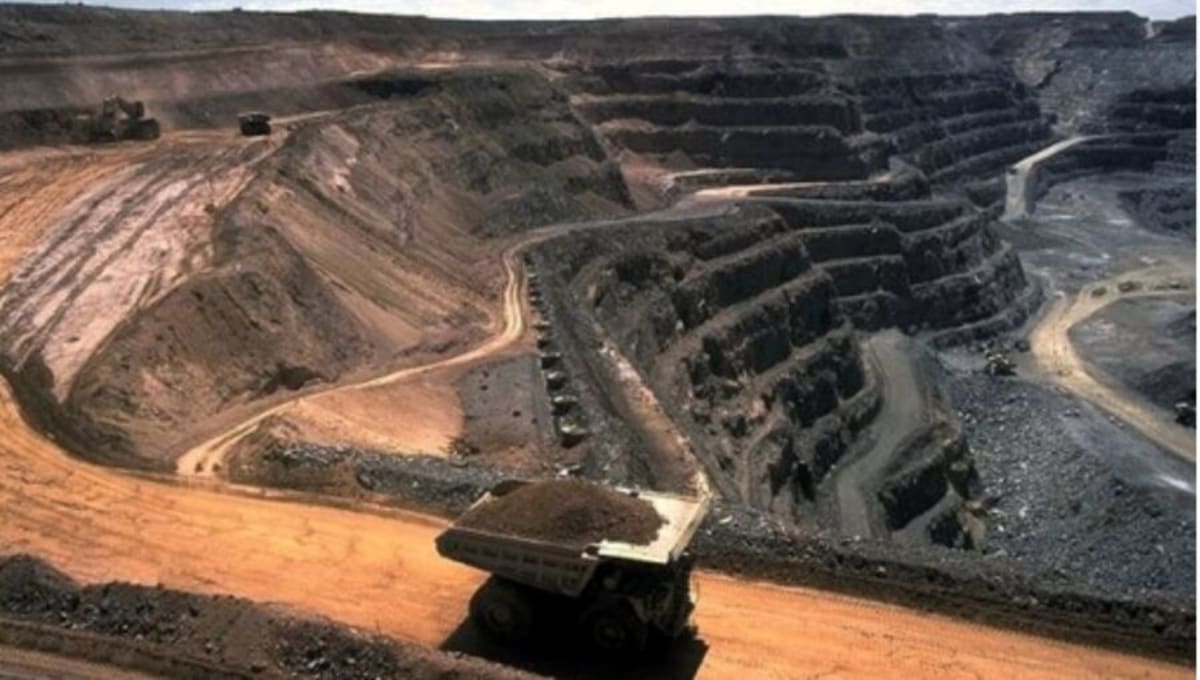
Gabon’s decision to increase its stake in Eramet, the parent company of Comilog which operates the Moanda manganese mine in the country’s eastern region, has intensified scrutiny over the health and environmental consequences of large scale mining operations. While the move is positioned as an economic strategy to capitalize on surging global demand for manganese, public health experts warn of potential long term risks to workers and surrounding communities.
Manganese, a critical mineral in steel production and battery manufacturing, is now a focal point of concern due to its documented links to neurological and respiratory disorders when exposure occurs at high levels. The Moanda mine, one of the world’s largest manganese deposits, has become a case study in the delicate balance between industrial growth and public health safeguards.
What Happened
Gabon’s government announced plans to acquire a significant stake in Eramet, a multinational mining and metallurgy group, which oversees Comilog’s operations in Moanda. The investment aligns with Gabon’s broader economic strategy to diversify revenue streams amid rising global demand for manganese, driven by the electric vehicle and renewable energy sectors. However, the expansion of mining activities has drawn attention from medical and environmental authorities concerned about the health implications of prolonged manganese exposure.
Why Public Health Officials Are Concerned
Manganese exposure, particularly through inhalation of dust or fumes in mining and processing facilities, has been associated with a neurological condition known as manganism. The disorder shares symptoms with Parkinson’s disease, including tremors, muscle rigidity, and cognitive decline, though it is not progressive once exposure ceases. Public health officials emphasize that the risks are not confined to workers; nearby communities may also face health threats from contaminated soil and water supplies.
According to the World Health Organization, occupational exposure to manganese dust is a recognized health hazard, with chronic exposure linked to respiratory diseases and neurological impairments. The International Labour Organization has also highlighted the need for stricter workplace safety measures in mining sectors where manganese extraction is prevalent.
Symptoms or Risk Factors
Health risks associated with manganese exposure include:
- Neurological symptoms such as tremors, balance disorders, and slowed movement, which can be misdiagnosed as Parkinson’s disease.
- Respiratory conditions including chronic bronchitis and reduced lung function due to prolonged inhalation of manganese particles.
- Cognitive effects such as memory loss, mood disorders, and impaired executive function.
- Environmental contamination risks that may lead to long term ecological damage and health consequences for local populations.
Who May Be Affected
The primary groups at risk include mine workers, processing plant employees, and residents living near mining operations. Children and pregnant women in affected communities may be particularly vulnerable to the health impacts of manganese exposure. Public health advocates stress that without robust safety protocols, the burden of manganese related illnesses could strain local healthcare systems, particularly in regions already grappling with infectious diseases and non communicable conditions.
Government or WHO Response
Gabon’s Ministry of Health has not yet issued specific guidance regarding the health risks tied to the Eramet investment. However, the World Health Organization has called for enhanced occupational safety standards and environmental monitoring in manganese mining regions. The WHO’s 2023 report on occupational health highlights the need for regular health screenings for workers, exposure limits, and transparency in reporting health incidents linked to mining activities.
Globally, the International Labour Organization has urged countries to adopt the WHO’s guidelines on manganese exposure, emphasizing the importance of preventive measures to mitigate health risks in high risk industries.
Prevention and Safety Guidance
To address the health risks associated with manganese mining, experts recommend several measures:
- Implementing strict workplace safety protocols, including the use of protective equipment and regular health monitoring for workers.
- Enforcing environmental regulations to prevent soil and water contamination, such as proper waste disposal and air quality monitoring.
- Conducting independent health assessments in mining communities to identify and address potential exposure risks.
- Promoting international collaboration to establish global safety standards for manganese extraction and processing.
What Readers Should Know
Manganese is an essential mineral for modern industries, but its extraction and processing pose significant health risks if not managed responsibly. As Gabon expands its role in the manganese supply chain, public health experts urge vigilance in monitoring exposure levels, enforcing safety regulations, and prioritizing the well being of workers and communities. The case of Moanda serves as a reminder of the need for balanced industrial policies that protect both economic growth and public health.
Key Takeaways
- Gabon’s investment in Eramet’s manganese operations raises concerns about occupational and environmental health risks, particularly the potential for manganism, a neurological disorder linked to manganese exposure.
- Workers in mining and processing facilities, as well as nearby communities, face elevated risks of respiratory diseases, neurological impairments, and environmental contamination.
- Public health experts emphasize the need for stricter workplace safety measures, environmental monitoring, and international collaboration to mitigate manganese related health risks.
- The surge in global demand for manganese, driven by the electric vehicle and renewable energy sectors, amplifies the urgency of implementing preventive health measures in mining regions.
Frequently Asked Questions
What is manganism, and how is it linked to manganese exposure?
Manganism is a neurological disorder caused by prolonged exposure to high levels of manganese, typically through inhalation of dust or fumes in occupational settings. The condition shares symptoms with Parkinson’s disease, including tremors, muscle rigidity, and cognitive decline, but it is not progressive once exposure ceases.
Who is most at risk of manganese related health issues?
The primary groups at risk include mine workers, processing plant employees, and residents living near mining operations. Children and pregnant women in affected communities may also be particularly vulnerable to the health impacts of manganese exposure.
What safety measures can reduce the health risks associated with manganese mining?
Experts recommend implementing strict workplace safety protocols, such as the use of protective equipment and regular health monitoring for workers. Environmental regulations to prevent soil and water contamination, independent health assessments in mining communities, and international collaboration to establish global safety standards are also critical.
How is Gabon addressing the health concerns tied to its manganese mining expansion?
Gabon’s Ministry of Health has not yet issued specific guidance regarding the health risks tied to the Eramet investment. However, the World Health Organization has called for enhanced occupational safety standards and environmental monitoring in manganese mining regions.
Medical Review: MedSense Editorial Board








DISCUSSION (0)
POST A COMMENT