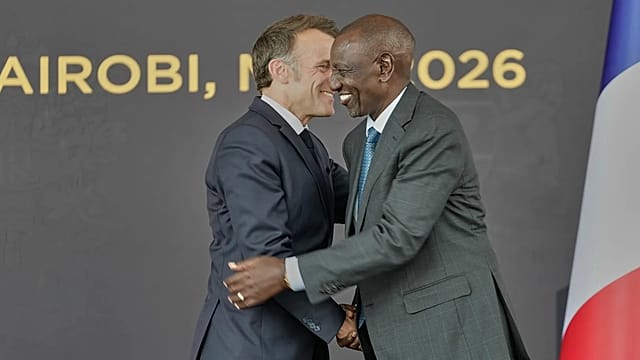
French President Emmanuel Macron has announced a €1 billion investment package in Kenya, marking a significant step toward reshaping Africa’s healthcare landscape. The pledge, unveiled during the Africa Forward summit co hosted with Kenyan President William Ruto, targets critical gaps in medical infrastructure, research capacity, and pandemic resilience across the continent.
This funding initiative arrives amid persistent health inequities in Africa, where limited local manufacturing of vaccines and therapeutics has left nations vulnerable to supply chain disruptions and global health crises. By prioritizing self sufficiency, the investment aligns with broader efforts to reposition Africa as a leader in medical innovation rather than a dependent recipient of external aid.
What Happened
The €1 billion commitment, announced during the Africa Forward summit in Nairobi, will channel resources into four key areas: medical research and innovation, infrastructure modernization, pandemic preparedness, and workforce development. French officials emphasized that the funding is not a one time aid package but a long term partnership designed to foster sustainable health systems.
Kenya, selected as the flagship partner for this initiative, will serve as a regional hub for clinical trials, biotechnology development, and digital health solutions. The agreement includes provisions for training healthcare workers, expanding telemedicine networks, and upgrading hospital facilities in underserved areas.
According to a joint statement from the French and Kenyan governments, the investment reflects a shared commitment to addressing Africa’s health challenges through equitable collaboration rather than traditional donor recipient models.
Why Public Health Officials Are Concerned
Despite progress in global health over the past two decades, Africa remains disproportionately affected by preventable and treatable diseases. The continent accounts for a significant share of the global burden of malaria, HIV, and tuberculosis, while producing only a fraction of the medical supplies it consumes.
Public health experts warn that overreliance on imported pharmaceuticals and medical equipment leaves African nations vulnerable to shortages during crises, as seen during the COVID 19 pandemic. The €1 billion investment aims to mitigate these risks by building local capacity in vaccine production, diagnostic testing, and emergency response systems.
Dr. Matshidiso Moeti, WHO Regional Director for Africa, highlighted the urgency of such initiatives in a recent interview with Reuters Health, stating, "Strengthening Africa’s health systems is not just an African priority, it is a global imperative. The current funding model is unsustainable, and this partnership could set a new standard for health security."
Who May Be Affected
- Healthcare Systems: Public and private hospitals across Kenya and neighboring countries will benefit from infrastructure upgrades, including expanded laboratory networks and improved supply chains.
- Research Institutions: Universities and biotech firms in Kenya and other African nations will gain access to funding for clinical trials and drug development tailored to regional health needs.
- Communities: Rural and underserved populations stand to gain the most from enhanced telemedicine services and workforce training programs, which aim to reduce disparities in healthcare access.
- Global Health Partners: International organizations, including the World Health Organization and Gavi, the Vaccine Alliance, may see this initiative as a model for future collaborations in health security.
Government or WHO Response
The Kenyan government has pledged to match a portion of the French investment, signaling strong political will to prioritize health system strengthening. President Ruto announced plans to allocate additional funds toward digital health records and maternal and child health programs, areas identified as critical gaps in Kenya’s healthcare system.
The World Health Organization has welcomed the initiative, noting that it complements existing efforts under the African Union’s Agenda 2063 and the Global Health Security Agenda. In a statement, WHO Director General Dr. Tedros Adhanom Ghebreyesus said, "This partnership demonstrates how strategic investments can drive systemic change. The focus on local manufacturing and workforce development aligns with our vision for a healthier, more resilient Africa."
Prevention and Safety Guidance
While the €1 billion investment represents a significant step forward, experts caution that long term success depends on transparent implementation and community engagement. Public health officials recommend the following measures to ensure the initiative achieves its goals:
- Monitoring and Evaluation: Establish independent oversight bodies to track progress and address implementation challenges in real time.
- Local Ownership: Involve African researchers, healthcare workers, and community leaders in decision making to ensure solutions are culturally and contextually appropriate.
- Supply Chain Resilience: Diversify sources of medical supplies and raw materials to reduce dependency on single markets.
- Data Sharing: Prioritize open data initiatives to improve surveillance systems and enable evidence based policymaking.
What Readers Should Know
This investment is part of a broader shift in global health diplomacy, where high income countries are increasingly recognizing the strategic value of investing in Africa’s health systems. Unlike traditional aid models, which often focus on short term relief, this partnership emphasizes sustainable development and local capacity building.
For African nations, the initiative offers an opportunity to reduce reliance on foreign medical supplies and take greater control of their health security. For global partners, it presents a chance to collaborate on equitable terms, ensuring that innovations in vaccine development and healthcare delivery are accessible to all.
However, the success of this model will depend on accountability and adaptability. Past initiatives have faltered due to mismanagement or misalignment with local needs. Ensuring that funds reach the intended beneficiaries and produce measurable outcomes will be critical to its legacy.
Key Takeaways
- France’s €1 billion investment in Kenya’s healthcare system aims to modernize infrastructure, boost local vaccine production, and strengthen pandemic preparedness across Africa.
- The partnership prioritizes self sufficiency in medical supply chains, reducing Africa’s reliance on imported pharmaceuticals and equipment.
- Success hinges on transparent implementation, local ownership, and measurable outcomes to avoid repeating past failures in development aid.
- The initiative aligns with the African Union’s Agenda 2063 and the Global Health Security Agenda, positioning Africa as a leader in medical innovation.
- Public health experts emphasize the need for independent oversight and community engagement to ensure the investment delivers lasting impact.
Frequently Asked Questions
How will the €1 billion investment be distributed across different healthcare sectors in Kenya and Africa?
The funding will be allocated across four priority areas: medical research and innovation (30%), infrastructure modernization (35%), pandemic preparedness (20%), and workforce development (15%). Kenya will serve as the primary hub, with additional funds directed to regional partners in East and Central Africa.
What specific diseases or health challenges will this investment target?
The initiative focuses on strengthening systems to address malaria, HIV, tuberculosis, and emerging infectious diseases. It also aims to improve maternal and child health, non communicable disease management, and digital health infrastructure.
How does this partnership differ from traditional aid models?
Unlike traditional aid, which often involves one time donations or short term projects, this partnership emphasizes long term collaboration, local capacity building, and equitable decision making. The goal is to create sustainable health systems rather than dependency.
What role will the private sector play in this initiative?
The private sector is expected to contribute through public private partnerships, particularly in biotechnology, digital health, and supply chain logistics. French and Kenyan companies will be encouraged to invest in local manufacturing and innovation hubs.
How will progress be measured, and who will oversee the initiative?
A joint oversight committee, including representatives from the French and Kenyan governments, WHO, and independent health experts, will monitor progress. Key performance indicators will include the number of infrastructure upgrades completed, vaccine doses produced locally, and workforce training programs implemented.
Medical Review: MedSense Editorial Board







DISCUSSION (0)
POST A COMMENT