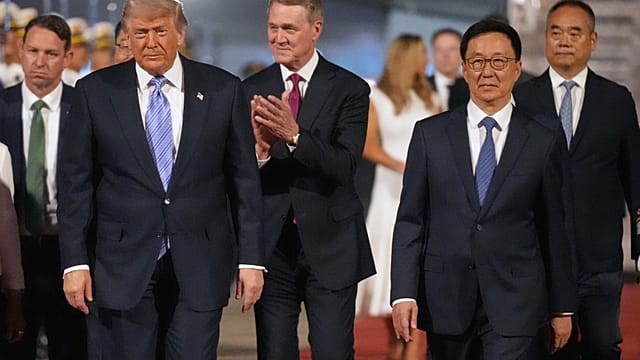
Beijing welcomed a high stakes diplomatic visit this week as Air Force One touched down, but the real focus for medical researchers lay in the quiet corridors of power where health collaboration could reshape global science.
While trade disputes and security concerns dominated public statements, behind closed doors, U.S. and Chinese officials explored pathways to revive long stalled joint initiatives in medicine, from vaccine development to shared genomic databases.
What Happened
U.S. and Chinese delegations convened in Beijing for high level discussions that included health cooperation as a key agenda item. The meetings followed months of reduced engagement in biomedical research, particularly in areas requiring cross border data sharing and regulatory alignment.
According to the U.S. Department of State, the talks emphasized the need for frameworks that balance national security with scientific progress, especially in fields like artificial intelligence and infectious disease surveillance.
Why Public Health Officials Are Concerned
Public health experts warn that stalled collaboration between the two nations, home to some of the world’s largest biomedical research ecosystems, could delay critical advances in pandemic preparedness and antimicrobial resistance.
Researchers at the World Health Organization have noted that real time data sharing during outbreaks has repeatedly proven essential for rapid response, yet geopolitical tensions have eroded trust in joint surveillance systems.
Symptoms or Risk Factors
While no immediate health crisis has emerged from the diplomatic impasse, the consequences of reduced collaboration are already visible in slower vaccine trials and delayed approvals for therapies targeting rare diseases.
In 2023, the U.S. Food and Drug Administration reported a 15% increase in review times for drugs with potential Chinese trial sites, citing data integrity concerns as a primary factor.
Who May Be Affected
The impact extends beyond researchers and policymakers. Patients with rare diseases, whose treatments often rely on global clinical trials, face longer waits for experimental therapies. Public health systems in low and middle income countries could also suffer if pandemic response tools remain fragmented.
Healthcare providers in both nations report growing frustration with regulatory hurdles that delay the adoption of AI driven diagnostic tools, which require large, diverse datasets for validation.
Government or WHO Response
The World Health Organization has called for renewed dialogue, emphasizing that scientific collaboration should not be held hostage to geopolitical disputes. In a statement, WHO Director General Tedros Adhanom Ghebreyesus urged both nations to prioritize health security over political differences.
The U.S. National Institutes of Health and China’s National Health Commission have both signaled willingness to explore pilot programs that could restore trust in data sharing, particularly for emerging pathogens.
Prevention and Safety Guidance
For collaboration to resume safely, experts recommend establishing clear protocols for data governance, including independent audits of genomic datasets and transparent reporting of clinical trial results.
Researchers also advocate for the creation of neutral platforms, such as those hosted by the WHO or academic consortia, where scientists from both nations can collaborate without direct government oversight.
What Readers Should Know
While the immediate focus of the Beijing talks remains diplomatic, the long term implications for global health could be profound. Breakthroughs in pandemic preparedness, precision medicine, and antimicrobial resistance depend on the ability of nations to work across borders.
Patients, clinicians, and policymakers should monitor whether these discussions lead to tangible agreements on data sharing and regulatory harmonization, as these will determine the pace of medical innovation in the coming decade.
Key Takeaways
- U.S. China health collaboration could accelerate pandemic preparedness through shared surveillance systems and joint vaccine development.
- Geopolitical tensions have delayed clinical trials and drug approvals, particularly for rare diseases and AI driven therapies.
- Independent data governance frameworks and neutral collaboration platforms may be necessary to rebuild trust.
- Patients in low and middle income countries could face prolonged delays in accessing life saving treatments if collaboration remains stalled.
Frequently Asked Questions
What specific health areas could benefit most from U.S. China collaboration?
Pandemic preparedness, genomic research for rare diseases, antimicrobial resistance monitoring, and AI driven precision medicine are among the top priorities where joint efforts could yield significant advances.
How have geopolitical tensions affected medical research collaboration between the U.S. and China?
Tensions have led to stricter export controls on critical technologies, delays in clinical trial approvals, and reduced data sharing, all of which slow the pace of medical innovation.
What steps could help restore trust in cross border health research?
Experts recommend establishing independent data governance protocols, transparent reporting mechanisms, and neutral collaboration platforms to ensure scientific integrity while addressing security concerns.
How might patients be affected by continued delays in U.S. China health collaboration?
Patients, particularly those with rare diseases or conditions requiring experimental therapies, may face longer wait times for treatments. Public health systems in vulnerable regions could also see delayed access to pandemic response tools.
Medical Review: MedSense Editorial Board








DISCUSSION (0)
POST A COMMENT