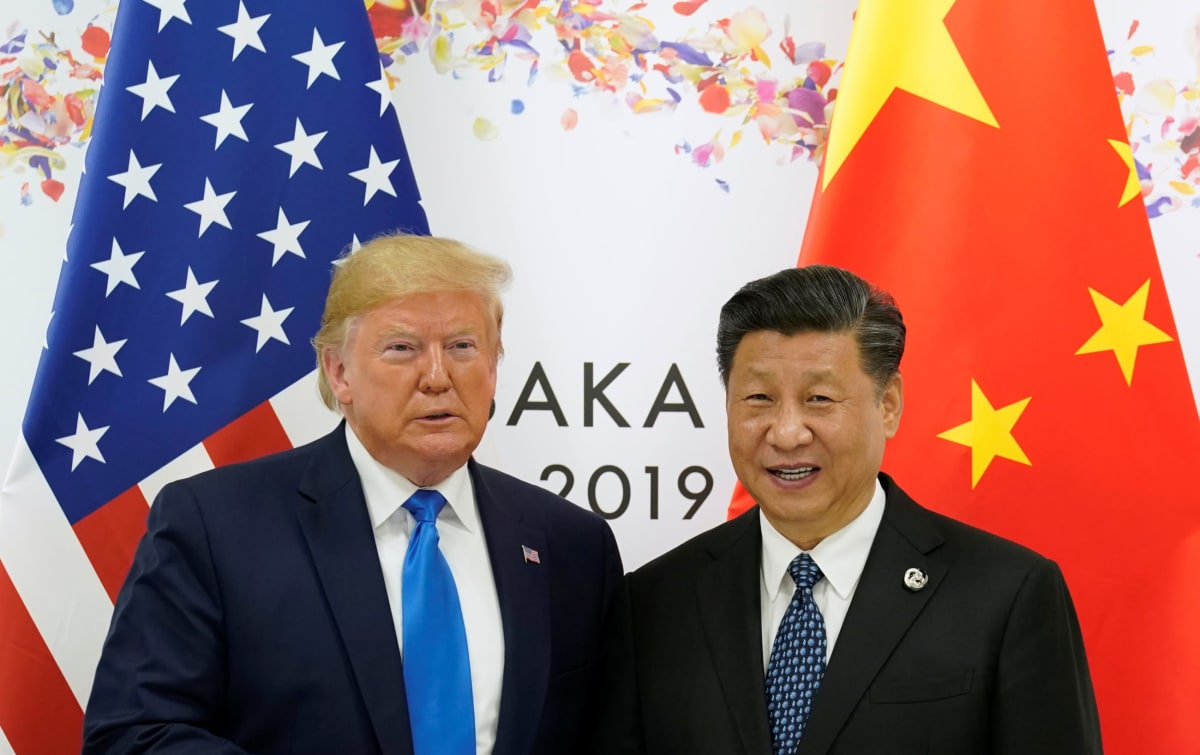
Diplomatic negotiations between the United States and China are quietly taking aim at one of the most pressing challenges of the 21st century: global health security. While trade disputes and regional tensions dominate international headlines, officials and health experts are warning that the outcomes of these talks could either fortify or fracture the world’s defenses against future pandemics.
Behind closed doors, discussions are expected to address critical vulnerabilities exposed by COVID 19, including fragile pharmaceutical supply chains, restricted scientific collaboration, and stalled progress on a global pandemic treaty. The stakes extend beyond national borders, with implications for medical innovation, equitable drug access, and the readiness of nations to detect and respond to emerging pathogens.
What Happened
The upcoming high level diplomatic engagements between Washington and Beijing follow years of strained relations that have spilled into the health sector. During the COVID 19 pandemic, both nations played pivotal roles in the global response, yet subsequent geopolitical friction led to restrictions on scientific exchanges, data sharing, and joint research initiatives.
Analysts note that these talks mark a rare opportunity to reset cooperation in areas where mutual dependence remains unavoidable. Supply chain disruptions during the pandemic highlighted the risks of over reliance on a single country for active pharmaceutical ingredients, medical devices, and personal protective equipment. Now, negotiators are under pressure to diversify production and reduce vulnerabilities that could cripple healthcare systems in future crises.
Why Public Health Officials Are Concerned
Public health leaders are closely monitoring three areas where diplomatic outcomes could either stabilize or destabilize global health security. First, the potential for joint surveillance systems to detect and track emerging pathogens hinges on trust and data transparency between the two nations. Second, restrictions on clinical trials and data sharing threaten to delay the development of new treatments and vaccines, particularly for diseases with high unmet medical needs. Third, misalignment on priorities could fragment global health funding, weakening initiatives like the WHO’s pandemic treaty and Gavi, the Vaccine Alliance.
According to the Council on Foreign Relations, the absence of coordinated action between the U.S. and China risks leaving the world in a weaker position to confront the next pandemic. Historically, health diplomacy has served as a bridge during periods of geopolitical strain, as seen during the U.S. Soviet collaboration to eradicate smallpox in the 1960s and 1970s. However, modern complexities, including cybersecurity concerns and disputes over intellectual property, complicate efforts to revive such partnerships.
Who May Be Affected
The consequences of these diplomatic talks will ripple across multiple sectors and populations. Patients in low and middle income countries may face delays in accessing affordable medications if patent disputes and generic drug manufacturing restrictions persist. Researchers in both nations could see their collaborations stifled, slowing progress in genomics, oncology, and infectious disease research. Healthcare systems worldwide, already strained by the COVID 19 pandemic, may struggle to secure critical supplies if supply chains remain concentrated in a single region.
Additionally, multinational pharmaceutical companies with operations in both countries could face regulatory uncertainty, affecting drug development timelines and market access. Public health agencies, including the WHO and regional health organizations, may find their efforts to coordinate global responses undermined by a lack of alignment between the world’s two largest economies.
Government or WHO Response
The World Health Organization has emphasized the need for international cooperation to address pandemic preparedness, calling for a unified approach to surveillance, research, and equitable access to medical countermeasures. In a statement, WHO Director General Tedros Adhanom Ghebreyesus highlighted the importance of U.S. China collaboration in achieving these goals, noting that "health security is indivisible."
Meanwhile, U.S. and Chinese officials have signaled willingness to explore frameworks for joint action, though concrete commitments remain uncertain. The U.S. has proposed expanding partnerships in biosecurity and clinical research, while China has emphasized the need for fair access to medical technologies and vaccines. The outcome of these discussions could determine whether the world enters a new era of health diplomacy or faces further fragmentation in global health governance.
Prevention and Safety Guidance
For healthcare systems and policymakers, the key takeaway is the need for contingency planning. Diversifying supply chains for critical medical products remains a priority, with many countries exploring onshoring or nearshoring production of active pharmaceutical ingredients and medical devices. Strengthening regional manufacturing hubs could reduce dependence on any single country and enhance resilience against future disruptions.
Public health agencies are also urging nations to invest in early warning systems and transparent data sharing mechanisms. The COVID 19 pandemic demonstrated the catastrophic consequences of delayed detection and response, underscoring the need for real time surveillance and coordinated action. Researchers emphasize that fostering trust and collaboration between nations is essential to building a robust global health security architecture.
What Readers Should Know
While the immediate focus of U.S. China talks may be on trade and security, their impact on global health cannot be overstated. The decisions made in these negotiations will shape the trajectory of medical research, drug development, and pandemic preparedness for decades to come. For patients, practitioners, and policymakers alike, the stakes are clear: cooperation could save lives, while division risks leaving the world dangerously unprepared for the next health crisis.
As negotiations progress, stakeholders should monitor key developments, including any commitments to revive joint research initiatives, expand access to medical technologies, or strengthen supply chain resilience. The outcome of these talks may well determine whether the world is better equipped to confront the next pandemic than it was in 2020.
Key Takeaways
- Diplomatic talks between the U.S. and China could redefine global health security by addressing supply chain vulnerabilities, scientific collaboration, and pandemic preparedness.
- Restrictions on clinical trials, data sharing, and intellectual property disputes threaten to delay medical innovation and delay access to life saving treatments.
- Diversifying pharmaceutical supply chains and investing in early warning systems are critical steps to enhance resilience against future health crises.
- The WHO and global health leaders emphasize the need for international cooperation to ensure equitable access to medical countermeasures and strengthen pandemic response systems.
Frequently Asked Questions
What are the primary health related issues on the agenda for U.S. China diplomatic talks?
The talks are expected to focus on diversifying pharmaceutical supply chains, reviving scientific collaborations, aligning on pandemic treaty negotiations, and addressing intellectual property disputes that affect drug access in low and middle income countries.
How could U.S. China tensions impact global pandemic preparedness?
Geopolitical tensions have already led to restrictions on data sharing, joint research, and clinical trials, which could delay the development of new treatments and vaccines. A lack of cooperation may also fragment global health funding and weaken initiatives like the WHO’s pandemic treaty.
What steps can countries take to reduce reliance on China for critical medical supplies?
Countries are exploring onshoring or nearshoring production of active pharmaceutical ingredients and medical devices, as well as strengthening regional manufacturing hubs. Investing in early warning systems and transparent data sharing mechanisms is also critical to enhancing resilience.
How has health diplomacy historically bridged geopolitical divides?
Historical examples, such as the U.S. Soviet collaboration to eradicate smallpox in the 1960s and 1970s, demonstrate how health initiatives can serve as a bridge during periods of geopolitical strain. Such partnerships have enabled joint surveillance, research, and equitable access to medical technologies.
What role does the WHO play in facilitating U.S. China health cooperation?
The WHO has emphasized the need for international cooperation to address pandemic preparedness, calling for a unified approach to surveillance, research, and equitable access to medical countermeasures. The organization has urged U.S. and Chinese officials to align their priorities to strengthen global health security.
Medical Review: MedSense Editorial Board








DISCUSSION (0)
POST A COMMENT