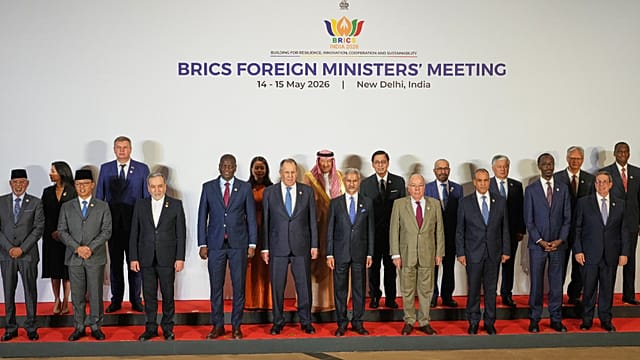
Foreign ministers from the BRICS bloc, Brazil, Russia, India, China, and South Africa, convened in India this week against a backdrop of rising geopolitical tensions, with Iran’s top diplomat urging collective action against what Tehran describes as unlawful aggression by the United States and Israel. While the meeting’s agenda centers on economic and diplomatic cooperation, the implications for global health security are increasingly urgent, particularly in regions where healthcare systems are already fragile due to prolonged conflict.
Public health experts warn that escalating geopolitical divisions risk undermining critical health initiatives, from vaccine distribution to humanitarian aid delivery, in areas already grappling with infectious disease outbreaks and chronic healthcare deficits.
What Happened
Diplomatic tensions dominated the BRICS foreign ministers’ meeting in India, with Iran’s foreign minister calling for a unified stance against what Iran alleges are unlawful military actions by the U.S. and Israel. The gathering, which included representatives from Brazil, Russia, India, China, and South Africa, took place as healthcare systems in the Middle East face mounting pressure from ongoing conflicts, sanctions, and restricted access to essential medical resources.
Why Public Health Officials Are Concerned
Health security experts highlight several immediate risks stemming from geopolitical instability:
- Collapse of medical supply chains: Sanctions and blockades disrupt the delivery of vaccines, medications, and critical medical equipment, leaving populations in conflict zones without access to life saving treatments.
- Exodus of healthcare workers: Violence and insecurity force medical professionals to flee, reducing the capacity of already strained healthcare systems to respond to emergencies.
- Barriers to humanitarian aid: Restrictions on movement and aid delivery complicate responses to outbreaks, malnutrition, and chronic diseases, particularly in areas controlled by non state actors.
- Mental health deterioration: Prolonged exposure to conflict and displacement contributes to rising rates of post traumatic stress disorder, depression, and anxiety, with long term societal consequences.
Symptoms or Risk Factors
Public health officials identify several indicators of deteriorating health security in conflict affected regions:
- Increased outbreaks of vaccine preventable diseases due to interrupted immunization campaigns.
- Rising malnutrition rates among children and vulnerable populations due to disrupted food aid.
- Gaps in maternal and child health services, including prenatal care and safe delivery services.
- Escalating mental health crises, with limited access to psychological support and counseling.
Who May Be Affected
The consequences of geopolitical instability on health security extend across multiple populations:
- Displaced communities: Millions of refugees and internally displaced persons face heightened risks of disease and malnutrition due to overcrowded living conditions and limited access to healthcare.
- Healthcare workers: Medical professionals operating in conflict zones risk injury, displacement, or burnout as they struggle to maintain essential services amid violence and resource shortages.
- Children and pregnant women: Interrupted maternal health services and childhood immunization programs increase the risk of preventable deaths and long term developmental issues.
- Elderly and chronically ill patients: Disruptions to medication supplies and routine care exacerbate conditions such as diabetes, hypertension, and HIV/AIDS.
Government or WHO Response
The World Health Organization (WHO) has repeatedly emphasized the need for diplomatic solutions to protect health systems in conflict zones. In a statement released last month, the WHO warned that geopolitical tensions are directly undermining global health security, calling for the protection of healthcare workers and the uninterrupted delivery of medical supplies. The organization has also highlighted the role of international sanctions in exacerbating health crises, urging member states to consider humanitarian exemptions in their enforcement.
Meanwhile, BRICS nations have historically emphasized non interference and multilateral cooperation in health diplomacy. However, the bloc’s ability to address health security challenges amid geopolitical divisions remains uncertain, particularly as member states navigate competing strategic interests.
Prevention and Safety Guidance
Public health experts recommend several measures to mitigate the impact of geopolitical instability on health security:
- Protect healthcare infrastructure: Parties to conflicts must adhere to international humanitarian law, including the Geneva Conventions, which mandate the protection of medical facilities and personnel.
- Expand humanitarian corridors: Governments and non state actors should facilitate safe and unimpeded access for humanitarian aid, including food, water, and medical supplies.
- Strengthen local health systems: Investments in resilient healthcare systems, including community health workers and mobile clinics, can help bridge gaps in service delivery during crises.
- Prioritize mental health support: Scaling up psychological services and community based mental health programs can address the growing burden of trauma in conflict affected populations.
What Readers Should Know
Health security is not an abstract concept, it is directly tied to geopolitical stability. The decisions made by BRICS nations and other global powers in the coming weeks will determine whether healthcare systems in conflict zones can withstand the pressures of ongoing tensions. For policymakers, the lesson is clear: health diplomacy must take precedence over political divisions to prevent avoidable suffering. For the public, awareness of these risks underscores the importance of supporting humanitarian organizations and advocating for policies that prioritize health security in fragile regions.
Key Takeaways
- Geopolitical tensions, including sanctions and military actions, directly disrupt healthcare systems in conflict zones, exacerbating public health crises.
- Disruptions to medical supply chains, healthcare worker shortages, and restricted humanitarian access are immediate consequences of instability.
- Children, pregnant women, displaced communities, and chronically ill patients are among the most vulnerable to health security failures.
- The WHO has called for humanitarian exemptions in sanctions and adherence to international law to protect healthcare infrastructure.
- Investments in resilient health systems and mental health support are critical to mitigating the impact of geopolitical instability.
Frequently Asked Questions
How do sanctions contribute to health crises in conflict zones?
Sanctions often restrict the flow of essential medical supplies, medications, and equipment, while also complicating financial transactions needed to purchase these resources. In some cases, sanctions have led to shortages of critical drugs, including those used to treat chronic diseases like HIV/AIDS and cancer.
What role do BRICS nations play in global health security?
BRICS nations have historically emphasized multilateral cooperation and non interference in health diplomacy. However, their ability to address health security challenges amid geopolitical divisions remains uncertain, particularly as member states navigate competing strategic interests.
How can humanitarian organizations navigate access restrictions in conflict zones?
Humanitarian organizations often rely on negotiated access agreements with parties to the conflict, including local authorities and non state actors. These agreements may include provisions for safe passage, protection of aid workers, and the establishment of humanitarian corridors to deliver supplies.
What are the long term consequences of disrupted healthcare in conflict zones?
Prolonged disruptions to healthcare can lead to increased mortality from preventable diseases, rising malnutrition rates, and a deterioration in mental health. Over time, these factors can contribute to broader societal instability, including increased displacement and economic decline.
How can the public support health security in conflict zones?
The public can support health security by advocating for policies that prioritize humanitarian exemptions in sanctions, donating to reputable humanitarian organizations, and raising awareness about the impact of geopolitical instability on health systems.
Medical Review: MedSense Editorial Board








DISCUSSION (0)
POST A COMMENT