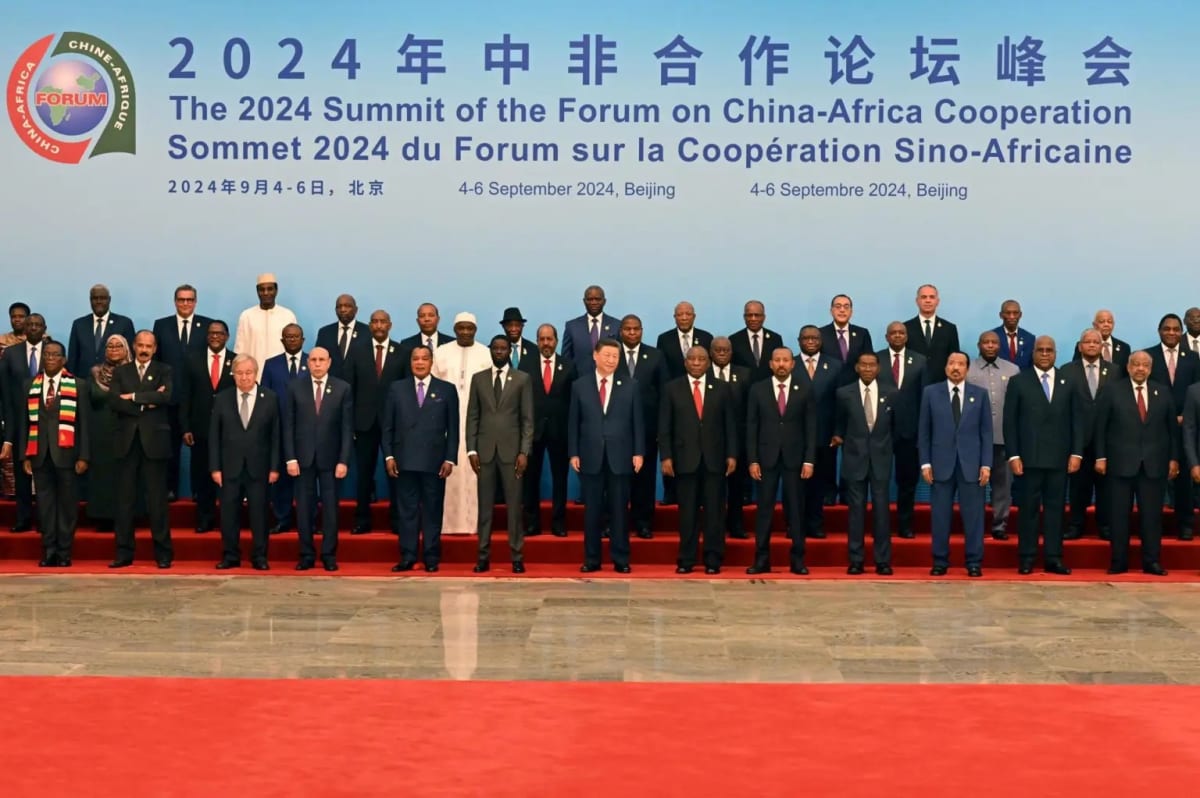
China has expanded tariff free access for African medical exports, a move that signals a recalibration of global health diplomacy and economic engagement on the continent. The policy, which covers pharmaceuticals, diagnostics, and protective equipment, arrives as African nations seek to strengthen local production and reduce reliance on external supply chains.
Analysts describe the initiative as both an opportunity and a test of Africa’s capacity to coordinate a unified response. While the gesture could lower costs and incentivize regional manufacturing, its long term impact hinges on overcoming structural barriers, including fragmented trade policies and infrastructure gaps.
What Happened
China announced the expansion of duty free access for a broader range of African exports, including medical supplies and pharmaceuticals, as part of its ongoing engagement with the continent. The policy builds on existing trade agreements and reflects a strategic shift toward integrating health security with economic partnerships.
According to China’s Ministry of Commerce, the initiative aims to support Africa’s post pandemic recovery by reducing barriers to trade in critical health goods. The move follows years of Chinese investment in African healthcare infrastructure, including hospitals, vaccine production facilities, and disease surveillance systems.
Why Public Health Officials Are Concerned
Public health experts warn that while the tariff exemption may ease financial burdens, it alone cannot resolve deeper systemic challenges. Africa’s ability to capitalize on this opportunity depends on addressing long standing obstacles in trade coordination, regulatory alignment, and supply chain logistics.
Researchers at the African Centre for Disease Control and Prevention (Africa CDC) have emphasized the need for harmonized standards across the continent’s 54 nations. Without a cohesive approach, individual countries may struggle to meet export requirements or compete in global markets.
Who May Be Affected
The policy has implications for multiple stakeholders:
- African manufacturers: Local producers of pharmaceuticals, diagnostics, and medical devices could benefit from reduced export costs, but only if they meet international quality and regulatory standards.
- Health systems: Public and private healthcare providers across Africa may see improved access to affordable medical supplies, particularly in regions with chronic shortages.
- Global health partners: Multilateral organizations, including the World Health Organization (WHO) and Gavi, the Vaccine Alliance, are monitoring the policy’s impact on Africa’s health security and supply chain resilience.
Government or WHO Response
The African Union (AU) has welcomed China’s initiative but underscored the importance of complementary policies to maximize its benefits. In a statement, AU Commission Chair Moussa Faki Mahamat highlighted the role of the African Continental Free Trade Area (AfCFTA) in standardizing trade rules and reducing non tariff barriers.
The WHO has called for investments in cold chain infrastructure and local manufacturing capacity to ensure that tariff exemptions translate into tangible health outcomes. Director General Tedros Adhanom Ghebreyesus noted that while trade policies can facilitate access, they must be paired with systemic improvements in healthcare delivery.
Prevention and Safety Guidance
For African nations to fully leverage this policy, experts recommend the following steps:
- Strengthen regional coordination: Align national trade policies under the AfCFTA framework to create a unified market for medical exports.
- Invest in infrastructure: Develop cold chain logistics and regulatory systems to support the export of temperature sensitive medical goods, such as vaccines and biologics.
- Diversify production: Expand local manufacturing of essential medicines and medical devices to reduce dependency on imports and enhance supply chain resilience.
What Readers Should Know
This policy represents a pivotal moment in Africa’s quest for health sovereignty, but its success is not guaranteed. While tariff exemptions can provide short term relief, sustainable progress will require sustained investment in infrastructure, regulatory harmonization, and local industry development.
For global health observers, the initiative underscores the growing intersection of trade and public health diplomacy. As major powers compete for influence in Africa’s health sector, the continent’s ability to negotiate equitable partnerships will shape the future of its healthcare systems.
Key Takeaways
- China’s tariff free medical export policy to Africa could reduce costs and incentivize local production, but its impact depends on regional coordination and infrastructure development.
- Africa’s fragmented trade policies and supply chain gaps remain critical barriers to maximizing the benefits of the initiative.
- The African Continental Free Trade Area (AfCFTA) offers a pathway to standardize medical trade rules, but political will and investment are essential.
- Public health experts emphasize that tariff exemptions alone cannot address systemic challenges in healthcare delivery and supply chain resilience.
Frequently Asked Questions
What medical products are covered under China’s tariff exemption for African exports?
The policy covers a range of medical goods, including pharmaceuticals, diagnostics, protective equipment, and other health related products. Specific categories are outlined in China’s trade agreements with African nations and regional blocs.
How will this policy impact Africa’s local pharmaceutical industry?
The policy could lower export costs for African manufacturers, making their products more competitive in global markets. However, local producers must meet international quality and regulatory standards to fully benefit from the exemption.
What role does the African Continental Free Trade Area (AfCFTA) play in this initiative?
The AfCFTA aims to standardize trade rules, reduce non tariff barriers, and create a unified market for African goods. It provides a framework for African nations to coordinate their response to China’s tariff exemption and maximize its benefits.
Are there concerns about Africa becoming overly dependent on China for medical supplies?
Critics argue that without diversified production and investment in local manufacturing, Africa could remain reliant on external markets for medical supplies. The policy’s long term impact will depend on Africa’s ability to build self sufficient health industries.
How are global health organizations responding to this policy?
The World Health Organization (WHO) and the African Union (AU) have welcomed the initiative but emphasize the need for complementary policies. They call for investments in infrastructure, regulatory alignment, and local manufacturing capacity to ensure sustainable health outcomes.
Medical Review: MedSense Editorial Board








DISCUSSION (0)
POST A COMMENT