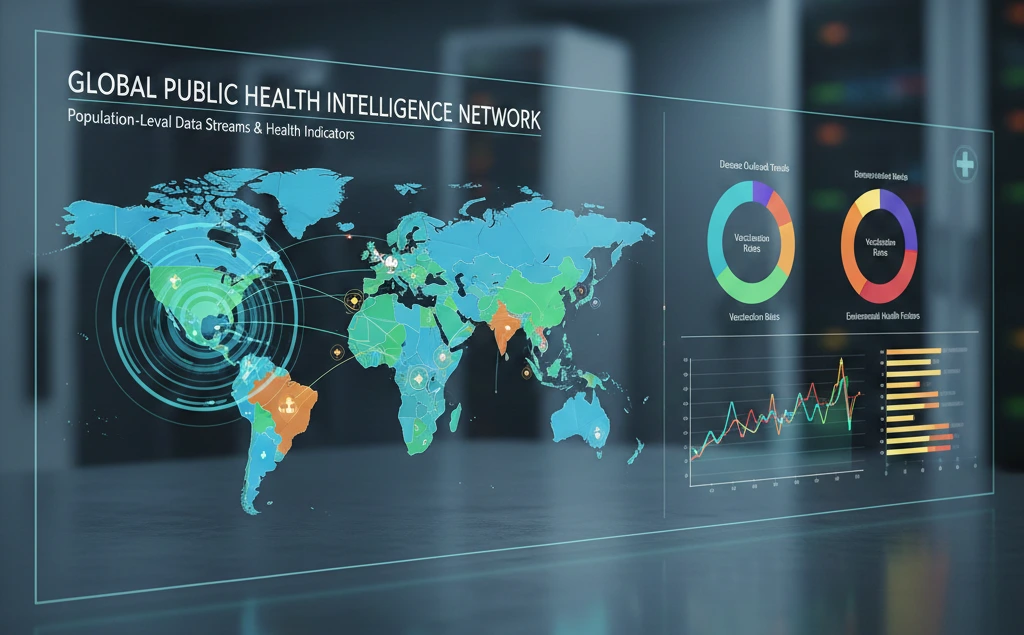
The World Health Organization’s Disease Outbreak News (DON) feed, a cornerstone of global disease surveillance, experienced a severe technical failure that severed a critical communication channel for tracking emerging health threats. The outage, confirmed by multiple independent sources, rendered the system’s structured data feeds, including RSS, XML, and JSON formats, inoperable, disrupting real time information sharing among epidemiologists, governments, and healthcare providers worldwide.
What Happened
The failure occurred during a routine software update, though officials have not ruled out the possibility of malicious interference. The DON feed, which serves as one of the primary pipelines for verified outbreak data, returned invalid outputs across all protocols, effectively cutting off a vital link in the global health surveillance network. The WHO’s technical team is conducting a full diagnostic audit, but sources indicate the restoration process could take weeks.
Why Public Health Officials Are Concerned
The incident has raised alarms among public health experts who warn that even brief disruptions in outbreak reporting can have cascading consequences. A 2023 study published in The Lancet Digital Health found that delays as short as 24 hours in reporting emerging diseases can increase case counts by up to 18% due to delayed countermeasures. The failure has also exposed critical vulnerabilities in the WHO’s aging infrastructure, which relies on outdated data protocols unchanged since the early 2000s.
Interoperability gaps between the WHO’s system and national health databases further compound the issue. Many countries, particularly low and middle income nations, depend almost exclusively on WHO feeds for critical updates, leaving them particularly vulnerable when these systems fail. In Liberia, for example, the Ministry of Health confirmed it had missed three consecutive DON updates, forcing officials to revert to manual reporting, a process last used during the 2014, 2016 Ebola epidemic.
Symptoms or Risk Factors
The technical failure highlights several systemic risk factors that threaten global health security:
- Legacy Infrastructure: The DON feed’s reliance on outdated protocols struggles to meet modern cybersecurity demands or handle current traffic volumes.
- Interoperability Gaps: Incompatible data formats and lack of encryption standards between the WHO’s system and national databases create critical weak points in the surveillance network.
- Resource Constraints: The WHO’s IT budget has remained stagnant for nearly a decade, forcing trade offs between maintenance and innovation.
- Cyber Threat Landscape: The WHO has reported a 500% increase in cyberattacks since 2020, with state sponsored hackers and ransomware groups increasingly targeting health agencies.
Who May Be Affected
The outage has far reaching implications for multiple stakeholders in the global health ecosystem:
- Epidemiologists: Researchers tracking cross border pathogen spread rely on real time data to model transmission dynamics and inform public health responses.
- Governments: National health agencies depend on WHO alerts to implement border control measures and coordinate international responses.
- Healthcare Providers: Hospitals and clinics use WHO updates to prepare for potential case surges and allocate resources efficiently.
- Low and Middle Income Nations: Countries with limited surveillance infrastructure are disproportionately impacted, as they often lack parallel systems to compensate for WHO outages.
Government or WHO Response
The WHO has acknowledged the severity of the situation and is working to restore functionality to the DON feed. However, officials have cautioned that a full diagnostic audit could take weeks, leaving the system vulnerable to further disruptions. The incident has prompted calls from global health experts for urgent investment in resilient, interoperable surveillance systems to prevent similar failures in the future.
In response to the outage, some countries have activated backup surveillance systems. For example, the U.S. Centers for Disease Control and Prevention (CDC) has redirected resources to its Epi X platform, while the UK Health Security Agency (UKHSA) has relied on its HPZone system to maintain situational awareness. However, these parallel systems are not universally available, particularly in resource limited settings.
Prevention and Safety Guidance
Public health experts emphasize the need for a multi pronged approach to address the vulnerabilities exposed by the WHO outage:
- Investment in Modern Infrastructure: Upgrading the WHO’s data systems to handle modern cybersecurity threats and traffic volumes is critical to ensuring reliable surveillance.
- Enhanced Interoperability: Developing standardized data formats and encryption protocols can improve compatibility between the WHO’s system and national health databases.
- Cybersecurity Measures: Strengthening defenses against cyber threats, including state sponsored attacks and ransomware, is essential to protecting global health security.
- Resource Allocation: Increasing the WHO’s IT budget can help address long standing resource constraints and support innovation in surveillance technology.
For countries heavily reliant on WHO feeds, experts recommend establishing parallel surveillance systems to mitigate the risk of future outages. Additionally, public health agencies should prioritize community engagement and misinformation management to maintain trust during periods of uncertainty.
What Readers Should Know
This incident serves as a stark reminder of the fragility of global health infrastructure. While the world has never been more connected, the systems designed to protect it remain vulnerable to technical failures and cyber threats. The WHO’s outage is not an isolated event but a symptom of chronic underinvestment in public health technology. As climate change accelerates zoonotic spillover events and antimicrobial resistance spreads, the stakes for real time surveillance have never been higher. The question now is whether this failure will spur meaningful action to strengthen global health security, or serve as a preview of future breakdowns.
For the general public, the outage underscores the importance of staying informed through multiple reliable sources and supporting investments in resilient health infrastructure. For policymakers and health leaders, it is a call to action to address the systemic vulnerabilities that threaten our collective ability to respond to emerging health threats.
Key Takeaways
- A critical failure in the WHO’s Disease Outbreak News feed disrupted global disease surveillance, exposing systemic weaknesses in pandemic preparedness and cybersecurity.
- The outage highlights the risks of relying on outdated infrastructure, interoperability gaps, and escalating cyber threats, particularly for low and middle income nations.
- Even brief delays in outbreak reporting can significantly amplify case counts and erode public trust, as seen in past epidemics like Ebola and COVID 19.
- Experts warn that without urgent investment in resilient, interoperable surveillance systems, similar failures could become more frequent, undermining global health security.
- Countries are urged to establish backup surveillance systems and prioritize community engagement to maintain trust during periods of uncertainty.
Frequently Asked Questions
What is the WHO’s Disease Outbreak News feed, and why is it important?
The WHO’s Disease Outbreak News (DON) feed is a critical communication channel for disseminating verified information on emerging health threats. It provides structured data in formats like RSS, XML, and JSON, which are used by epidemiologists, governments, healthcare providers, and researchers to track cross border pathogen spread and coordinate responses in real time.
How could a technical failure in the DON feed impact global health security?
A failure in the DON feed disrupts real time disease surveillance, which can delay countermeasures and increase case counts. Even brief disruptions, such as a 24 hour delay, have been shown to amplify case counts by up to 18%, according to a 2023 study in The Lancet Digital Health. This can lead to misinformation, panic, and inefficient responses, particularly in low and middle income nations that rely heavily on WHO feeds.
What are the root causes of the WHO’s surveillance system failure?
The failure appears to stem from a combination of outdated infrastructure, interoperability gaps with national health databases, resource constraints, and escalating cyber threats. The DON feed relies on protocols unchanged since the early 2000s, struggles with modern cybersecurity demands, and has faced a 500% increase in cyberattacks since 2020.
How are countries responding to the WHO outage?
Some countries, such as the U.S. and U.K., have activated backup surveillance systems like the CDC’s Epi X and the UKHSA’s HPZone to maintain situational awareness. However, these parallel systems are not universally available, particularly in resource limited settings. The WHO is working to restore functionality but has cautioned that a full diagnostic audit could take weeks.
What steps can be taken to prevent similar failures in the future?
Public health experts recommend investing in modern infrastructure, enhancing interoperability with standardized data formats and encryption protocols, strengthening cybersecurity defenses, and increasing the WHO’s IT budget. Countries heavily reliant on WHO feeds should also establish parallel surveillance systems to mitigate the risk of future outages.
Medical Review: MedSense Editorial Board








DISCUSSION (0)
POST A COMMENT