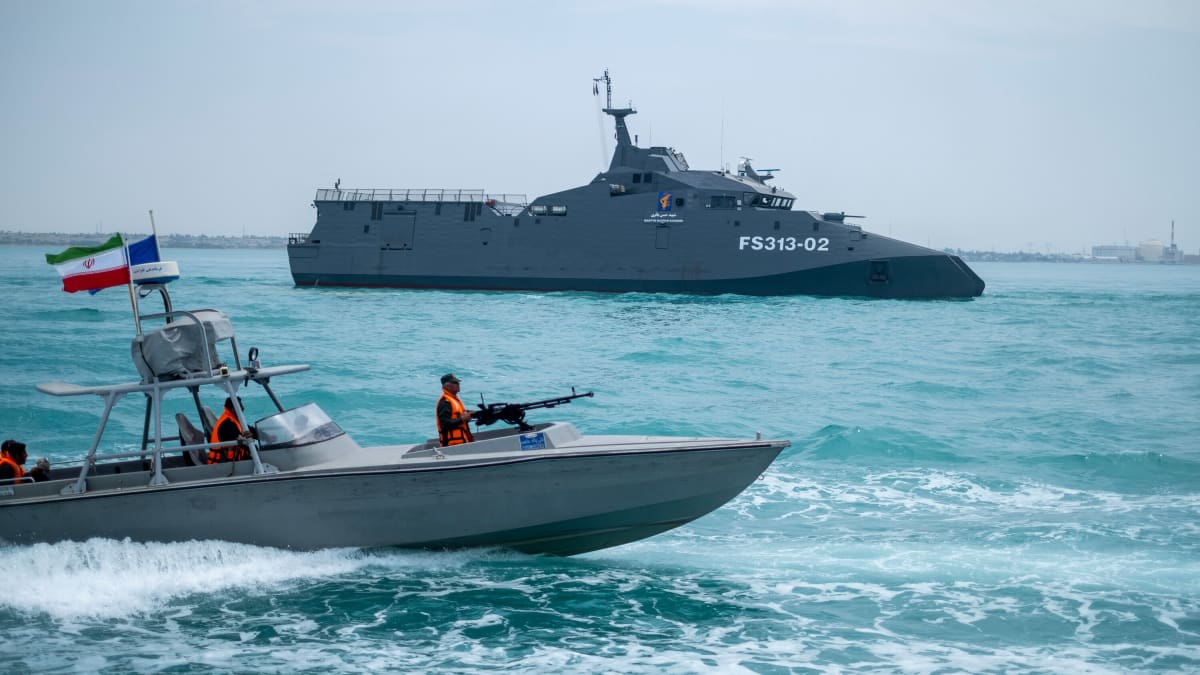
The Strait of Hormuz, a narrow maritime corridor connecting the Persian Gulf to the Gulf of Oman, has become a flashpoint with implications far beyond energy markets. Iran’s warning to European nations against deploying warships to the region underscores a growing threat to the global medical supply chains that rely on this critical chokepoint.
Nearly one third of the world’s seaborne oil and a significant volume of medical cargo, including pharmaceutical ingredients and temperature sensitive vaccines, transit through the Strait daily. Any disruption could trigger cascading effects on healthcare systems already grappling with inflation, supply chain fragility, and geopolitical instability.
What Happened
Iran’s foreign ministry spokesperson, Esmaeil Baghaei, issued a warning to European countries considering military deployments to the Strait of Hormuz, stating that such actions could escalate tensions and destabilize the region. The Strait is a vital route for approximately 21 million barrels of oil daily, as well as shipments of pharmaceutical ingredients and medical supplies.
Why Public Health Officials Are Concerned
Public health experts and logistics analysts highlight several risks associated with disruptions in the Strait:
- Delayed shipments of essential medicines, including generics and specialized drugs, particularly those sourced from Asia and the Middle East.
- Increased transportation costs due to rising fuel prices, which could strain healthcare budgets already burdened by inflation.
- Potential disruptions to cold chain logistics, jeopardizing the integrity of temperature sensitive vaccines and biologics.
Symptoms or Risk Factors
While the Strait of Hormuz itself is not a source of disease, its disruption could lead to:
- Critical shortages of medicines in countries dependent on imported pharmaceuticals.
- Production slowdowns or halts in pharmaceutical facilities reliant on imported active pharmaceutical ingredients (APIs).
- Compromised delivery of humanitarian aid in conflict zones and low income countries.
Who May Be Affected
The impact of a prolonged disruption in the Strait of Hormuz would be felt globally, but certain groups and regions are particularly vulnerable:
- Low and middle income countries: Nations with limited domestic pharmaceutical manufacturing capacity may face immediate shortages of essential medicines.
- Healthcare systems in Europe and beyond: Hospitals and clinics reliant on imported drugs or medical equipment could experience delays in restocking critical supplies.
- Aid organizations: Groups delivering life saving supplies in humanitarian crises may struggle to maintain operations due to logistical bottlenecks.
- Pharmaceutical manufacturers: Facilities dependent on APIs from regions affected by disruptions could face production delays.
Government or WHO Response
As of now, no specific emergency measures have been announced by governments or international health organizations in response to the Strait of Hormuz tensions. However, the World Health Organization (WHO) has previously emphasized the importance of diversifying supply chains to mitigate risks associated with geopolitical instability. The WHO’s Global Benchmarking Tool for health supply chain systems highlights the need for resilience in procurement, storage, and distribution networks.
Governments and healthcare stakeholders are urged to monitor the situation closely and consider contingency plans to ensure the uninterrupted flow of medical supplies.
Prevention and Safety Guidance
Healthcare systems and logistics providers can take proactive steps to reduce risks associated with disruptions in the Strait of Hormuz:
- Diversify supply routes: Explore alternative shipping lanes or modes of transportation, such as air freight for high priority medical cargo.
- Stockpile critical medicines: Maintain buffer stocks of essential drugs and vaccines to mitigate short term supply chain disruptions.
- Invest in local manufacturing: Strengthen domestic pharmaceutical production capabilities to reduce reliance on imported APIs and finished medicines.
- Enhance cold chain resilience: Implement redundant systems for temperature controlled logistics to protect vaccines and biologics during transit.
What Readers Should Know
While the immediate focus remains on geopolitical tensions, the long term stability of medical supply chains depends on proactive measures by governments, healthcare providers, and logistics companies. The Strait of Hormuz is not just an energy chokepoint; it is a lifeline for global health. Disruptions here could have far reaching consequences for patients, healthcare systems, and public health outcomes worldwide.
Readers should stay informed about developments in the region and advocate for policies that prioritize the resilience of medical supply chains. Healthcare professionals and institutions can also review their contingency plans to ensure preparedness for potential disruptions.
Key Takeaways
- The Strait of Hormuz is a critical maritime route for global medical supply chains, including pharmaceutical ingredients and temperature sensitive vaccines.
- Escalating geopolitical tensions in the region threaten to disrupt shipments of essential medicines, increasing risks of shortages in vulnerable countries.
- Healthcare systems and logistics providers should diversify supply routes, stockpile critical medicines, and invest in local manufacturing to mitigate risks.
- Public health officials and policymakers must prioritize the resilience of medical supply chains to safeguard against geopolitical instability.
Frequently Asked Questions
How much of the world's medical supplies transit through the Strait of Hormuz?
While exact figures vary, the Strait of Hormuz is a major transit route for pharmaceutical ingredients, including active pharmaceutical ingredients (APIs) sourced from Asia and the Middle East. It is also a critical chokepoint for oil shipments, which fuel the logistics networks underpinning global medical supply chains.
What types of medical supplies are most at risk of disruption?
Essential medicines, including generics and specialized drugs, are particularly vulnerable. Temperature sensitive vaccines and biologics, which rely on cold chain logistics, are also at risk. Additionally, pharmaceutical manufacturers dependent on imported APIs could face production slowdowns.
What steps can healthcare systems take to prepare for potential disruptions?
Healthcare systems can diversify supply routes, maintain buffer stocks of critical medicines, invest in local manufacturing capabilities, and enhance cold chain resilience. Contingency planning and collaboration with logistics providers are also essential.
Has the World Health Organization (WHO) issued any guidance on this issue?
The WHO has emphasized the importance of diversifying supply chains to mitigate risks associated with geopolitical instability. The organization’s Global Benchmarking Tool for health supply chain systems highlights the need for resilience in procurement, storage, and distribution networks.
Which countries or regions are most likely to be affected by disruptions in the Strait of Hormuz?
Low and middle income countries with limited domestic pharmaceutical manufacturing capacity are particularly vulnerable. Healthcare systems in Europe and beyond, as well as aid organizations operating in conflict zones, could also face significant challenges.
Medical Review: MedSense Editorial Board








DISCUSSION (0)
POST A COMMENT