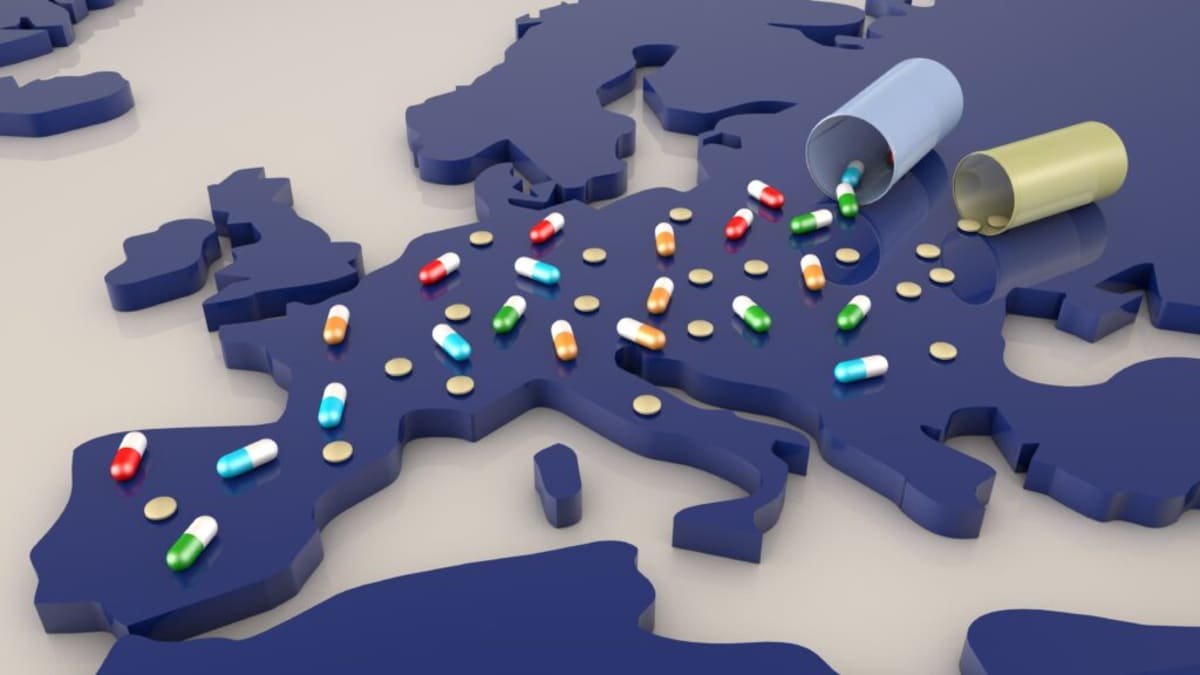
The European Union has reached a landmark provisional agreement to safeguard its medicine supply, marking a significant shift in how the bloc addresses pharmaceutical shortages and supply chain vulnerabilities. Finalized after months of negotiations, the deal aims to reduce reliance on external manufacturers, particularly in Asia, and strengthen domestic production capacity for critical drugs.
Officials describe the agreement as a response to repeated disruptions in recent years, including pandemic era bottlenecks and geopolitical tensions that exposed the fragility of global pharmaceutical supply chains. The deal follows a series of high profile shortages of antibiotics, cancer treatments, and other essential medicines across EU member states.
What Happened
The European Commission announced a provisional agreement on June 12, 2024, outlining a multi pronged strategy to enhance the resilience of the EU’s pharmaceutical supply chain. The deal, negotiated between EU institutions and member states, prioritizes domestic production, supply chain diversification, and real time monitoring of medicine availability.
Why Public Health Officials Are Concerned
Public health authorities and policymakers have cited several factors driving the urgency of this agreement. Over the past five years, the EU has faced recurring shortages of critical medicines, including antibiotics and treatments for chronic conditions. These disruptions have been attributed to several key vulnerabilities:
- Geopolitical Dependence: The EU currently sources a significant portion of its active pharmaceutical ingredients (APIs) and finished drugs from a limited number of countries, primarily in Asia. This over reliance has raised concerns about supply chain resilience in the face of trade disputes, pandemics, or natural disasters.
- Regulatory Fragmentation: Differences in national policies across EU member states have complicated coordinated responses to shortages, leading to inefficiencies in procurement and distribution. The lack of a unified approach has hindered the bloc’s ability to respond swiftly to crises.
- Economic Pressures: Pharmaceutical companies have historically favored manufacturing in regions with lower production costs, often outside the EU. The new agreement seeks to address this by offering financial incentives and regulatory support to encourage investment in domestic production.
According to the European Medicines Agency (EMA), the EU’s reliance on external suppliers for APIs has increased from 60% in 2010 to nearly 80% in 2023, underscoring the need for structural changes.
Who May Be Affected
The agreement’s provisions are designed to benefit a broad range of stakeholders, including:
- Patients: Individuals relying on essential medicines, particularly those with chronic conditions or rare diseases, stand to benefit from improved supply stability and reduced risk of shortages.
- Healthcare Providers: Hospitals and clinics across the EU may experience fewer disruptions in accessing critical drugs, enabling more consistent patient care.
- Pharmaceutical Companies: Manufacturers operating within the EU may gain access to incentives such as grants, tax breaks, and streamlined regulatory processes to expand production capacity.
- Governments: Member states will collaborate on stockpiling strategies and real time monitoring systems, reducing the burden on individual countries to manage shortages independently.
Government or WHO Response
The European Commission has framed the deal as a cornerstone of its broader pharmaceutical strategy, which includes the European Commission’s Critical Medicines List. This list identifies medicines deemed essential for public health and prioritizes their domestic production and stockpiling.
Dr. Hans Kluge, WHO Regional Director for Europe, welcomed the agreement, stating, "This deal represents a critical step toward ensuring equitable access to medicines across the EU. However, its success will depend on sustained political commitment and adequate funding to translate policy into practice."
The EMA and national regulatory authorities will play a key role in implementing the agreement, particularly in monitoring supply chains and harmonizing regulatory processes. The European Parliament and Council are expected to formally adopt the agreement in the coming months.
Prevention and Safety Guidance
The agreement introduces several measures to prevent future shortages and enhance supply chain resilience:
- Domestic Production Expansion: The EU will prioritize the expansion of manufacturing capacity for medicines listed on the Critical Medicines List, including antibiotics, vaccines, and treatments for chronic diseases. Financial incentives, such as grants and tax reductions, will be offered to companies that invest in local production.
- Supply Chain Diversification: To reduce dependency on single source suppliers, the agreement encourages the diversification of API and drug manufacturing across multiple EU countries and trusted international partners. This includes exploring partnerships with countries in Europe, North America, and Latin America.
- Strategic Stockpiling: Member states will collaborate to establish and maintain strategic reserves of critical medicines. These reserves will be deployed during shortages or emergencies to ensure continuity of supply.
- Real Time Monitoring: A new EU wide monitoring system will track medicine supply chains, enabling early detection of potential shortages and proactive interventions. The system will provide data on stock levels, production capacities, and distribution bottlenecks.
- Regulatory Harmonization: The agreement seeks to streamline regulatory processes, reducing bureaucratic hurdles for companies looking to scale up production or introduce new manufacturing sites. This includes harmonizing standards for quality control, inspections, and approvals across member states.
What Readers Should Know
For patients and healthcare providers, the agreement signals a potential shift toward greater stability in accessing essential medicines. However, the deal’s long term impact will depend on several factors:
- Implementation Challenges: Expanding domestic production capacity will require significant investment and time. Pharmaceutical companies may face hurdles in scaling up operations, particularly in regions with higher production costs.
- Cross Border Cooperation: The success of the agreement hinges on collaboration between member states, industry, and regulators. Historically, the EU has struggled with fragmented healthcare policies, and overcoming these challenges will be critical.
- Economic Realities: While the agreement aims to incentivize domestic production, the EU must balance these efforts with the economic realities of pharmaceutical manufacturing. Cost efficiencies often favor non EU producers, and the bloc will need to address this disparity to make domestic production viable.
- Patient Access: The agreement’s ultimate goal is to improve access to medicines for all EU citizens. However, vulnerable populations, such as those in rural or economically disadvantaged regions, may face barriers to accessing these medicines if distribution systems are not adequately supported.
Key Takeaways
- The EU has finalized a provisional agreement to strengthen its pharmaceutical supply chains and reduce reliance on external manufacturers.
- The deal prioritizes domestic production, supply chain diversification, and real time monitoring of medicine availability.
- Public health officials cite geopolitical dependence, regulatory fragmentation, and economic pressures as key drivers of the agreement.
- Patients, healthcare providers, and pharmaceutical companies are among the stakeholders expected to benefit from the deal.
- The agreement’s success will depend on sustained political commitment, adequate funding, and cross border cooperation.
Frequently Asked Questions
What medicines are included in the EU's Critical Medicines List?
The EU's Critical Medicines List includes antibiotics, vaccines, and treatments for chronic diseases such as cancer, diabetes, and cardiovascular conditions. The list is regularly updated by the European Commission based on public health needs and supply chain vulnerabilities.
How will the EU monitor medicine supply chains in real time?
The EU will implement a new real time monitoring system that tracks stock levels, production capacities, and distribution bottlenecks across member states. This system will enable early detection of potential shortages and allow for proactive interventions to prevent disruptions.
What financial incentives are available for pharmaceutical companies to expand domestic production?
The agreement offers financial incentives such as grants, tax breaks, and streamlined regulatory processes to encourage pharmaceutical companies to invest in domestic production. These incentives are designed to offset the higher costs associated with manufacturing within the EU.
How will the EU address the higher production costs of domestic manufacturing?
The EU plans to address higher production costs through a combination of financial incentives, regulatory support, and partnerships with trusted international suppliers. The goal is to make domestic production economically viable while reducing reliance on external manufacturers.
What role will the European Medicines Agency (EMA) play in implementing the agreement?
The EMA will play a key role in monitoring supply chains, harmonizing regulatory processes, and ensuring the quality and safety of medicines produced within the EU. The agency will work closely with national regulatory authorities to implement the agreement's provisions.
Medical Review: MedSense Editorial Board








DISCUSSION (0)
POST A COMMENT