Recent escalations in hostilities between Israeli forces and militant groups in Lebanon have triggered a sharp rise in casualties, with public health officials sounding alarms over the immediate and long-term consequences for civilian populations.
Why This Is Escalating
On Saturday, Israeli drone strikes targeted vehicles south of Beirut, killing four individuals. Concurrently, a series of airstrikes in southern Lebanon claimed at least 13 lives, including a man and his 12-year-old daughter, according to reports from state media and Lebanon’s Health Ministry. The attacks mark a significant intensification of violence, raising fears of a wider conflict with devastating humanitarian implications.
Understanding the Human Toll
- Civilian Casualties: The deaths of non-combatants, particularly children, underscore the indiscriminate nature of modern warfare and its disproportionate impact on vulnerable populations.
- Healthcare Strain: Hospitals and medical facilities in conflict zones are often overwhelmed by the influx of injured patients, compounded by shortages of medical supplies, personnel, and infrastructure damage.
- Psychological Trauma: Prolonged exposure to violence leads to severe mental health crises, including post-traumatic stress disorder (PTSD), anxiety, and depression, particularly among children and survivors.
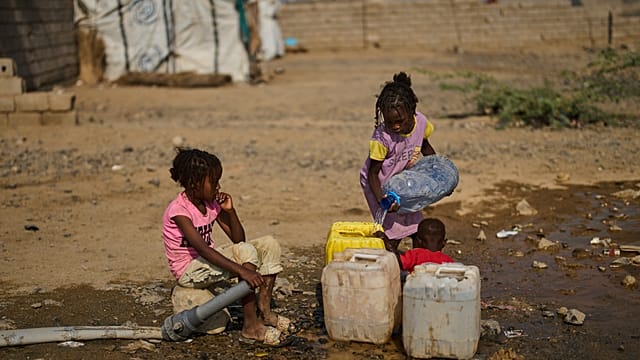
- Displacement and Disease: Mass displacement of civilians increases the risk of infectious disease outbreaks due to overcrowded shelters, poor sanitation, and limited access to clean water.
Public Health Implications
The World Health Organization (WHO) and other global health agencies have repeatedly warned that conflict zones create ideal conditions for public health emergencies. Key concerns include:
- Disruption of vaccination campaigns, leading to resurgences of preventable diseases like measles and polio.
- Collapse of healthcare systems, leaving chronic conditions like diabetes and hypertension untreated.
- Increased maternal and infant mortality due to lack of access to prenatal and emergency care.
- Rise in malnutrition, particularly among children, as food supply chains are severed.
MedSense Insight
The intersection of armed conflict and public health is a critical yet often overlooked dimension of modern warfare. While immediate casualties dominate headlines, the silent crises—such as the breakdown of healthcare systems, psychological trauma, and long-term disability—pose equally grave threats. Humanitarian organizations emphasize the need for ceasefires to allow medical aid to reach affected populations, but geopolitical complexities frequently hinder such efforts. The situation in Lebanon serves as a stark reminder of the urgent need for conflict resolution mechanisms that prioritize civilian protection and health security.
Key Takeaway
- The recent airstrikes in Lebanon have resulted in at least 17 deaths, including civilians, highlighting the severe humanitarian impact of escalating conflicts.
- Beyond immediate casualties, warfare exacerbates public health crises, including disease outbreaks, mental health trauma, and the collapse of healthcare infrastructure.
- Global health agencies stress the importance of protecting medical facilities and ensuring access to aid, though political and security challenges often impede these efforts.
- Long-term solutions require not only ceasefires but also sustained international support for rebuilding healthcare systems and addressing the psychological scars of war.
Editorial Note: This report was prepared by MedSense News using verified public reporting, official statements, and editorial analysis. Initial reporting credit: africanews.com.














DISCUSSION (0)
POST A COMMENT