
Nigeria is grappling with a worsening Lassa fever outbreak, with confirmed cases climbing across multiple states just as the country gears up for the 2027 general elections. The Nigeria Centre for Disease Control and Prevention (NCDC) has logged a sharp increase in infections, raising alarms about the nation’s ability to contain the viral hemorrhagic illness amid competing political demands.
Public health experts warn that the surge, driven by delayed case reporting, environmental conditions favoring rodent infestations, and strained healthcare resources, could overwhelm local health systems if immediate action is not taken. The outbreak has already claimed lives, with the NCDC reporting a case fatality rate of 15% among hospitalized patients.
What Happened
The current Lassa fever outbreak has intensified in Nigeria’s southern and northern regions, with Edo, Ondo, and Bauchi states identified as the hardest hit areas. The NCDC has recorded cases in 15 additional states, signaling a widespread public health threat. Health authorities attribute the rise to a combination of factors, including late diagnosis, poor sanitation in urban and rural communities, and inadequate infection control in healthcare facilities.
Why Public Health Officials Are Concerned
Public health leaders are sounding the alarm over several critical gaps in Nigeria’s response. First, delayed reporting of cases allows the virus to spread unchecked, particularly in households and healthcare settings. Second, the diversion of public health resources toward election preparations risks weakening disease surveillance and outbreak response efforts. Third, environmental conditions, such as poor waste management and inadequate rodent control, create ideal conditions for the Mastomys rat, the primary carrier of the Lassa virus.
Dr. Ifedayo Adetifa, Director General of the NCDC, emphasized the urgency of the situation. "The convergence of political activities and a public health emergency demands a coordinated, sustained response," he stated. "Without addressing the structural issues driving these outbreaks, we will continue to see cycles of recurrence."
Symptoms or Risk Factors
Lassa fever presents with symptoms that often mimic other febrile illnesses, complicating early diagnosis. Common signs include fever, general weakness, headache, sore throat, muscle pain, chest pain, nausea, vomiting, and diarrhea. In severe cases, patients may experience facial swelling, bleeding from the mouth or nose, and shock. The illness has an incubation period of 1 to 3 weeks, meaning symptoms may not appear immediately after exposure.
Transmission occurs primarily through contact with contaminated food or household items, but human to human spread is also possible, particularly in settings with inadequate infection prevention measures. Healthcare workers are at heightened risk due to close patient contact.
Who May Be Affected
The outbreak poses the greatest risk to individuals living in or traveling to high risk states, including Edo, Ondo, and Bauchi. Rural and urban communities with poor sanitation and limited access to healthcare are particularly vulnerable. Healthcare workers, especially those in under resourced facilities, face elevated exposure risks. Pregnant women and individuals with weakened immune systems may also experience more severe disease outcomes.
Government or WHO Response
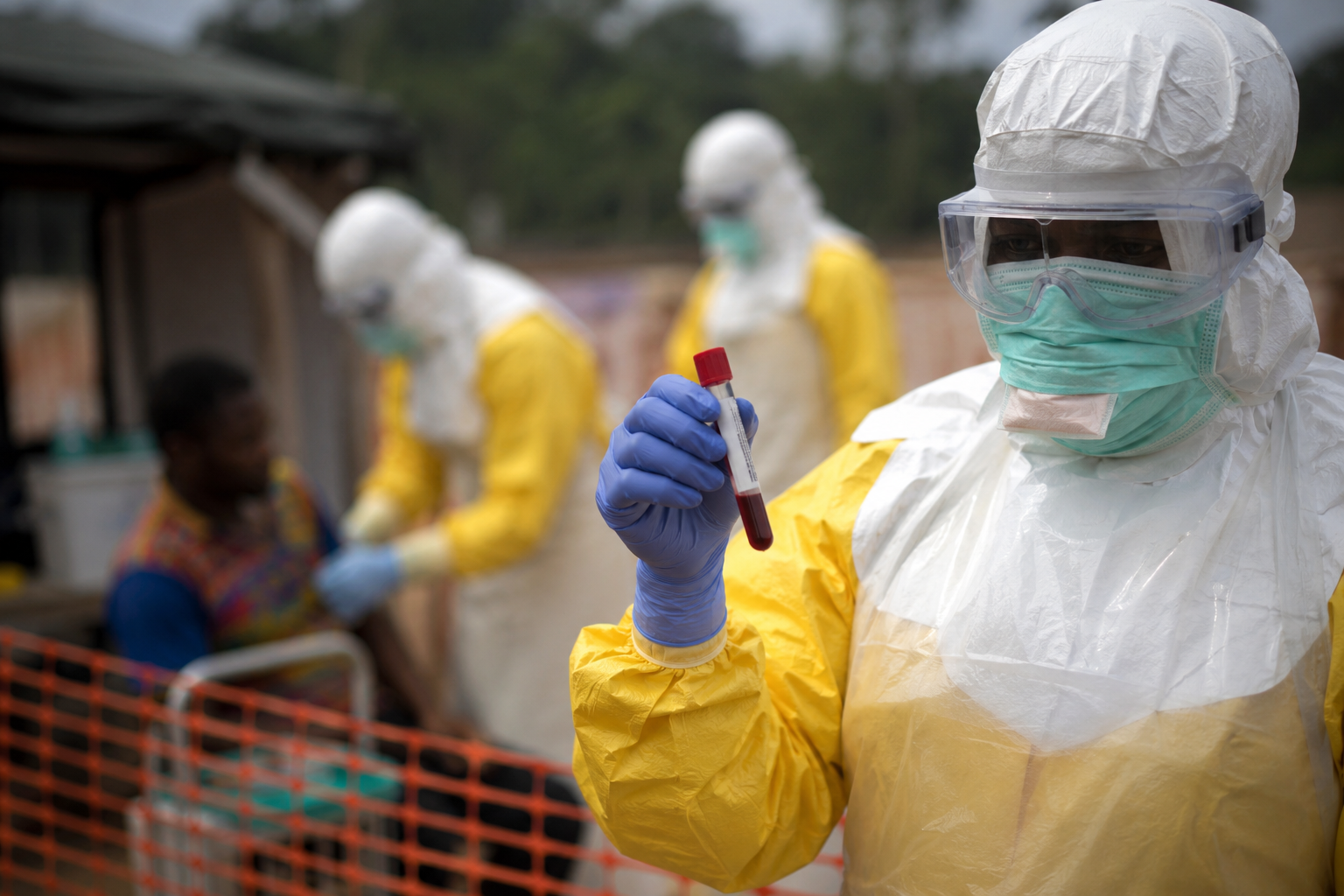
The NCDC has activated its Emergency Operations Centre (EOC) to coordinate a multi pronged response. Key measures include enhanced surveillance, contact tracing, and the distribution of ribavirin, the antiviral treatment for Lassa fever. Public health campaigns are underway to educate communities on rodent control and hygiene practices, while healthcare workers are receiving training on infection prevention and control.
The World Health Organization (WHO) has provided technical support, including guidance on clinical management and laboratory diagnostics. However, health officials stress that these efforts must be sustained beyond the immediate crisis to prevent future outbreaks.
Prevention and Safety Guidance
To reduce the risk of infection, health authorities recommend several measures. Households should store food in rodent proof containers, maintain clean environments, and eliminate potential rodent nesting sites. Regular handwashing with soap and water is critical, particularly after handling food or cleaning. Individuals should avoid contact with rats and their excreta, and healthcare workers must adhere to strict infection control protocols.
The NCDC advises that anyone experiencing symptoms consistent with Lassa fever seek immediate medical attention. Early treatment with ribavirin can significantly improve outcomes, but delays in diagnosis worsen the prognosis.
What Readers Should Know
While Nigeria’s political landscape dominates headlines, the Lassa fever outbreak remains a critical public health challenge. The situation underscores the need for long term investments in healthcare infrastructure, disease surveillance, and community education. Without sustained action, the country risks repeated cycles of outbreaks that strain its health system and endanger lives.
Residents in high risk areas should prioritize rodent control and hygiene, while healthcare workers must remain vigilant in infection prevention. Public health must remain a priority, regardless of political distractions, to safeguard Nigeria’s population from preventable diseases.
Key Takeaways
- Lassa fever cases are surging in Nigeria, with Edo, Ondo, and Bauchi states reporting the highest numbers.
- Delayed case reporting, environmental factors, and resource diversion are exacerbating the outbreak.
- The NCDC has activated its Emergency Operations Centre, but experts emphasize the need for long term solutions to prevent recurrent outbreaks.
- Public health must remain a priority alongside political developments to protect communities from preventable diseases.
Frequently Asked Questions
How is Lassa fever transmitted to humans?
Lassa fever is primarily transmitted through contact with food or household items contaminated by the urine or feces of infected Mastomys rats. Human to human transmission can also occur, particularly in healthcare settings with inadequate infection prevention and control practices.
What are the early symptoms of Lassa fever?
Early symptoms include fever, general weakness, headache, sore throat, muscle pain, chest pain, nausea, vomiting, and diarrhea. Severe cases may involve facial swelling, bleeding, and shock.
Which states in Nigeria are most affected by the current Lassa fever outbreak?
Edo, Ondo, and Bauchi states have been identified as the epicenters of the current outbreak, with cases reported in 15 additional states.
What treatments are available for Lassa fever?
Ribavirin, an antiviral medication, is used to treat Lassa fever. Early diagnosis and treatment are critical to improving patient outcomes.
How can individuals reduce their risk of contracting Lassa fever?
Individuals should store food in rodent proof containers, maintain clean environments, eliminate rodent nesting sites, and practice regular handwashing. Avoiding contact with rats and their excreta is also essential.
Medical Review: MedSense Editorial Board








DISCUSSION (0)
POST A COMMENT