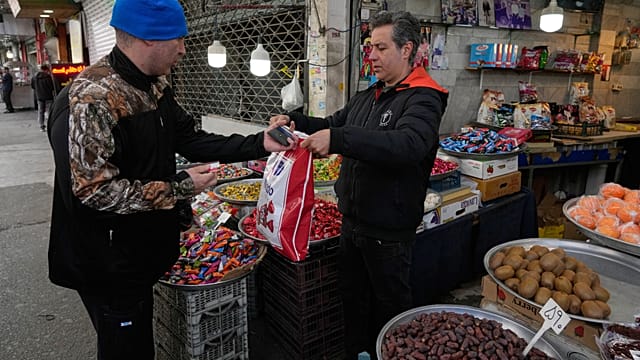
Iran’s healthcare system is buckling under the combined pressures of economic collapse, geopolitical tensions, and digital blackouts, leaving hospitals scrambling to maintain basic services and patients without access to life saving treatments.
Fuel shortages, soaring costs of medical supplies, and a monthslong internet shutdown have crippled the country’s ability to deliver care, while a mass exodus of healthcare workers has left hospitals understaffed and overwhelmed.
What Happened
The Strait of Hormuz, a critical artery for global oil shipments, has become a flashpoint in regional tensions, with recent military strikes disrupting trade routes and triggering fuel shortages. These disruptions have cascaded into Iran’s healthcare system, where over 80% of pharmaceuticals are imported from Europe and Asia. Hospitals now report critical shortages of essential medications, including treatments for diabetes, cardiovascular diseases, and cancer.
Simultaneously, the government’s decision to impose a prolonged internet blackout has severed digital communication, halting telemedicine services, blocking access to online medical databases, and disrupting international collaborations. The economic downturn has further exacerbated the crisis, with businesses closing, jobs vanishing, and healthcare workers fleeing the country in search of stability.
Why Public Health Officials Are Concerned
Public health experts warn that the collapse of Iran’s healthcare system is not an isolated economic issue but a humanitarian crisis with regional implications. The World Health Organization has highlighted the risk of preventable complications, including untreated chronic illnesses, hospital acquired infections, and maternal health emergencies, as hospitals operate with reduced staff and limited resources.
Local health officials report that the combination of medication shortages and digital isolation has created a perfect storm, where patients with chronic conditions are left without treatment, and healthcare providers struggle to coordinate care. The exodus of skilled medical professionals has further strained an already fragile system, leaving rural and underserved areas particularly vulnerable.
Symptoms or Risk Factors
The immediate consequences of this crisis are visible in hospitals and pharmacies across Iran:
- Delays or complete unavailability of imported medications, including insulin, chemotherapy drugs, and antibiotics.
- Reduced staffing levels in public hospitals, with many facilities operating at 50% or lower capacity due to worker shortages.
- Increased reliance on cash transactions for medical supplies, as banking restrictions complicate international payments.
- Rising rates of untreated chronic conditions, leading to complications such as diabetic ketoacidosis, heart failure, and stroke.
- Disruptions in vaccination programs, raising concerns about outbreaks of preventable diseases such as measles and polio.
Who May Be Affected
The impact of this crisis extends across Iran’s population, with vulnerable groups bearing the brunt of the collapse:
- Patients with chronic illnesses: Those dependent on imported medications for conditions such as diabetes, hypertension, and cancer are at high risk of treatment interruptions.
- Low income families: Limited access to affordable healthcare and medications disproportionately affects poorer households, forcing many to forgo treatment or seek unsafe alternatives.
- Rural communities: Remote areas, already underserved by healthcare infrastructure, face the greatest challenges in accessing care due to staff shortages and supply chain breakdowns.
- Healthcare workers: The brain drain has left hospitals in urban centers struggling to maintain basic services, while rural clinics operate with skeletal staff.
- Pregnant women and children: Disruptions in maternal health services and vaccination programs raise concerns about increased maternal mortality and childhood disease outbreaks.
Government or WHO Response
The Iranian government has acknowledged the crisis but has provided limited concrete solutions. In response to medication shortages, authorities have urged local manufacturers to ramp up production of generic drugs, though supply chain disruptions and raw material shortages continue to hinder progress. The government has also pledged to restore internet access in phases, though the timeline remains uncertain.
The World Health Organization has called for urgent international support to address the healthcare emergency, emphasizing the need for diversified supply chains and humanitarian aid. However, sanctions and geopolitical tensions have complicated efforts to deliver assistance, leaving many patients in limbo.
Prevention and Safety Guidance
For patients and healthcare providers navigating this crisis, the following steps may help mitigate risks:
- For patients: Prioritize refilling prescriptions before shortages worsen, explore generic alternatives where available, and seek care at facilities with stable supply chains. Patients with chronic conditions should maintain close contact with their healthcare providers to monitor treatment continuity.
- For healthcare providers: Coordinate with local health authorities to identify alternative supply sources and prioritize critical medications. Telemedicine, where possible, can help bridge gaps in access, though digital blackouts remain a barrier.
- For international actors: Humanitarian organizations and governments should explore diplomatic channels to facilitate the delivery of medical supplies and support local manufacturing efforts. Restoring internet access could also help restore critical digital health services.
What Readers Should Know
Iran’s healthcare crisis is a stark reminder of how geopolitical instability and economic collapse can destabilize even the most robust health systems. The situation underscores the fragility of global supply chains and the urgent need for diversified sourcing strategies in healthcare. For patients and providers alike, the crisis highlights the importance of contingency planning, including stockpiling essential medications and exploring alternative care models.
While the immediate focus must remain on addressing the humanitarian needs of Iran’s population, the long term solution requires diplomatic efforts to resolve geopolitical tensions and economic reforms to stabilize the healthcare system. Until then, patients will continue to bear the brunt of a crisis that extends far beyond Iran’s borders.
Key Takeaways
- Iran’s healthcare system is collapsing due to geopolitical tensions, economic freefall, and digital blackouts, leaving patients without critical medications.
- Over 80% of Iran’s pharmaceuticals are imported, and disruptions in trade routes and banking have triggered severe shortages.
- The exodus of healthcare workers has left hospitals understaffed, while internet shutdowns have crippled telemedicine and digital health services.
- Vulnerable groups, including patients with chronic illnesses and rural communities, are disproportionately affected by the crisis.
- International support and diplomatic efforts are urgently needed to stabilize Iran’s healthcare system and prevent further deterioration.
Frequently Asked Questions
How are medication shortages affecting patients in Iran?
Patients with chronic conditions such as diabetes, hypertension, and cancer are experiencing delays or complete unavailability of essential medications, including insulin, chemotherapy drugs, and antibiotics. Many are forced to ration treatments or seek unsafe alternatives.
What role has the internet blackout played in worsening the healthcare crisis?
The monthslong internet shutdown has severed access to telemedicine services, online medical databases, and international collaborations, disrupting care coordination and hindering advancements in treatment protocols.
Are there any efforts to address the crisis locally or internationally?
The Iranian government has urged local manufacturers to increase production of generic drugs, though supply chain disruptions persist. The World Health Organization has called for international support, but sanctions and geopolitical tensions have complicated aid delivery.
Who is most at risk in this healthcare crisis?
Patients with chronic illnesses, low income families, rural communities, pregnant women, and children are among the most vulnerable. The exodus of healthcare workers has also left hospitals understaffed, exacerbating risks for all patients.
What can patients and healthcare providers do to mitigate risks?
Patients should prioritize refilling prescriptions, explore generic alternatives, and maintain close contact with healthcare providers. Providers should coordinate with local authorities to identify alternative supply sources and prioritize critical medications.
Medical Review: MedSense Editorial Board








DISCUSSION (0)
POST A COMMENT