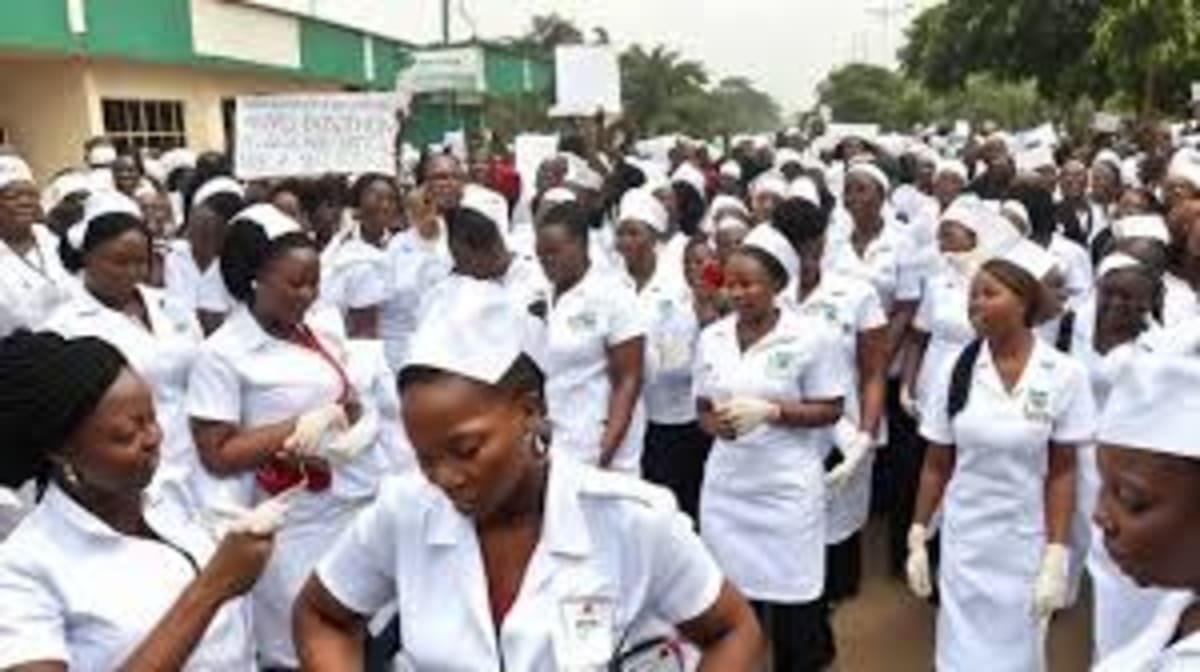
Nigeria’s escalating debt crisis is deepening a public health emergency, with hospitals facing critical shortages of essential medicines, medical equipment, and staff. The economic strain has intensified under the current administration, prompting warnings from health professionals about the potential collapse of a system already struggling with chronic underfunding and infrastructure gaps.
Public health advocates and medical associations are sounding the alarm, citing a direct link between the country’s debt burden and the deterioration of healthcare services. The situation is particularly dire in rural areas, where access to care is limited and healthcare workers are increasingly leaving for better opportunities abroad.
What Happened
Nigeria’s debt servicing obligations now consume a significant portion of national revenue, leaving little for critical sectors like health. The Africa Democratic Congress (ADC) recently described the nation’s economy as a ‘Ponzi scheme,’ sustained by unsustainable borrowing practices under President Bola Tinubu’s administration. This economic strain has led to severe cuts in healthcare budgets, exacerbating existing vulnerabilities in disease prevention and treatment programs.
Currency devaluation and inflation have further compounded the crisis, driving up the cost of imported drugs and medical equipment. Hospitals across the country report chronic shortages of essential medications, including antibiotics and vaccines, making them unaffordable for many Nigerians. The situation is worsened by a growing exodus of healthcare professionals, including doctors and nurses, who are seeking better paying opportunities in other countries.
Why Public Health Officials Are Concerned
Public health experts warn that the combination of budget cuts, supply shortages, and workforce depletion could lead to irreversible damage to Nigeria’s healthcare system. The World Health Organization (WHO) has highlighted the risks of increased maternal and child mortality due to reduced access to prenatal and neonatal care. Additionally, preventable disease outbreaks, such as measles and cholera, are becoming more frequent as vaccination programs stall.
Chronic conditions like diabetes and hypertension are also being neglected, with delayed diagnoses and treatments leading to higher complication rates. The Nigerian Medical Association (NMA) has described the situation as a ‘ticking time bomb,’ with long term consequences for the nation’s health security if urgent action is not taken.
Symptoms or Risk Factors
The economic crisis is creating a cascade of health risks for Nigerians, particularly the most vulnerable populations. Key concerns include:
- Reduced access to essential medicines: Hospitals report shortages of antibiotics, vaccines, and treatments for chronic diseases, forcing patients to either go without care or pay exorbitant out of pocket costs.
- Increased disease outbreaks: As vaccination programs falter, preventable diseases like measles and cholera are resurging, particularly in underserved communities.
- Workforce depletion: The brain drain of healthcare professionals is accelerating, leaving rural and low resource areas with critical staffing shortages.
- Delayed care for chronic conditions: Patients with diabetes, hypertension, and other chronic illnesses face longer wait times for diagnoses and treatments, increasing the risk of severe complications.
Who May Be Affected
The healthcare crisis is disproportionately impacting:
- Low income populations: Families unable to afford rising medical costs are forced to skip treatments or rely on substandard care.
- Rural communities: Limited access to healthcare facilities and shortages of medical staff are worsening health outcomes in these areas.
- Women and children: Reduced access to prenatal and neonatal care is increasing maternal and infant mortality rates.
- Healthcare workers: Doctors and nurses facing unsustainable working conditions and low wages are leaving the country in record numbers.
Government or WHO Response
The Nigerian government has acknowledged the strain on the healthcare system but has yet to announce comprehensive measures to address the crisis. The World Health Organization (WHO) has called for urgent debt restructuring and increased investment in health to prevent further deterioration. In a recent statement, the WHO emphasized the need for policies that prioritize both economic stability and public health outcomes.
The Nigerian Medical Association (NMA) has urged the government to implement wage increases for healthcare workers, improve working conditions, and allocate more funds to the health sector. Meanwhile, international partners, including the World Bank and African Development Bank, have pledged support for Nigeria’s healthcare system, but experts warn that these efforts may not be enough without systemic changes.
Prevention and Safety Guidance
For Nigerians concerned about accessing healthcare amid the crisis, experts recommend the following steps:
- Seek care early: Avoid delaying treatments for chronic conditions or symptoms of infectious diseases to prevent complications.
- Explore community health programs: Local clinics and nongovernmental organizations (NGOs) may offer affordable or subsidized care for vulnerable populations.
- Advocate for policy changes: Support initiatives that push for increased healthcare funding and better working conditions for medical professionals.
- Monitor official health advisories: Stay informed about vaccination campaigns and disease outbreak alerts issued by the Nigeria Centre for Disease Control (NCDC).
What Readers Should Know
The intersection of Nigeria’s debt crisis and its healthcare system is not just an economic issue, it is a public health emergency with far reaching consequences. Without immediate intervention, the country risks a collapse of its medical services, leading to higher mortality rates, preventable disease outbreaks, and a permanent loss of healthcare professionals.
Policymakers must balance debt restructuring with investments in health to safeguard the well being of Nigerians. For the average citizen, the crisis underscores the importance of advocating for systemic changes and seeking care before conditions worsen. The time to act is now, before the healthcare system reaches a point of no return.
Key Takeaways
- Nigeria’s debt crisis is directly threatening the stability of its healthcare system, with severe shortages of medicines, medical staff, and funding.
- Public health experts warn that the economic strain is leading to increased maternal and child mortality, resurgences of preventable diseases, and neglect of chronic conditions.
- The brain drain of healthcare workers is accelerating, leaving rural and underserved areas with critical staffing shortages.
- Urgent action is needed from both the Nigerian government and international partners to restructure debt and invest in health before the system collapses.
- Vulnerable populations, including low income families and rural communities, are bearing the brunt of the crisis.
Frequently Asked Questions
How is Nigeria’s debt crisis affecting access to healthcare?
Nigeria’s debt servicing obligations are consuming a large portion of national revenue, leaving little for healthcare budgets. This has led to cuts in funding for critical programs, shortages of essential medicines, and a mass exodus of healthcare workers seeking better opportunities abroad.
What diseases are becoming more common due to the healthcare crisis?
Preventable diseases like measles and cholera are resurging as vaccination programs stall. Additionally, chronic conditions such as diabetes and hypertension are being neglected, leading to higher complication rates.
Who is most affected by the healthcare crisis in Nigeria?
Low income populations, rural communities, women and children, and healthcare workers are disproportionately impacted. Families unable to afford rising medical costs, rural areas with limited access to care, and mothers and infants facing reduced prenatal and neonatal services are particularly vulnerable.
What is being done to address the healthcare crisis in Nigeria?
The Nigerian government has acknowledged the strain on the healthcare system but has not yet announced comprehensive measures. The World Health Organization (WHO) and international partners like the World Bank have called for debt restructuring and increased health investments, while the Nigerian Medical Association (NMA) is advocating for wage increases and better working conditions for healthcare workers.
What can Nigerians do to protect their health amid the crisis?
Experts recommend seeking care early to avoid complications, exploring community health programs for affordable care, advocating for policy changes that increase healthcare funding, and staying informed about official health advisories from the Nigeria Centre for Disease Control (NCDC).
Medical Review: MedSense Editorial Board








DISCUSSION (0)
POST A COMMENT