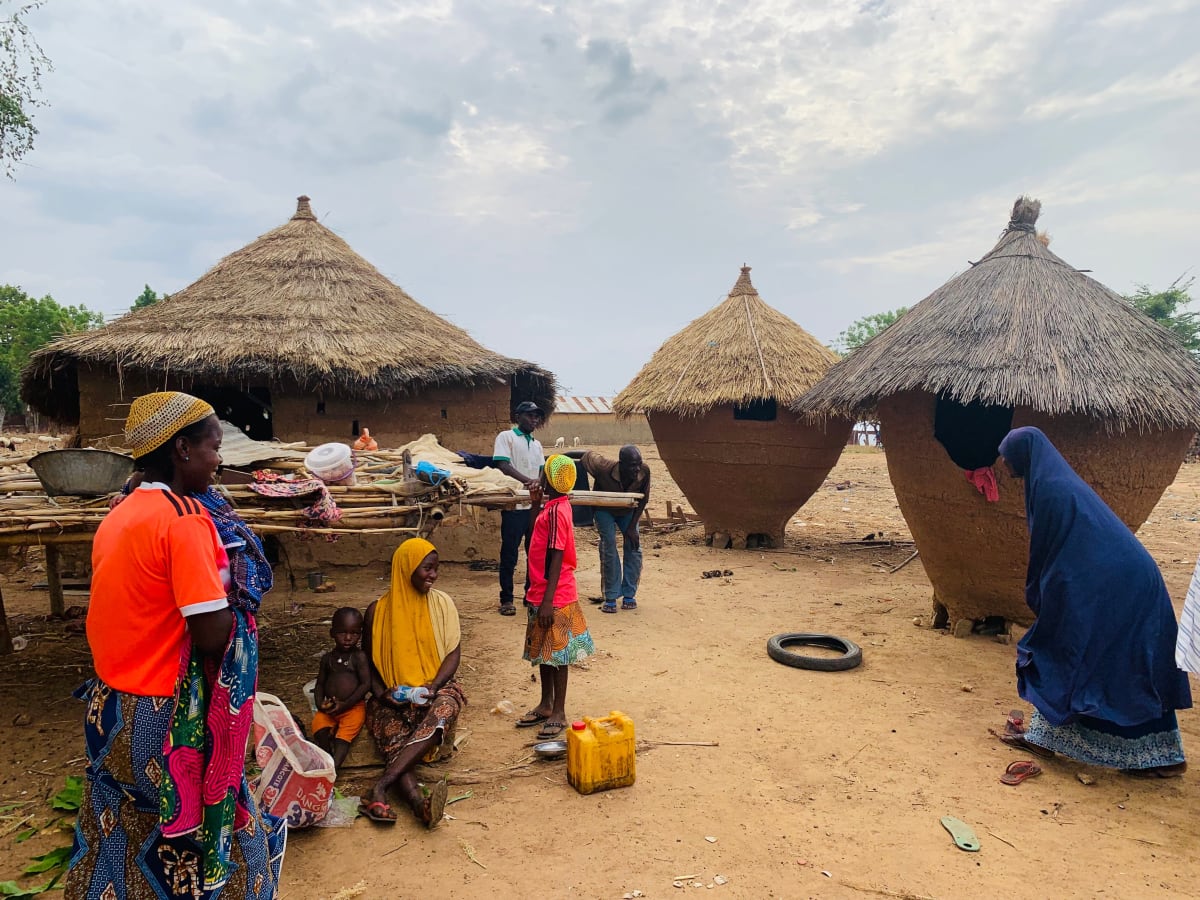
In the rural villages of Kagarko Local Government Area (LGA) in Kaduna State, Nigeria, pregnancy is a perilous journey. For women in Mararaban Babo, Taffa, and Chakwama, the nearest healthcare facility is 14 kilometers away, an arduous trek that can take hours on foot, especially during the rainy season when roads become impassable. Without reliable transportation or emergency care, these women face life threatening delays in accessing critical maternal health services.
Despite government commitments to expand primary healthcare centers (PHCs) across Nigeria, these communities remain without a single functional clinic. The consequences are dire: rising maternal mortality rates and preventable deaths that reflect broader systemic failures in healthcare delivery.
What Happened
The Iddah Primary Healthcare Centre (PHC) in Kagarko LGA is the only lifeline for over 20,000 people in the surrounding villages. Yet, it stands abandoned, no ambulances, no midwives, and no emergency obstetric care. Roads are nonexistent, and the journey to the facility is often through treacherous terrain, particularly during the rainy season when floodwaters turn paths into swamps. Pregnant women, some in active labor, must navigate these conditions to reach care, risking complications or death along the way.
Why Public Health Officials Are Concerned
Kaduna State already has one of Nigeria’s highest maternal mortality rates, and the lack of accessible healthcare in these villages is exacerbating the crisis. According to Nigeria’s Federal Ministry of Health, maternal mortality remains a critical public health challenge, with rural areas disproportionately affected due to limited infrastructure and resources. The absence of prenatal and postnatal care in these communities further increases risks of hemorrhage, infection, and other complications during and after childbirth.
Health advocates warn that the situation in Kagarko LGA is not an isolated incident but part of a larger pattern of neglect in Nigeria’s healthcare system. Despite national pledges to establish 10,000 PHCs nationwide, many rural communities remain without basic healthcare services, leaving pregnant women with no alternative but to endure dangerous journeys for care.
Symptoms or Risk Factors
For women in these villages, the risks are immediate and life threatening:
- Delayed access to emergency obstetric care, increasing the likelihood of complications such as hemorrhage or eclampsia.
- Lack of prenatal screenings, which can lead to undetected conditions such as anemia, hypertension, or fetal abnormalities.
- Postnatal complications, including infections or postpartum hemorrhage, due to the absence of follow up care.
- Increased vulnerability during the rainy season, when flooding and poor road conditions make travel to healthcare facilities nearly impossible.
Who May Be Affected
The crisis disproportionately impacts:
- Pregnant women in rural communities, particularly those in hard to reach areas like Mararaban Babo, Taffa, and Chakwama.
- Low income families who cannot afford private healthcare or transportation to distant facilities.
- Women in labor who require urgent medical intervention but are unable to reach care in time.
- Newborns, who face higher risks of complications or stillbirth due to delayed or inadequate maternal care.
Government or WHO Response
Nigeria’s Federal Ministry of Health has acknowledged the challenges in rural healthcare delivery, including the need to improve infrastructure and staffing in PHCs. In 2022, the government launched the Basic Health Care Provision Fund (BHCPF) to strengthen primary healthcare, including maternal and child health services. However, implementation remains inconsistent, and many rural communities continue to lack access to essential services.
The World Health Organization (WHO) has emphasized the importance of reducing maternal mortality as part of the Sustainable Development Goals (SDGs). In Nigeria, the WHO supports efforts to improve healthcare access in rural areas through partnerships with local governments and nongovernmental organizations (NGOs). Despite these initiatives, progress has been slow, and the gap between policy and practice persists.
Prevention and Safety Guidance
For communities facing similar challenges, experts recommend the following steps to mitigate risks:
- Mobile Clinics: Deploy mobile health units to remote areas to provide prenatal and postnatal care, vaccinations, and emergency services.
- Community Health Workers: Train and deploy local health workers to conduct home visits, monitor pregnancies, and refer high risk cases to facilities.
- Transportation Solutions: Establish community based transportation systems, such as ambulance services or shared vehicles, to ensure timely access to care.
- Infrastructure Investment: Prioritize road construction and maintenance in rural areas to improve connectivity and reduce travel time to healthcare facilities.
- Awareness Campaigns: Educate communities about the importance of prenatal care, danger signs during pregnancy, and the need to seek care early.
What Readers Should Know
This crisis is not just a local issue, it is a national and global health challenge. Maternal mortality in Nigeria remains unacceptably high, with rural women bearing the brunt of systemic failures. While government initiatives offer hope, their impact depends on consistent funding, accountability, and community engagement.
For those looking to contribute, supporting NGOs that provide maternal health services in rural Nigeria can make a tangible difference. Organizations such as the White Ribbon Alliance and Maternal Aid Nigeria work directly with communities to improve access to care and advocate for policy changes. Raising awareness about these issues can also pressure policymakers to prioritize rural healthcare in national budgets and development plans.
Key Takeaways
- Pregnant women in rural Kaduna villages must walk 14 kilometers to reach the nearest healthcare facility, risking life threatening delays in care.
- The lack of functional primary healthcare centers in these communities is contributing to Nigeria’s high maternal mortality rates.
- Systemic failures in infrastructure, transportation, and healthcare delivery disproportionately affect rural women.
- Government initiatives like the Basic Health Care Provision Fund aim to address these gaps, but implementation remains inconsistent.
- Mobile clinics, community health workers, and improved road infrastructure are critical solutions to reduce maternal health risks in remote areas.
Frequently Asked Questions
Why do pregnant women in these villages have to walk 14 kilometers to reach healthcare?
The nearest primary healthcare center in Kagarko LGA is the only facility serving over 20,000 people in the surrounding villages. Despite government pledges to expand healthcare access, these communities lack functional clinics, ambulances, and reliable transportation, forcing women to travel long distances on foot.
What are the risks for pregnant women making this journey?
The risks include delayed access to emergency obstetric care, which can lead to complications such as hemorrhage, eclampsia, or infection. During the rainy season, flooding and poor road conditions further increase the danger of the journey.
What is the Nigerian government doing to address this issue?
The Federal Ministry of Health has launched initiatives like the Basic Health Care Provision Fund (BHCPF) to strengthen primary healthcare, including maternal and child health services. However, implementation remains inconsistent, and many rural communities still lack access to essential services.
How can I help support pregnant women in rural Nigeria?
Supporting NGOs that provide maternal health services in rural areas, such as the White Ribbon Alliance or Maternal Aid Nigeria, can make a tangible difference. Advocating for policy changes and raising awareness about these issues can also pressure policymakers to prioritize rural healthcare.
What are the long term solutions to this crisis?
Long term solutions include deploying mobile clinics, training and deploying community health workers, improving road infrastructure, and ensuring consistent funding for rural healthcare. These measures can reduce travel time, improve access to care, and ultimately save lives.
Medical Review: MedSense Editorial Board









DISCUSSION (0)
POST A COMMENT