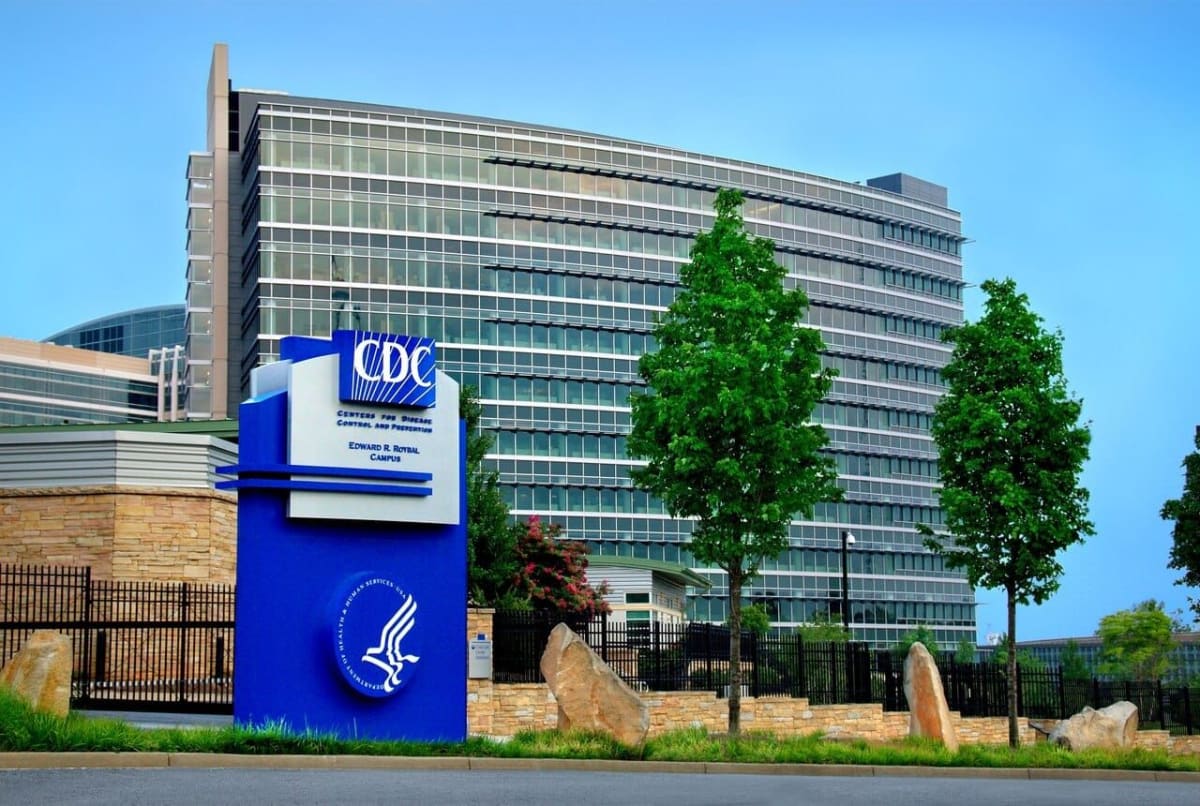
The U.S. Centers for Disease Control and Prevention (CDC) has confirmed a technical failure in its RSS feed system, disrupting the automated transmission of real time public health alerts. The outage, which began during a routine data synchronization process, has left health professionals, journalists, and the public without access to timely updates on infectious disease outbreaks, vaccination campaigns, and emerging health threats.
What Happened
The CDC’s RSS feed, which typically pushes automated updates to subscribers, failed to process data correctly, resulting in incomplete or unreadable transmissions. Initial assessments point to a misconfigured server side protocol as the likely cause, though the agency has not yet confirmed the root issue or provided a resolution timeline. The disruption has forced the CDC to rely on manual dissemination methods, including direct email notifications and social media updates, to bridge the communication gap.
Why Public Health Officials Are Concerned
The failure raises immediate concerns about the reliability of digital infrastructure relied upon by public health agencies to share time sensitive information. During periods of heightened health risks, such as flu season or the emergence of new pathogens, delays in critical alerts can hinder rapid response efforts. The incident also threatens to erode trust in the CDC’s transparency, particularly among policymakers and the public, who depend on consistent and accurate communication.
Symptoms or Risk Factors
While the RSS feed outage itself is a technical issue, its consequences manifest in delayed public health responses. Health professionals and local health departments, which often rely on automated feeds for real time data, may face operational disruptions. The failure also highlights the broader risk of over reliance on single point digital systems without adequate redundancy, leaving public health networks vulnerable to cascading failures.
Who May Be Affected
The outage impacts a wide range of stakeholders, including healthcare providers, journalists, researchers, and policymakers. Media outlets and research institutions that aggregate CDC data for redistribution are particularly affected, as are local health departments monitoring disease trends. The general public may also experience indirect delays in receiving critical health advisories, such as vaccination recommendations or drug recalls.
Government or WHO Response
The CDC has acknowledged the technical failure and assured the public that manual dissemination of critical updates will continue until the RSS feed is restored. The agency has not provided a specific timeline for resolution but has pledged to conduct a thorough review of its data transmission protocols. Meanwhile, health officials are exploring alternative methods to ensure continuity of communication.
Prevention and Safety Guidance
To mitigate the impact of future disruptions, public health agencies should prioritize the implementation of redundant communication channels, such as multiple RSS feeds, email alerts, and API based data access. Regular audits of data transmission protocols and stress testing systems under high load conditions can help identify vulnerabilities before they escalate. Collaboration with stakeholders, including media outlets and healthcare providers, is also essential to establish alternative distribution methods.
What Readers Should Know
While the CDC works to restore its RSS feed, readers should be aware that critical public health updates may be delayed. The incident underscores the importance of diversifying information sources and verifying updates through multiple channels. For healthcare professionals, this means cross referencing CDC communications with other trusted sources, such as state health departments or international health organizations.
Key Takeaways
- The CDC’s RSS feed outage has disrupted automated public health alerts, forcing reliance on manual dissemination methods.
- Delays in critical health updates could hinder rapid response efforts during disease outbreaks or emerging health threats.
- The incident highlights the fragility of digital infrastructure in public health and the need for redundant communication systems.
- Healthcare professionals and the public should diversify their information sources to ensure timely access to critical updates.
Frequently Asked Questions
What is an RSS feed, and why is it important for public health?
RSS (Really Simple Syndication) feeds are XML based formats used to distribute frequently updated content, such as news articles or public health alerts. For public health agencies like the CDC, RSS feeds automate the delivery of real time updates on disease outbreaks, vaccination campaigns, and safety advisories, ensuring rapid dissemination to subscribers.
How long will the CDC’s RSS feed outage last?
The CDC has not provided a specific timeline for resolution. The agency has acknowledged the technical failure and is working to restore functionality, but no definitive date has been announced for the feed’s return to operation.
What steps can healthcare professionals take to stay informed during the outage?
Healthcare professionals should cross reference CDC communications with other trusted sources, such as state health departments, international health organizations, or direct email notifications from the CDC. Diversifying information sources can help mitigate the impact of delayed updates.
Could this outage affect vaccination campaigns or disease surveillance?
Yes. The CDC’s RSS feed is a critical tool for distributing real time updates on vaccination campaigns and disease surveillance. Delays in these updates could hinder efforts to monitor and respond to public health threats, particularly during periods of heightened risk.
Medical Review: MedSense Editorial Board








DISCUSSION (0)
POST A COMMENT