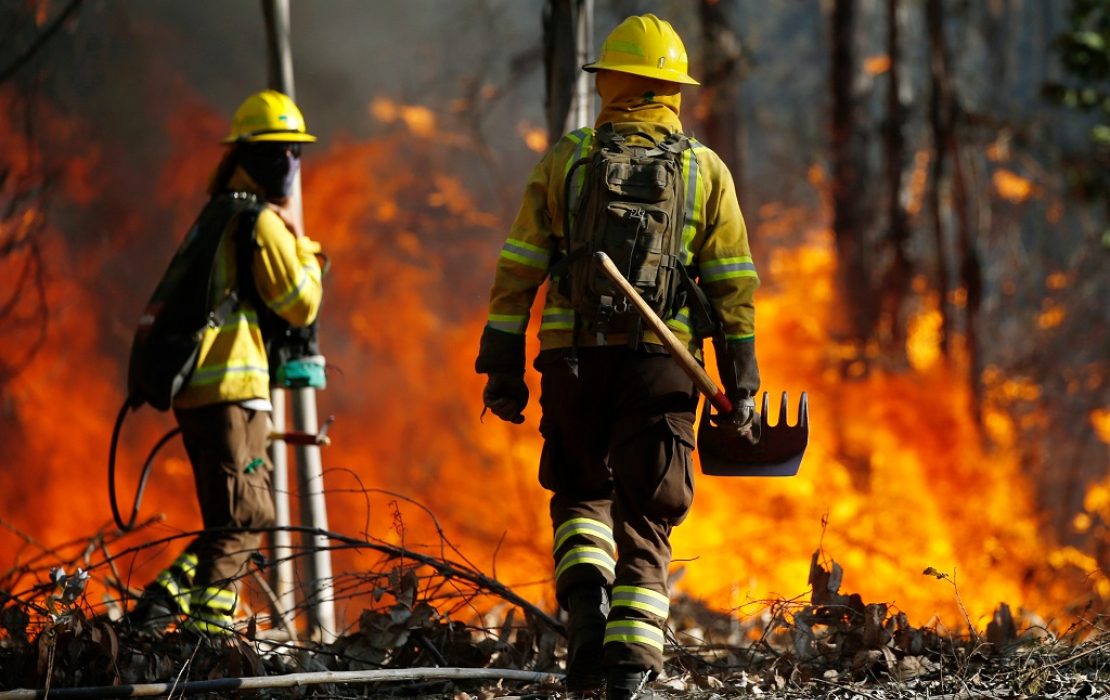
Climate change is no longer a distant environmental threat but a present day public health emergency, according to leading global health authorities. Rising temperatures, shifting weather patterns, and worsening air quality are directly contributing to a surge in heat related illnesses, respiratory disorders, and the spread of vector borne diseases.
Research published in recent months underscores how these environmental shifts are reshaping health risks worldwide, with vulnerable populations bearing the greatest burden. Public health officials are calling for urgent action to mitigate these risks before health systems become overwhelmed.
What Happened
Scientific assessments from the World Health Organization (WHO) and the Intergovernmental Panel on Climate Change (IPCC) confirm that climate change is accelerating health threats globally. The most immediate impacts include longer pollen seasons, more frequent and severe heatwaves, and the expansion of habitats for disease carrying vectors like mosquitoes and ticks.
In Europe, the 2022 heatwaves were linked to over 60,000 excess deaths, according to a study published in The Lancet Regional Health. Meanwhile, regions in North America and Asia are reporting extended allergy seasons, with pollen counts rising by up to 21% in some urban areas over the past decade.
Why Public Health Officials Are Concerned
Health authorities warn that the convergence of rising temperatures and environmental degradation is creating a perfect storm for public health crises. The WHO estimates that between 2030 and 2050, climate change could cause approximately 250,000 additional deaths per year from malnutrition, malaria, diarrhea, and heat stress alone.
Dr. Maria Neira, Director of the WHO’s Department of Environment, Climate Change and Health, stated that the health impacts of climate change are "unequally distributed," with low income countries and marginalized communities facing the highest risks. "The health sector must adapt rapidly to these changes, or we risk reversing decades of progress in global health," she said.
Symptoms or Risk Factors
Public health experts identify several key health risks associated with climate change:
- Heat related illnesses: Heat exhaustion, heatstroke, and dehydration, particularly among outdoor workers, the elderly, and those with chronic conditions.
- Respiratory conditions: Worsening asthma and allergic rhinitis due to prolonged pollen seasons and increased air pollution from wildfires and industrial emissions.
- Vector borne diseases: Expansion of mosquito habitats leading to higher risks of dengue, malaria, West Nile virus, and Lyme disease in previously unaffected regions.
- Mental health impacts: Increased anxiety and stress related to extreme weather events, displacement, and loss of livelihoods.
Who May Be Affected
The health impacts of climate change disproportionately affect:
- Children and the elderly, who are more susceptible to heat stress and respiratory conditions.
- Individuals with pre existing health conditions, such as cardiovascular and respiratory diseases.
- Outdoor workers, including farmers and construction laborers, who face prolonged exposure to extreme heat.
- Low income communities, which often lack access to air conditioning, healthcare, and clean water.
- Indigenous populations, whose traditional lands are increasingly threatened by environmental degradation.
Government or WHO Response
In response to these growing threats, the WHO has launched the Climate and Health Office, which provides guidance to governments on adapting health systems to climate risks. Key initiatives include:
- Developing heat health action plans to protect vulnerable populations during extreme heat events.
- Strengthening disease surveillance systems to monitor and respond to outbreaks of vector borne illnesses.
- Promoting clean energy policies to reduce air pollution and its associated health burdens.
- Supporting research into the health impacts of climate change and effective adaptation strategies.
The European Union has also committed to reducing greenhouse gas emissions by at least 55% by 2030, with health protection as a core component of its climate strategy. Meanwhile, the U.S. Centers for Disease Control and Prevention (CDC) has established the Climate and Health Program to track climate related health threats and develop response strategies.
Prevention and Safety Guidance
Public health agencies recommend several measures to reduce climate related health risks:
- For heatwaves: Stay hydrated, avoid outdoor activities during peak heat hours, and check on vulnerable neighbors. Public cooling centers should be made widely available.
- For respiratory conditions: Monitor air quality indices, use air purifiers indoors, and limit outdoor exposure on high pollution days.
- For vector borne diseases: Use insect repellent, wear protective clothing, and eliminate standing water where mosquitoes breed. Travelers to endemic regions should take precautions against mosquito bites.
- For mental health: Seek support from mental health professionals if experiencing climate related anxiety or distress. Community resilience programs can also help address psychosocial impacts.
What Readers Should Know
Climate change is not a future threat but a current health crisis that demands immediate attention. While governments and health authorities are taking steps to mitigate risks, individuals can also play a role in reducing their environmental footprint and protecting their health.
Public health experts emphasize that reducing greenhouse gas emissions is the most effective long term strategy for protecting global health. Transitioning to renewable energy sources, improving urban planning to reduce heat islands, and investing in climate resilient healthcare systems are critical steps.
For those concerned about their local risks, health departments in many countries provide climate and health data and resources. Staying informed about local air quality, heat advisories, and disease outbreaks can help individuals and communities prepare and respond effectively.
Key Takeaways
- Climate change is accelerating public health threats, including heat related illnesses, respiratory conditions, and the spread of vector borne diseases.
- Vulnerable populations, such as children, the elderly, and low income communities, are disproportionately affected by climate related health risks.
- Governments and health authorities are implementing adaptation strategies, such as heat health action plans and disease surveillance systems.
- Individuals can reduce their risk by staying informed about local climate threats, using protective measures during extreme weather, and supporting clean energy policies.
- Reducing greenhouse gas emissions is the most effective long term strategy for protecting global health.
Frequently Asked Questions
How does climate change affect respiratory health?
Climate change worsens respiratory health by extending pollen seasons, increasing air pollution from wildfires and industrial emissions, and creating conditions that favor the growth of mold and other allergens. These factors contribute to higher rates of asthma, allergic rhinitis, and other respiratory conditions.
Which populations are most at risk from climate related health threats?
Children, the elderly, individuals with pre existing health conditions, outdoor workers, low income communities, and indigenous populations are among the most vulnerable to climate related health risks. These groups often lack access to protective resources and bear the greatest burden of environmental degradation.
What can individuals do to protect themselves from heat related illnesses during extreme heat events?
Individuals should stay hydrated, avoid outdoor activities during peak heat hours, wear lightweight and light colored clothing, and check on vulnerable neighbors. Public cooling centers should be utilized when available. Those with chronic conditions should consult their healthcare providers for personalized advice.
How are governments responding to the health impacts of climate change?
Governments are implementing adaptation strategies such as developing heat health action plans, strengthening disease surveillance systems, promoting clean energy policies, and investing in climate resilient healthcare systems. The WHO, CDC, and EU are among the organizations leading these efforts.
What role does air pollution play in climate related health risks?
Air pollution, often exacerbated by climate change, contributes to respiratory and cardiovascular diseases. Wildfires, industrial emissions, and vehicle exhaust release pollutants that worsen conditions like asthma, chronic obstructive pulmonary disease (COPD), and heart disease. Reducing air pollution is a key strategy for improving public health.
Medical Review: MedSense Editorial Board







DISCUSSION (0)
POST A COMMENT