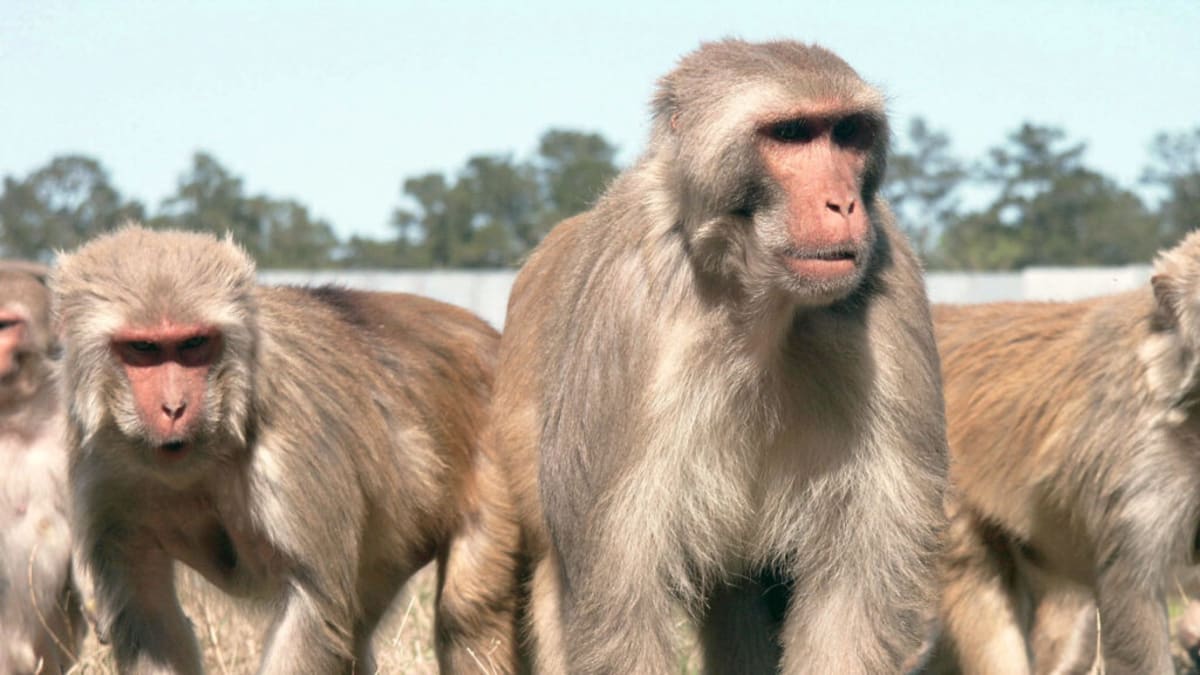
The U.S. Centers for Disease Control and Prevention (CDC) has finalized plans to relocate more than 160 rhesus and cynomolgus macaques from its research colonies to a permanent sanctuary in Dilley, Texas. The move, conducted in partnership with Born Free USA, signals a deliberate pivot away from animal testing in federal biomedical research, reflecting both ethical considerations and advances in alternative scientific methods.
What Happened
The CDC’s decision to transfer the primates follows years of internal review and external pressure to reduce the use of nonhuman animals in research. The agency confirmed that the macaques, which have been part of studies on infectious diseases and vaccine development, will be retired to a sanctuary operated by Born Free USA, a nonprofit focused on wildlife welfare. The relocation process is expected to begin within the next 12 months.
Why Public Health Officials Are Concerned
Federal agencies, including the CDC and the National Institutes of Health (NIH), have faced mounting criticism over the ethical implications of maintaining research colonies of highly intelligent, social primates. While these animals have played a critical role in advancing public health, particularly in vaccine development and the study of emerging pathogens, their use has become increasingly controversial. Public health leaders acknowledge that while alternatives such as organ on a chip technologies and computational models are improving, some research still requires animal models to address complex biological questions.
Who May Be Affected
Researchers currently relying on nonhuman primate models for infectious disease, neurological, or behavioral studies will need to adapt to the CDC’s transition. The agency has stated that it will continue to support research where animal models remain scientifically necessary, but the shift is expected to accelerate the adoption of non animal alternatives. Advocacy groups, including the Humane Society of the United States, have welcomed the move but emphasize that further reductions in primate research are still needed.
Government or WHO Response
The CDC’s decision aligns with broader federal efforts to modernize research practices. The NIH has also reduced its primate research colonies in recent years, citing both ethical concerns and the high operational costs. While the World Health Organization (WHO) has not issued a formal statement on the CDC’s move, the organization has previously highlighted the importance of balancing scientific progress with animal welfare in global health research.
Prevention and Safety Guidance
For researchers and institutions currently using nonhuman primates, the CDC’s transition underscores the need to explore and invest in alternative research methods. The agency has not announced a timeline for phasing out all primate research but has indicated that future decisions will prioritize scientifically validated alternatives. Institutions are encouraged to review their research protocols and consider collaborations with organizations developing in vitro, computational, or organ on a chip technologies.
What Readers Should Know
This shift does not eliminate the use of nonhuman primates in research entirely, but it represents a significant step toward reducing reliance on animal testing. The CDC’s partnership with Born Free USA ensures that the macaques will receive lifelong care in an environment designed to meet their social and behavioral needs. The move also reflects growing public and scientific consensus that ethical considerations must be integrated into biomedical research strategies.
Key Takeaways
- The CDC is relocating over 160 macaques from its research facilities to a sanctuary in Texas, marking a shift away from animal testing in federal biomedical research.
- The decision reflects ethical concerns and the growing availability of alternative research methods, though some studies may still require animal models.
- Researchers and institutions are encouraged to adopt non animal alternatives as federal agencies reassess their use of nonhuman primates.
- The move aligns with broader federal efforts to modernize research practices while balancing scientific progress with animal welfare.
Frequently Asked Questions
Why is the CDC relocating these macaques?
The CDC is relocating the macaques as part of a strategic shift to reduce reliance on animal testing in biomedical research. The move reflects ethical considerations and advances in alternative research methods, though some studies may still require animal models.
Will this decision eliminate the use of nonhuman primates in research entirely?
No, the CDC’s decision does not eliminate the use of nonhuman primates in research entirely. The agency has stated that some studies, particularly those involving complex biological systems, may still require animal models.
What alternatives to animal testing are being developed?
Alternatives include in vitro models, computational simulations, and organ on a chip technologies. These methods are increasingly being used to replace or reduce the need for animal testing in certain research areas.
How will this decision impact researchers currently using macaques?
Researchers will need to adapt to the CDC’s transition by exploring alternative research methods. The agency has indicated that future decisions will prioritize scientifically validated alternatives.
What role does Born Free USA play in this transition?
Born Free USA operates the sanctuary in Dilley, Texas, where the macaques will be permanently housed. The organization provides specialized care and expansive enclosures designed to meet the animals’ social and behavioral needs.
Medical Review: MedSense Editorial Board









DISCUSSION (0)
POST A COMMENT