
A groundbreaking study published in The Lancet Infectious Diseases has uncovered a disturbing trend: antibiotic-resistant infections are surging across sub-Saharan Africa, with some regions reporting resistance rates exceeding 50% for commonly used antibiotics. The research, conducted by a coalition of African and international health institutions, analyzed data from 15 countries over a five-year period, revealing a crisis that threatens to undermine decades of progress in combating infectious diseases.
Why This Is Escalating
- Overprescription and Misuse: Antibiotics are frequently dispensed without proper diagnosis or prescription, often due to limited access to healthcare and self-medication practices.
- Weak Regulatory Frameworks: Many African nations lack stringent regulations to control the sale and distribution of antibiotics, allowing over-the-counter purchases without oversight.
- Limited Diagnostic Tools: Inadequate laboratory infrastructure hampers the ability to accurately identify bacterial infections, leading to inappropriate antibiotic use.
- Livestock and Agriculture: The widespread use of antibiotics in farming to promote growth and prevent disease in animals contributes to the spread of resistant bacteria.
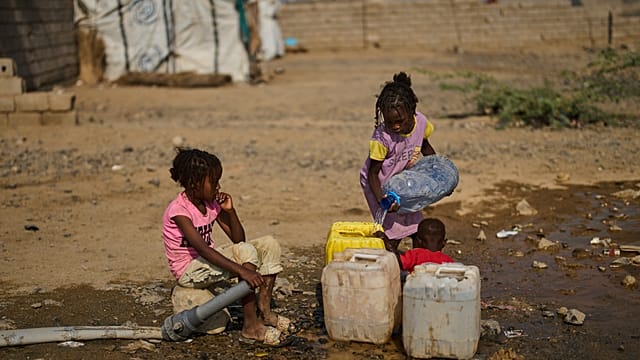
- Poor Sanitation and Hygiene: Insufficient access to clean water and sanitation facilities exacerbates the spread of infections, increasing reliance on antibiotics.
Understanding the Condition
Antibiotic resistance occurs when bacteria evolve to survive exposure to drugs designed to kill them. This natural process is accelerated by the overuse and misuse of antibiotics, rendering once-effective treatments ineffective. The study identified several high-priority pathogens, including:
- Escherichia coli (E. coli): Commonly causing urinary tract infections and sepsis, with resistance to third-generation cephalosporins exceeding 60% in some areas.
- Klebsiella pneumoniae: A leading cause of hospital-acquired infections, showing resistance rates of up to 50% to carbapenems, a last-resort antibiotic class.
- Staphylococcus aureus: Including methicillin-resistant Staphylococcus aureus (MRSA), which poses a significant threat in both community and hospital settings.
- Salmonella and Shigella: Pathogens responsible for foodborne illnesses, with rising resistance to fluoroquinolones, a critical class of antibiotics.
Regional Hotspots and Vulnerable Populations
The study pinpointed several regions where the crisis is most acute, including parts of Nigeria, Kenya, South Africa, and the Democratic Republic of the Congo. Vulnerable populations, such as children under five, the elderly, and individuals with compromised immune systems, are at heightened risk. In some hospitals, resistance rates for certain infections have reached levels where treatment options are severely limited, leading to increased mortality rates.
Global Implications
Experts warn that the rise of antibiotic resistance in Africa is not just a regional issue but a global threat. Dr. Ngozi Erondu, an infectious disease epidemiologist and co-author of the study, emphasized, "The spread of resistant bacteria knows no borders. Without urgent intervention, we risk a future where common infections become untreatable, and routine medical procedures like surgeries and chemotherapy become life-threatening due to the risk of untreatable infections."
Call to Action
The study outlines a multi-pronged approach to address the crisis:
- Strengthening Surveillance: Expanding laboratory capacity and implementing real-time monitoring systems to track resistance patterns.
- Regulating Antibiotic Use: Enforcing stricter controls on the sale and distribution of antibiotics, including banning over-the-counter sales without a prescription.
- Public Awareness Campaigns: Educating healthcare providers and the public on the dangers of antibiotic misuse and the importance of completing prescribed courses.
- Investing in Research: Supporting the development of new antibiotics and alternative treatments, such as phage therapy and vaccines.
- Improving Sanitation: Enhancing access to clean water and sanitation facilities to reduce the spread of infections.
MedSense Insight
This study serves as a wake-up call for policymakers, healthcare providers, and the global community. The rise of antibiotic resistance in Africa is a complex issue rooted in systemic challenges, including healthcare inequities, weak infrastructure, and economic constraints. Addressing it will require coordinated efforts, significant investment, and a commitment to equitable access to healthcare resources. The time to act is now—before the crisis spirals beyond control.
Key Takeaway
- Antibiotic-resistant infections are surging in sub-Saharan Africa, with resistance rates exceeding 50% for some commonly used antibiotics.
- The crisis is driven by overprescription, weak regulations, limited diagnostic tools, agricultural misuse, and poor sanitation.
- High-priority pathogens, such as E. coli, Klebsiella pneumoniae, and MRSA, are showing alarming resistance patterns.
- Urgent action is needed, including strengthening surveillance, regulating antibiotic use, and investing in research and sanitation.
- The global community must recognize this as a shared threat and collaborate to prevent a post-antibiotic era.
Editorial Note: This report was prepared by MedSense News using verified public reporting, official statements, and editorial analysis. Initial reporting credit: dailypost.ng.
















DISCUSSION (0)
POST A COMMENT