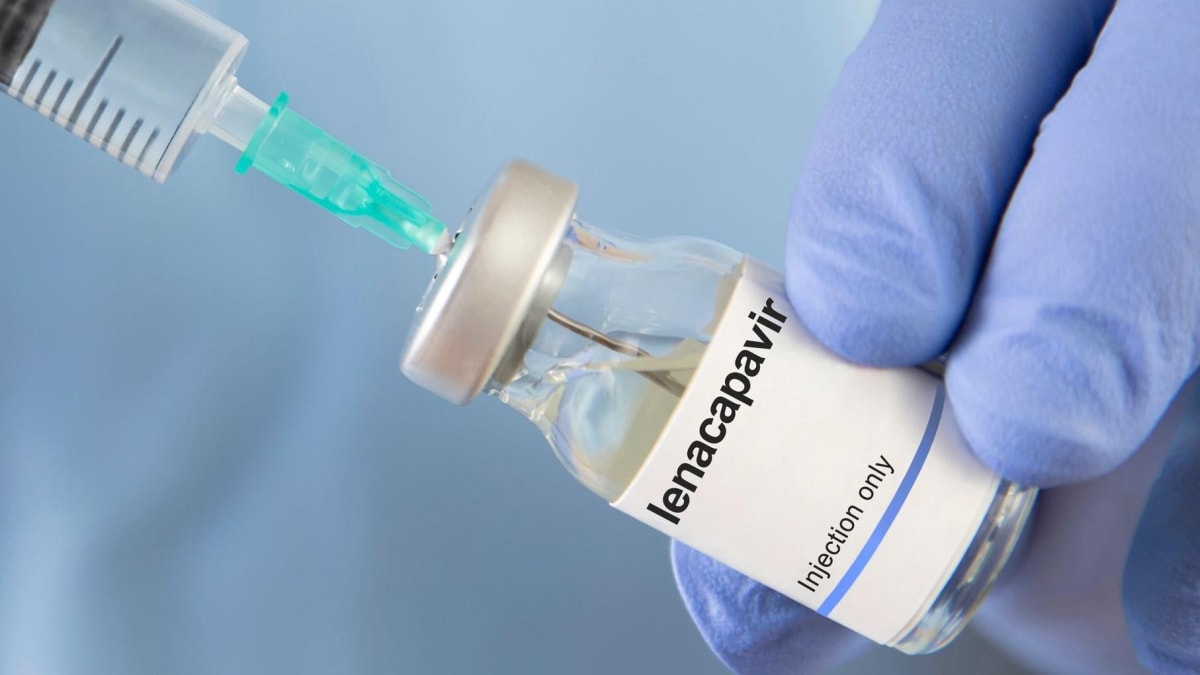
Nigeria’s Benue State has launched a twice yearly injectable HIV prevention drug, Lenacapavir, marking a pivotal shift in the state’s fight against one of its most persistent public health challenges. The initiative, announced by Dr. Paul Ogwuche, Commissioner for Health and Human Services, aims to address gaps in HIV prevention that have long plagued regions with high transmission rates and inconsistent adherence to daily oral PrEP regimens.
Lenacapavir, developed by Gilead Sciences, offers a sustained release formulation that remains effective for six months per injection, reducing the reliance on daily medication and easing the burden on both patients and healthcare providers. The move aligns with global health recommendations and positions Benue State as a potential model for other high burden regions.
What Happened
Benue State’s government has formally integrated Lenacapavir into its HIV prevention strategy, becoming one of the first regions in Nigeria to adopt the twice yearly injectable PrEP. The drug, administered via subcutaneous injection, provides continuous protection against HIV for six months, eliminating the need for daily oral medication. Health officials have highlighted the initiative as a response to the persistent challenge of adherence to traditional PrEP regimens, which often leads to gaps in protection and increased transmission risks.
Why Public Health Officials Are Concerned
Despite progress in HIV treatment and prevention, Benue State continues to face elevated transmission rates, particularly among key populations such as sex workers, men who have sex with men, and serodiscordant couples. Daily oral PrEP, while effective, requires strict adherence, which many individuals struggle to maintain due to logistical, financial, or personal barriers. Lenacapavir’s long acting formulation addresses this gap by offering a more sustainable alternative that reduces the risk of missed doses and improves overall protection rates.
According to the World Health Organization (WHO), adherence to daily medication remains a critical barrier to HIV prevention in sub Saharan Africa. The organization has endorsed Lenacapavir as a safe and effective option for high risk individuals, emphasizing its potential to strengthen prevention efforts in regions with limited healthcare resources.
Symptoms or Risk Factors
Lenacapavir is not a treatment for HIV but a preventive measure for individuals at high risk of infection. The drug works by inhibiting the virus’s replication cycle, specifically targeting the viral capsid protein to disrupt HIV’s lifecycle. Clinical trials have demonstrated its efficacy in reducing transmission risk when used as directed, with most adverse effects reported as mild to moderate.
Public health officials emphasize that Lenacapavir is intended for individuals who are HIV negative and at substantial risk of infection, including those in serodiscordant relationships or engaging in high risk behaviors. The drug does not protect against other sexually transmitted infections (STIs) or provide contraception.
Who May Be Affected
The initiative targets high risk populations in Benue State, including sex workers, men who have sex with men, and individuals in serodiscordant relationships. Health authorities plan to prioritize these groups for Lenacapavir distribution, ensuring that those most vulnerable to HIV transmission have access to the new prevention tool. The state’s healthcare system will also play a critical role in administering the injections and monitoring patients for any adverse effects.
Government or WHO Response
The Benue State Government has outlined plans to integrate Lenacapavir into its existing HIV prevention programs, collaborating with local healthcare facilities to ensure proper administration and monitoring. The initiative reflects a broader commitment to reducing HIV transmission rates in the state, which has historically struggled with high prevalence and limited access to prevention tools.
The WHO has recognized Lenacapavir as a valuable addition to the HIV prevention toolkit, particularly in regions where adherence to daily oral PrEP is inconsistent. The organization has called for expanded access to the drug, emphasizing the need for global health organizations and pharmaceutical companies to address cost barriers and ensure equitable distribution.
Prevention and Safety Guidance
For individuals considering Lenacapavir, health officials recommend consulting with a healthcare provider to assess eligibility and discuss potential risks. The drug is administered as two subcutaneous injections per year, with the first dose followed by a second injection six months later. Patients will be monitored for adverse effects, which are typically mild and may include injection site reactions or gastrointestinal symptoms.
Public health campaigns will play a crucial role in educating communities about Lenacapavir’s benefits and addressing any misconceptions. Officials stress that the drug is not a substitute for other prevention methods, such as condoms or regular HIV testing, and should be used as part of a comprehensive prevention strategy.
What Readers Should Know
Lenacapavir represents a significant advancement in HIV prevention, offering a practical solution to one of the most persistent challenges in public health: medication adherence. Its twice yearly dosing schedule reduces the logistical burden on patients and healthcare providers, making it a more sustainable option for high risk individuals. However, the success of this initiative will depend on addressing cost barriers and ensuring equitable access to the drug.
For residents of Benue State, the launch of Lenacapavir provides an opportunity to take control of their health and reduce their risk of HIV transmission. Health officials encourage individuals in high risk groups to speak with their healthcare providers about whether Lenacapavir is the right prevention tool for them.
Key Takeaways
- Benue State is the first in Nigeria to adopt Lenacapavir, a twice yearly injectable PrEP, to address adherence challenges in HIV prevention.
- The drug’s long acting formulation reduces the need for daily medication, improving protection rates among high risk populations.
- Successful implementation will require addressing cost barriers, strengthening healthcare infrastructure, and engaging communities to maximize impact.
- Lenacapavir aligns with WHO recommendations and could serve as a model for other high burden regions seeking innovative HIV prevention strategies.
Frequently Asked Questions
How does Lenacapavir compare to daily oral PrEP in terms of effectiveness?
Clinical trials have shown that Lenacapavir provides comparable or superior protection against HIV when used as directed. Its long acting formulation reduces the risk of missed doses, which is a common issue with daily oral PrEP and can compromise effectiveness.
Who is eligible to receive Lenacapavir in Benue State?
Lenacapavir is intended for HIV negative individuals at substantial risk of infection, including sex workers, men who have sex with men, and those in serodiscordant relationships. Eligibility will be assessed by healthcare providers during consultations.
What are the potential side effects of Lenacapavir?
Most side effects reported in clinical trials have been mild to moderate, including injection site reactions and gastrointestinal symptoms. Patients will be monitored for adverse effects during and after administration.
How will Benue State ensure equitable access to Lenacapavir?
The state government plans to collaborate with local healthcare facilities to distribute Lenacapavir and strengthen infrastructure in rural areas. Global health organizations and pharmaceutical companies will also play a role in addressing cost barriers.
Does Lenacapavir protect against other sexually transmitted infections (STIs)?
No, Lenacapavir is specifically designed to prevent HIV infection and does not protect against other STIs or provide contraception. It should be used as part of a comprehensive prevention strategy that includes condoms and regular testing.
Medical Review: MedSense Editorial Board









DISCUSSION (0)
POST A COMMENT