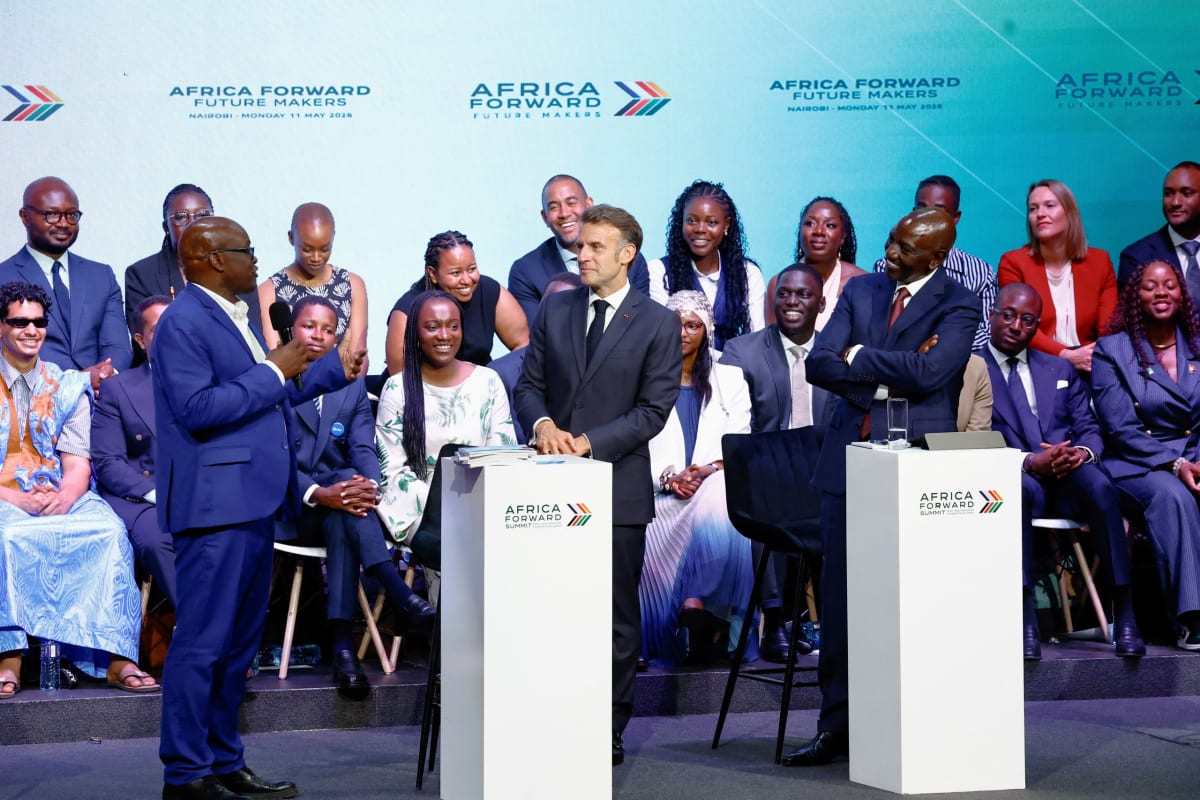
France has recalibrated its diplomatic and health engagement with Africa, pledging $1.2 billion in new investments during the Africa Forward Summit in Nairobi. The three day event, co hosted by Kenya and France, marked a deliberate shift from historical aid models toward partnerships rooted in mutual benefit and shared expertise.
Health took center stage at the summit, reflecting Africa’s rising influence in global health governance and France’s strategic pivot to deepen collaboration. The commitments, announced by French President Emmanuel Macron, target vaccine production, disease surveillance, and regulatory harmonization, signaling a new chapter in Franco African relations.
What Happened
The Africa Forward Summit concluded in Nairobi with a series of health focused pledges from France, aimed at strengthening Africa’s role in global health security. The commitments, totaling $1.2 billion, include funding for local vaccine manufacturing, disease surveillance systems, and joint research initiatives targeting neglected tropical diseases.
Key announcements included:
- An additional $600 million for the African Vaccine Manufacturing Accelerator (AVMA) to expand vaccine production capacity across the continent.
- A partnership with the Africa Centres for Disease Control and Prevention (Africa CDC) to enhance early warning systems for climate sensitive diseases.
- Support for the African Medicines Agency (AMA) to streamline regulatory processes and improve access to essential medicines.
- New joint research programs focusing on neglected tropical diseases, leveraging African scientific expertise and infrastructure.
Why Public Health Officials Are Concerned
Africa bears a disproportionate share of the global disease burden, accounting for 25% of the world’s health challenges while receiving only 1% of global health research funding. This inequity has long perpetuated disparities in healthcare access and outcomes. Public health experts warn that without sustained investment and systemic reforms, these disparities will persist despite new funding commitments.
Critics point to historical patterns where financial pledges failed to translate into tangible improvements due to structural barriers, such as intellectual property restrictions and limited technology transfer. Dr. John Nkengasong, former director of Africa CDC, emphasized the need for African led solutions: "Partnerships must respect our sovereignty and capacity to drive our own health agendas."
Who May Be Affected
The summit’s health initiatives will have far reaching implications for several groups:
- African nations: Countries with emerging vaccine manufacturing hubs, such as Rwanda, Senegal, and South Africa, stand to benefit from increased funding and collaboration.
- Global health organizations: The Africa CDC and AMA will play pivotal roles in implementing the new commitments, requiring expanded operational capacity.
- French pharmaceutical and biotech firms: Companies with expertise in vaccine development and digital health will gain opportunities for partnerships and market expansion.
- Local communities: Improved access to essential medicines and strengthened disease surveillance systems could enhance health outcomes in vulnerable regions.
Government or WHO Response
The World Health Organization (WHO) welcomed France’s commitments, noting that they align with broader efforts to strengthen health security in Africa. WHO Director General Tedros Adhanom Ghebreyesus stated, "Africa’s leadership in health innovation is reshaping global health governance, and partnerships like these are critical to achieving equitable health outcomes."
The African Union and Africa CDC also praised the summit’s outcomes, highlighting the potential for these initiatives to reduce reliance on external aid and foster self sufficiency in health security.
Prevention and Safety Guidance
While the summit focused on systemic reforms, public health officials emphasize the importance of community level preparedness. Strengthening disease surveillance and early warning systems will require collaboration between governments, local health workers, and international partners. Communities in regions vulnerable to climate sensitive diseases should remain vigilant and engage with local health authorities to mitigate risks.
What Readers Should Know
France’s renewed engagement with Africa represents a strategic shift in global health diplomacy, moving beyond traditional aid models toward partnerships based on mutual benefit. The $1.2 billion pledge reflects a recognition of Africa’s growing influence in health innovation and the continent’s potential to address global health challenges.
However, the success of these initiatives will depend on sustained investment, local ownership, and the removal of structural barriers that have historically limited progress. For African nations, the summit offers an opportunity to negotiate on equal footing and drive their own health agendas.
Key Takeaways
- France committed $1.2 billion to African health initiatives, prioritizing vaccine manufacturing, disease surveillance, and regulatory harmonization.
- Africa bears 25% of the global disease burden but receives only 1% of health research funding, highlighting persistent inequities.
- The summit signals a shift from aid based models to partnerships rooted in mutual benefit and shared expertise.
- Sustainability and local ownership will be critical to the success of these initiatives, requiring long term investment and systemic reforms.
- African nations like Rwanda, Senegal, and South Africa are emerging as hubs for vaccine production and health innovation.
Frequently Asked Questions
What is the African Vaccine Manufacturing Accelerator (AVMA), and how will the new funding be used?
The AVMA is an initiative aimed at boosting local vaccine production capacity across Africa. The additional $600 million from France will support infrastructure development, technology transfer, and workforce training to expand vaccine manufacturing capabilities on the continent.
How will the partnership with Africa CDC improve disease surveillance?
The partnership focuses on strengthening early warning systems for climate sensitive diseases. This includes enhancing data collection, analysis, and response coordination, particularly in regions vulnerable to outbreaks like cholera, malaria, and Rift Valley fever.
What role will the African Medicines Agency (AMA) play in these initiatives?
The AMA aims to harmonize regulatory standards and improve access to essential medicines across Africa. France’s support will help the agency build capacity to streamline drug approval processes and ensure quality control for locally produced and imported medicines.
Why is Africa’s role in global health governance increasing?
Africa’s leadership in health innovation is driven by its young population, rapid urbanization, and expanding middle class. Countries like Rwanda, Senegal, and South Africa have become hubs for vaccine production, telemedicine, and genomic surveillance, demonstrating the continent’s potential to address global health challenges.
What challenges could undermine the success of these health initiatives?
Critics highlight systemic barriers such as intellectual property restrictions, limited technology transfer, and historical patterns of unfulfilled promises in global health diplomacy. Sustainability and local ownership will be critical to overcoming these challenges.
Medical Review: MedSense Editorial Board








DISCUSSION (0)
POST A COMMENT