What Happened
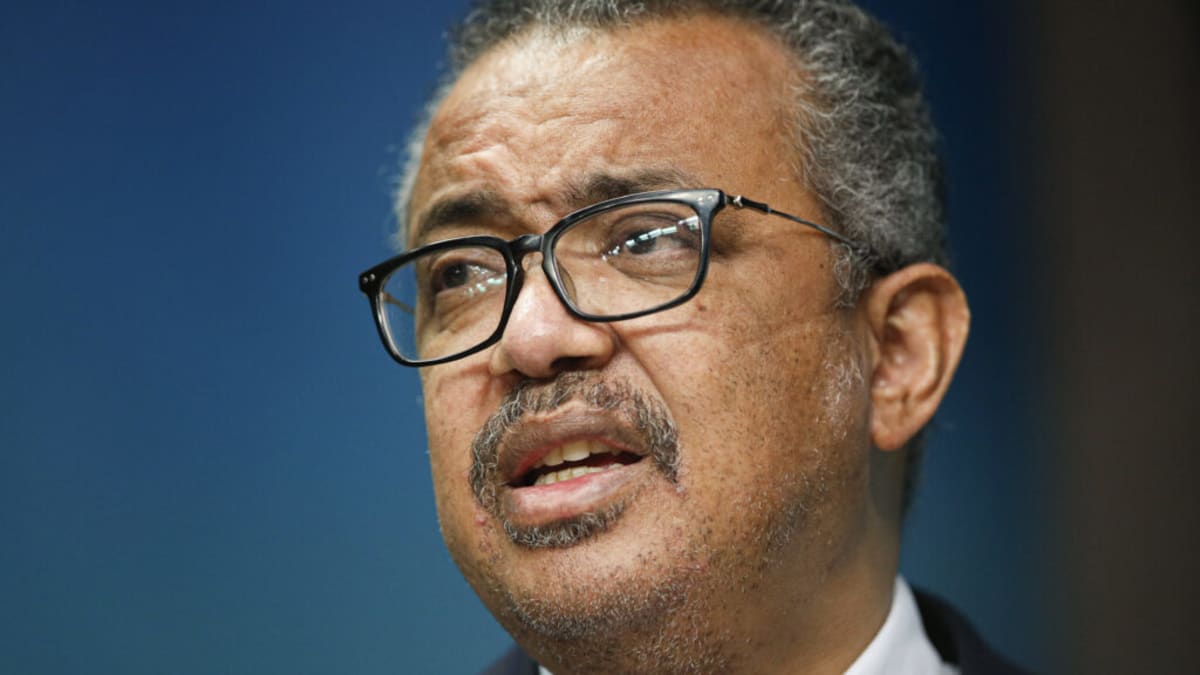
The WHO issued a public defense of its Ebola response following remarks by Senator Marco Rubio, who questioned the agency’s timeliness in addressing recent outbreaks. In a statement, the WHO clarified that its mandate relies on national governments to first identify and report cases, positioning itself as a supportive rather than primary responder. The agency’s response highlights the procedural realities of global health surveillance, where local health infrastructure plays a critical role in early detection.
Why Public Health Officials Are Concerned
Ebola remains one of the most lethal pathogens, with case fatality rates historically exceeding 50% in some outbreaks. While recent advances in vaccines and treatments have improved survival rates, the virus’s resurgence in regions like the Democratic Republic of the Congo and Uganda serves as a stark reminder of its persistent threat. Criticism of the WHO’s response timing raises broader questions about the effectiveness of international health systems in rapidly mobilizing resources, particularly in low resource settings where outbreaks often begin.
Who May Be Affected
Communities in Central and West Africa remain most vulnerable to Ebola due to factors like limited healthcare infrastructure, porous borders, and frequent cross border movement. Healthcare workers, first responders, and families of infected individuals face the highest risk of exposure. Beyond Africa, global health authorities monitor potential spread through international travel, though containment measures have so far prevented large scale outbreaks outside the continent.
Government or WHO Response
The WHO’s defense centered on its collaborative role with national health ministries, which are responsible for initial outbreak detection and reporting. The agency noted that its response includes deploying experts, coordinating vaccine distribution, and providing logistical support once cases are confirmed. In past outbreaks, the WHO has faced scrutiny over delays in declaring public health emergencies, but it has also been credited with containing spread through rapid intervention once engaged.
Prevention and Safety Guidance
For individuals in or traveling to Ebola affected regions, the WHO and CDC recommend:
- Avoiding contact with blood or bodily fluids of infected individuals.
- Practicing rigorous hand hygiene and using personal protective equipment when caring for the sick.
- Ensuring safe burial practices to prevent transmission from deceased patients.
- Seeking immediate medical attention if symptoms such as fever, fatigue, or unexplained bleeding develop.
Vaccination campaigns, particularly with the Ervebo vaccine, have proven effective in curbing transmission in high risk populations.
What Readers Should Know
The debate over the WHO’s Ebola response reflects larger tensions in global health governance. While international agencies like the WHO play a critical role in coordinating resources and expertise, their effectiveness depends on timely reporting from national authorities. For readers, the key takeaway is the importance of robust local health systems in early detection, as well as the need for continued investment in global health security to prevent future outbreaks from spiraling out of control.
Key Takeaways
- The WHO’s role in Ebola outbreaks is to support national authorities, not lead initial detection efforts.
- Ebola remains a high risk pathogen, with recent cases highlighting ongoing vulnerabilities in global health systems.
- Prevention relies on community awareness, safe practices, and vaccination in high risk areas.
Frequently Asked Questions
Why was the WHO criticized for its Ebola response?
Senator Marco Rubio suggested the WHO was "a little late" in responding to recent Ebola outbreaks, prompting the agency to clarify its reliance on national governments for early detection and reporting.
What is the WHO’s role during an Ebola outbreak?
The WHO coordinates international support, deploys experts, and provides resources like vaccines and logistical aid once an outbreak is confirmed by national authorities.
How can individuals protect themselves from Ebola?
Avoid contact with infected bodily fluids, practice hand hygiene, use protective equipment when caring for the sick, and seek medical attention for symptoms like fever or unexplained bleeding.
Are there vaccines for Ebola?
Yes, the Ervebo vaccine has been effective in preventing transmission in high risk populations during recent outbreaks.
Medical Review: MedSense Editorial Board








DISCUSSION (0)
POST A COMMENT