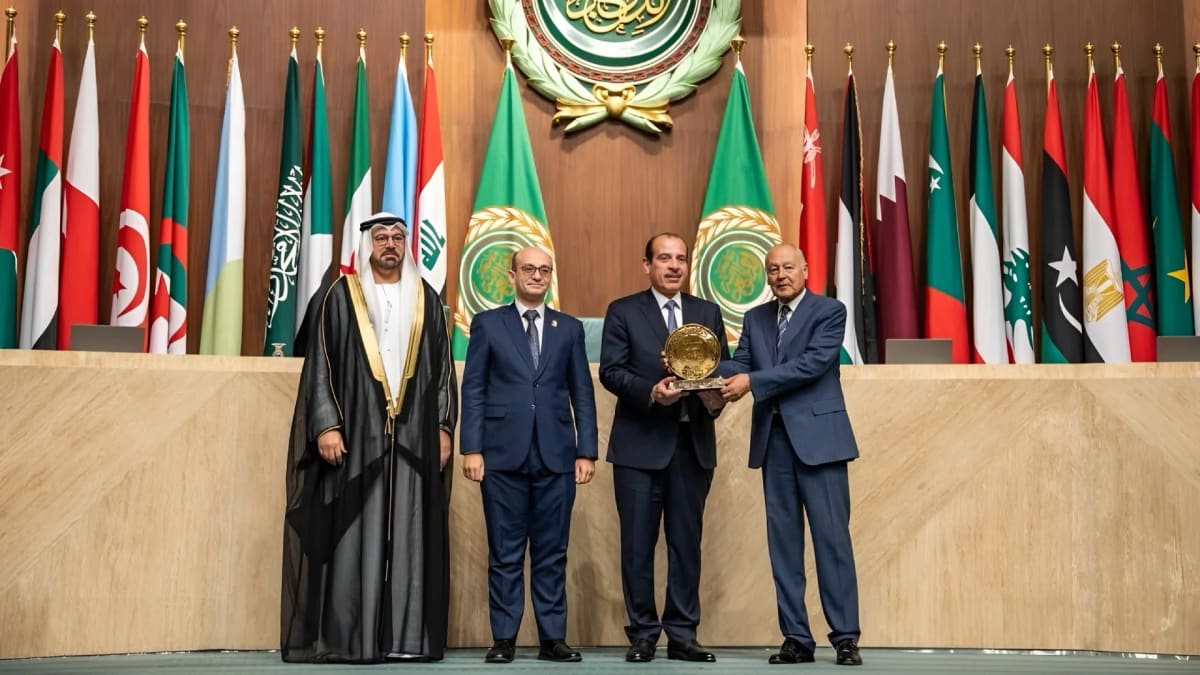
The World Health Organization (WHO) celebrated six global health champions at the 79th World Health Assembly in Geneva, honoring their groundbreaking contributions to primary healthcare, disease control, and healthy ageing. The awards, presented by WHO Director General Dr. Tedros Adhanom Ghebreyesus and Assembly President Dr. Víctor Elias Atallah Lajam, recognized individuals and institutions whose work has expanded access to essential health services for the most vulnerable populations. This year's laureates were selected from nearly 100 nominations across all six WHO regions, reflecting a growing global commitment to public health excellence and equity.
What Happened
The 79th World Health Assembly in Geneva marked a milestone in global health recognition, with the WHO presenting its annual public health prizes to six laureates whose work has redefined primary healthcare delivery and promoted health equity. The awards ceremony, held under the theme "Together for health. Stand with science", highlighted the critical role of community driven health initiatives, innovative ageing care strategies, and disease control efforts in underserved populations.
Clinical Significance and Public Health Impact
The 2026 prizes underscore the WHO's commitment to advancing the Sustainable Development Goals by strengthening primary healthcare systems, a cornerstone of universal health coverage. The laureates' achievements span critical areas: from empowering rural communities in Mali to transforming healthcare access for stateless populations in Thailand, and pioneering age friendly care models in France and Singapore. Their work directly addresses global health inequities, particularly in low resource settings where marginalized groups often face systemic barriers to care.
One of the most notable recognitions this year was the Dr. LEE Jong wook Memorial Prize for Public Health, awarded posthumously to Professor Mohammad Abul Faiz of Bangladesh. The prize honors Dr. Faiz's lifelong dedication to combating diseases affecting rural and impoverished communities, a testament to the enduring legacy of Dr. LEE Jong wook, WHO's former Director General, who passed away during the 2006 World Health Assembly.
Meet the 2026 Laureates
The Sasakawa Health Prize was awarded to the Banconi Community Health Association (ASACOBA) in Mali for its pioneering role in strengthening community based primary healthcare. By empowering local health workers and tailoring services to underserved populations, ASACOBA has become a model for sustainable healthcare delivery in West Africa.
The United Arab Emirates Health Foundation Prize recognized Dr. Worawit Tontiwattanasap of Thailand for his transformative work in expanding healthcare access for rural, stateless, and cross border populations. Through mobile clinics, training programs, and policy advocacy, Dr. Tontiwattanasap has bridged critical gaps in healthcare access, particularly for migrant workers and marginalized groups.
The State of Kuwait Health Promotion Foundation's His Highness Sheikh Sabah Al Ahmad Al Jaber Al Sabah Prize for the Promotion of Healthy Ageing was awarded to two recipients: Professor Bruno Vellas of France and SingHealth in Singapore. Professor Vellas was recognized for his innovative, community based approaches to elderly care, while SingHealth was honored for its integrated strategies that create age friendly environments and support healthy ageing across communities.
The Nelson Mandela Award for Health Promotion went to Dr. Amr Mohamed Kandeel of Egypt for his leadership in building a prevention oriented public health system. Dr. Kandeel's work integrates digital innovation, disease control, and equity to create resilient health systems that prioritize early intervention and community resilience.
Who May Be Affected
The impact of these laureates' work extends far beyond national borders, benefiting vulnerable populations in low and middle income countries where healthcare systems are often under resourced. Their initiatives directly improve health outcomes for:
- Rural and remote communities lacking access to primary care.
- Stateless and migrant populations facing legal and financial barriers to healthcare.
- Older adults requiring specialized, community centered care models.
- Marginalized groups disproportionately affected by preventable diseases.
Government and WHO Response
The WHO's annual public health prizes serve as both a recognition of excellence and a call to action for Member States to prioritize primary healthcare and health equity. The selection process, which involves nominations from WHO Member States and former laureates, ensures that the awards reflect a broad consensus on what constitutes transformative public health leadership.
Over the past 15 years, more than 80 laureates from over 50 countries have received these honors, with the 2026 cohort representing a record number of nominations. The WHO Executive Board designates the winners, and the awards are presented during the plenary session of the World Health Assembly, amplifying the visibility of these critical health initiatives on the global stage.
Prevention and Safety Guidance
While the WHO prizes celebrate existing achievements, they also highlight the urgent need for sustained investment in primary healthcare to address emerging global health challenges. Key priorities include:
- Strengthening community health systems: Expanding the role of community health workers and local organizations to deliver primary care in underserved areas.
- Addressing health inequities: Implementing policies that remove financial and structural barriers to healthcare access for marginalized populations.
- Promoting healthy ageing: Developing integrated care models that support older adults in maintaining independence and quality of life.
- Leveraging digital innovation: Using technology to improve disease surveillance, health education, and service delivery in remote and low resource settings.
What Readers Should Know
The WHO's public health prizes are more than symbolic honors; they are a testament to the power of innovation, community engagement, and political will in transforming global health. For policymakers, healthcare providers, and advocates, the 2026 laureates offer valuable lessons in designing health systems that are inclusive, resilient, and responsive to the needs of all populations.
The awards also underscore the importance of international collaboration in addressing global health challenges. By recognizing achievements from diverse regions and contexts, the WHO reinforces the idea that health equity is not a distant goal but an achievable reality through collective effort and sustained commitment.
Key Takeaways
- The WHO's 2026 public health prizes honor six global leaders and institutions for their transformative work in primary healthcare, healthy ageing, and health equity.
- Laureates were selected from nearly 100 nominations across all six WHO regions, reflecting a growing global commitment to public health excellence.
- Their initiatives directly benefit rural, stateless, migrant, and older adult populations, addressing critical gaps in healthcare access and delivery.
- The awards highlight the urgent need for sustained investment in primary healthcare to achieve universal health coverage and health equity.
Frequently Asked Questions
How are the WHO public health prize winners selected?
Winners are nominated by WHO Member States and former laureates, then reviewed by selection panels composed of representatives from prize foundations and WHO Executive Board members. The WHO Executive Board designates the final winners, who are announced during the World Health Assembly.
What is the significance of the Dr. LEE Jong wook Memorial Prize?
The prize honors the legacy of Dr. LEE Jong wook, WHO's former Director General, who passed away during the 2006 World Health Assembly. It recognizes outstanding contributions to public health, particularly in addressing diseases affecting vulnerable populations.
How do the laureates' initiatives address global health inequities?
The laureates' work focuses on expanding healthcare access for marginalized groups, including rural communities, stateless populations, and older adults. Their strategies prioritize community driven solutions, policy advocacy, and innovative care models to reduce disparities in health outcomes.
What role does the WHO play in promoting primary healthcare?
The WHO leads global efforts to strengthen primary healthcare systems as a foundation for universal health coverage. Through initiatives like the public health prizes, the organization highlights best practices, fosters collaboration, and advocates for policies that prioritize equitable healthcare access.
Medical Review: MedSense Editorial Board








DISCUSSION (0)
POST A COMMENT