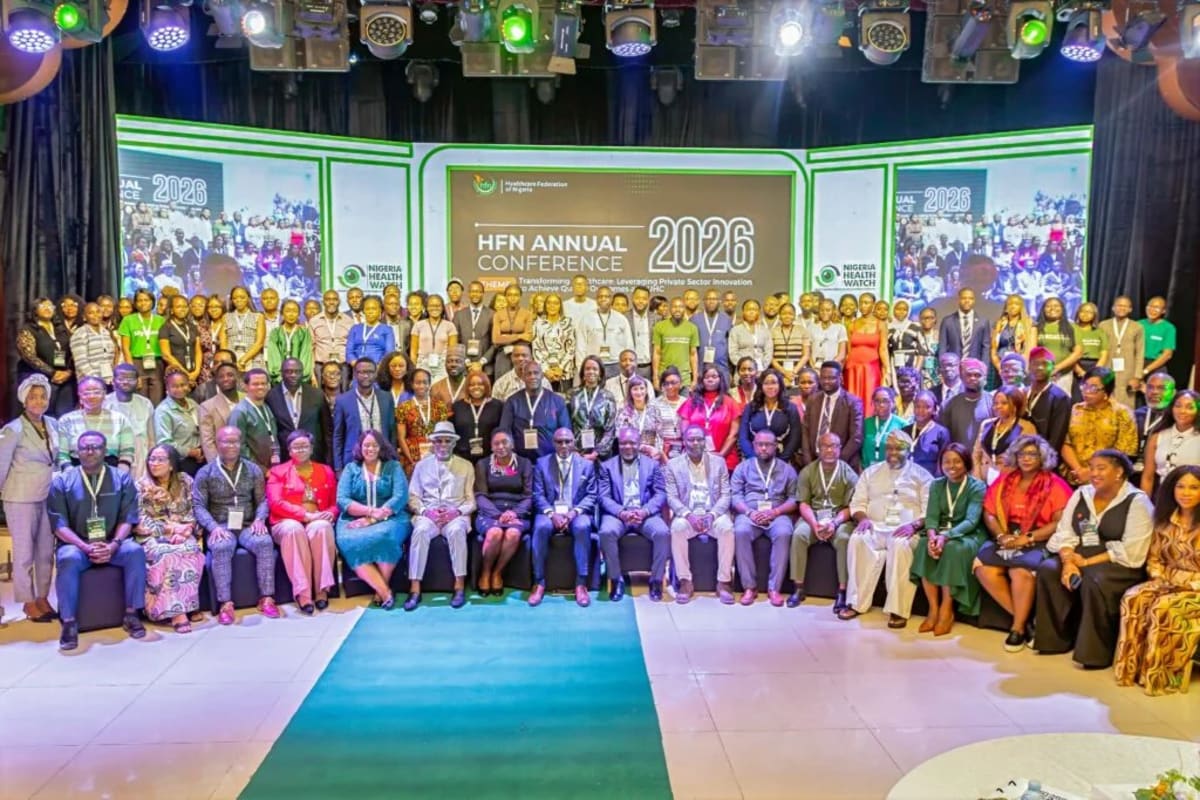
Nigeria’s ambition to deliver universal health coverage (UHC) by 2030 faces a critical inflection point, according to experts at the Healthcare Federation of Nigeria’s (HFN) 2026 conference. The event, which brought together policymakers, private sector leaders, and health advocates, delivered a clear warning: the country cannot rely solely on government funding or market driven solutions. Instead, a structured, collaborative framework that integrates regulation, data transparency, innovation, and accountability is essential to bridge the funding gap and ensure equitable access to care. With Nigeria’s health sector under strain from rising costs and uneven service distribution, the conference served as a reality check on the practical steps needed to turn policy into progress.
What Happened at the HFN 2026 Conference
The Healthcare Federation of Nigeria’s annual conference in 2026 became a pivotal forum for redefining Nigeria’s approach to universal health coverage (UHC). Unlike previous discussions that focused on isolated funding models or sectoral reforms, this year’s event emphasized the necessity of a unified strategy. Speakers from government agencies, private healthcare providers, and international partners highlighted the limitations of siloed efforts, noting that neither public funding alone nor unregulated private investment could sustainably expand access to essential health services. The conference underscored the need for a "disciplined framework", one that aligns financial incentives, regulatory oversight, and technological innovation to create a cohesive health ecosystem.
Why Public Health Officials Are Concerned
Nigeria’s health sector remains one of the most underfunded in Africa, with public health spending hovering around 3.5% of GDP, well below the 15% target set by the Abuja Declaration. At the same time, private sector investment, while growing, often prioritizes urban, profit driven services over rural and preventive care. Public health officials warn that without a coordinated approach, the country risks deepening disparities in healthcare access, particularly for low income populations. The HFN conference identified three critical gaps: inconsistent funding mechanisms, weak regulatory enforcement, and a lack of standardized data systems that hinder effective planning and accountability.
Symptoms or Risk Factors in Nigeria’s Health System
The strain on Nigeria’s health system manifests in several ways. First, the country faces a severe shortage of healthcare workers, with estimates suggesting a deficit of over 200,000 doctors and nurses. Second, out of pocket spending accounts for more than 70% of total health expenditure, pushing millions into poverty due to medical bills. Third, regional disparities are stark: while states like Lagos and Rivers have relatively better infrastructure, rural areas often lack even basic facilities. These challenges are exacerbated by the rapid rise of non communicable diseases, such as diabetes and hypertension, which place additional burdens on an already fragile system.
Who May Be Affected
The consequences of Nigeria’s UHC challenges extend beyond the health sector. Low income families, who spend disproportionate amounts on healthcare, are particularly vulnerable to financial hardship. Small and medium sized enterprises (SMEs) also bear the brunt, as employee absenteeism due to illness reduces productivity. Meanwhile, private healthcare providers struggle with regulatory uncertainty and inconsistent reimbursement policies, which discourage investment in underserved areas. The conference highlighted that women and children, who often face barriers to accessing maternal and child health services, are among the most affected groups. Without targeted interventions, these disparities could widen, undermining Nigeria’s broader economic and social development goals.
Government and WHO Response
In response to these challenges, Nigeria’s Federal Ministry of Health has begun piloting hybrid financing models that blend public funds with private sector contributions. The National Health Insurance Authority (NHIA) is expanding coverage under the Basic Health Care Provision Fund (BHCPF), though implementation remains uneven across states. The World Health Organization (WHO) has reiterated its support for Nigeria’s UHC goals, emphasizing the need for stronger governance and data systems. At the HFN conference, WHO representatives called for a "whole of society approach," urging collaboration between federal agencies, state governments, and private actors to align resources and priorities. However, progress is slow, with critics pointing to bureaucratic delays and insufficient political will as major obstacles.
Prevention and Safety Guidance for Stakeholders
To accelerate progress toward UHC, experts at the HFN conference outlined actionable steps for policymakers and private sector leaders. First, they recommended establishing a national health financing strategy that clearly defines roles for public and private sectors, including mechanisms for risk sharing and cross subsidization. Second, they stressed the importance of strengthening primary healthcare, which serves as the backbone of any UHC system. Third, they called for the adoption of digital health tools, such as electronic health records and telemedicine, to improve efficiency and transparency. Finally, they urged the development of a robust monitoring and evaluation framework to track progress and hold stakeholders accountable. For private providers, the conference advised aligning business models with public health goals, such as investing in community based clinics and preventive care programs.
What Readers Should Know
Nigeria’s UHC journey is not just a health policy issue, it is a test of the country’s ability to unite diverse stakeholders around a shared vision. The HFN 2026 conference made it clear that sustainable progress requires more than good intentions; it demands disciplined execution, transparent governance, and a willingness to challenge the status quo. For citizens, this means advocating for policies that prioritize equity and accountability. For private sector actors, it means recognizing that profitability and public health are not mutually exclusive. And for policymakers, it means moving beyond rhetoric to deliver tangible reforms. The path forward is complex, but the alternative, a fragmented, underfunded health system, is far costlier in the long run.
Key Takeaways
- Nigeria’s UHC goals cannot be achieved without a structured public private partnership framework that aligns funding, regulation, and innovation.
- The country’s health system faces critical gaps in workforce shortages, out of pocket spending, and regional disparities, which disproportionately affect low income populations.
- Strengthening primary healthcare, adopting digital health tools, and improving data systems are essential steps to bridge the UHC funding gap.
- Stakeholders must prioritize accountability and transparency to ensure that reforms translate into measurable improvements in healthcare access and quality.
Frequently Asked Questions
What is the Abuja Declaration, and why does Nigeria fall short of its funding target?
The Abuja Declaration is a 2001 commitment by African Union member states to allocate at least 15% of their annual budgets to health. Nigeria currently spends around 3.5% of its GDP on health, far below this target, due to competing budget priorities, economic constraints, and inefficiencies in fund utilization.
How can private sector investment in healthcare benefit Nigeria’s UHC goals?
Private sector investment can complement public funding by expanding service delivery in underserved areas, introducing innovative technologies, and improving efficiency. However, it must be guided by regulatory frameworks that ensure affordability, quality, and equity to avoid exacerbating disparities.
What role does digital health play in achieving UHC in Nigeria?
Digital health tools, such as electronic health records and telemedicine, can improve access to care, streamline administrative processes, and enhance data driven decision making. They are particularly valuable in bridging gaps in rural and remote areas where healthcare infrastructure is limited.
What are the biggest obstacles to Nigeria’s UHC progress?
Key obstacles include inconsistent funding, weak regulatory enforcement, a shortage of healthcare workers, and bureaucratic delays. Additionally, political will and cross sector collaboration remain inconsistent, slowing the implementation of reforms.
Medical Review: MedSense Editorial Board








DISCUSSION (0)
POST A COMMENT