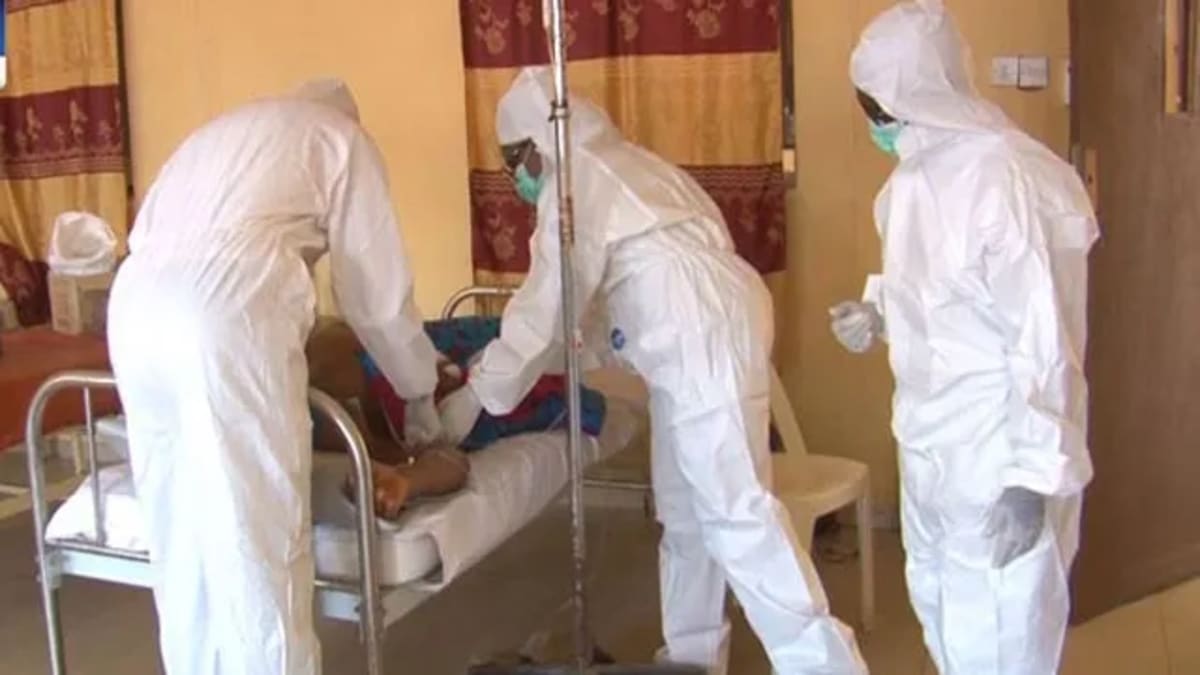
Nigeria is grappling with a worsening Lassa fever outbreak, as the death toll climbed to 191 last week, according to the Nigeria Centre for Disease Control and Prevention (NCDC). The virus has now spread to 23 states, affecting 106 local government areas, with health authorities raising alarms over late presentations of cases in communities. The NCDC warns that delayed medical intervention is contributing to preventable deaths, underscoring the urgent need for improved public awareness and healthcare access. Lassa fever, an acute viral hemorrhagic illness, has historically posed a significant public health challenge in Nigeria, particularly during the dry season. This year’s outbreak has disproportionately impacted young adults aged 21 to 30, though cases span all age groups from infants to the elderly. With a median age of 30 among confirmed cases, the NCDC’s latest data paints a concerning picture of a disease that continues to exploit gaps in early detection and treatment.
What Happened
The Nigeria Centre for Disease Control and Prevention (NCDC) reported a sharp rise in Lassa fever fatalities, with 191 deaths recorded as of last week. The outbreak has now reached 23 states, spanning 106 local government areas, marking one of the most widespread surges in recent years. The NCDC’s latest epidemiological data highlights a troubling trend: many patients are arriving at treatment centers too late, often after the disease has progressed to severe stages, where survival rates drop significantly.
Why Public Health Officials Are Concerned
Lassa fever is endemic in Nigeria, but this year’s outbreak has raised particular alarm due to its rapid spread and high fatality rate. The NCDC attributes the rising death toll to delayed medical care, which reduces the effectiveness of available treatments, such as the antiviral drug ribavirin. The disease’s Case Fatality Rate (CFR) remains a critical concern, as it reflects not only the virulence of the virus but also systemic challenges in healthcare access and public awareness.
The 21 to 30 age group has been the hardest hit, though cases have been confirmed across all demographics, from a one year old to a 90 year old. This broad age distribution suggests that the virus is not confined to specific risk groups but is circulating widely in communities, likely due to rodent exposure, poor sanitation, and limited healthcare infrastructure in rural and underserved areas.
Symptoms or Risk Factors
Lassa fever is transmitted to humans primarily through contact with the urine or feces of infected multimammate rats, the natural reservoir of the virus. Human to human transmission can also occur, particularly in healthcare settings with inadequate infection control measures. Early symptoms often mimic those of malaria or other febrile illnesses, including fever, headache, sore throat, and general weakness. As the disease progresses, patients may experience vomiting, diarrhea, facial swelling, and bleeding from the mouth, nose, or other orifices.
Without prompt treatment, Lassa fever can lead to severe complications, such as hearing loss, tremors, encephalitis, and organ failure. The NCDC emphasizes that early diagnosis and supportive care, including rehydration and symptom management, are critical to improving survival rates.
Who May Be Affected
While the outbreak has affected individuals across all age groups, young adults aged 21 to 30 remain the most vulnerable, accounting for a significant proportion of confirmed cases. Healthcare workers are also at heightened risk, particularly in settings where infection prevention and control protocols are not strictly followed. Rural communities, where rodent infestations are more common and access to healthcare is limited, face the greatest burden of the disease.
Government or WHO Response
The NCDC has intensified its surveillance and response efforts, working with state health authorities to trace contacts, isolate cases, and provide treatment. The agency has also ramped up public awareness campaigns, urging communities to adopt preventive measures, such as proper food storage, rodent control, and early reporting of symptoms. However, challenges remain, including limited diagnostic capacity in some regions and the need for sustained funding to support outbreak response activities.
The World Health Organization (WHO) has previously supported Nigeria’s Lassa fever response, including the deployment of experts and the provision of medical supplies. While there is no specific mention of WHO involvement in the current outbreak, the organization’s guidelines on infection prevention and control remain a cornerstone of Nigeria’s response strategy.
Prevention and Safety Guidance
Preventing Lassa fever hinges on reducing exposure to rodents and improving hygiene practices. The NCDC recommends the following measures:
- Avoid contact with rats and their excreta. Store food in rodent proof containers and dispose of garbage far from the home.
- Maintain clean households and surroundings to discourage rodent infestations.
- Practice regular handwashing with soap and water, especially before handling food.
- Healthcare workers should adhere to standard infection prevention and control practices, including the use of personal protective equipment (PPE) when caring for suspected or confirmed cases.
- Seek medical attention immediately if symptoms such as fever, headache, or general weakness develop, particularly if there has been potential exposure to rodents.
What Readers Should Know
Lassa fever is a preventable and treatable disease, but its high fatality rate in Nigeria underscores the importance of early detection and access to care. The current outbreak serves as a stark reminder of the need for sustained investment in public health infrastructure, community education, and healthcare worker training. For individuals in affected regions, vigilance and adherence to preventive measures can significantly reduce the risk of infection.
While the NCDC continues to lead the response, the success of these efforts depends on the collective action of all stakeholders, including government agencies, healthcare providers, and communities. As the outbreak evolves, staying informed and proactive remains the best defense against this persistent public health threat.
Key Takeaways
- Nigeria has recorded 191 Lassa fever deaths in 2024, with cases confirmed in 23 states and 106 local government areas.
- Delayed medical care is driving preventable deaths, as patients often arrive at treatment centers too late for effective intervention.
- The 21 to 30 age group is the most affected, though cases span all ages, highlighting the virus’s widespread circulation in communities.
- Prevention focuses on rodent control, proper food storage, hygiene practices, and early symptom reporting to healthcare providers.
- Healthcare workers must adhere to strict infection prevention and control measures to reduce the risk of human to human transmission.
Frequently Asked Questions
What is Lassa fever and how is it transmitted?
Lassa fever is an acute viral hemorrhagic illness caused by the Lassa virus. It is primarily transmitted to humans through contact with the urine or feces of infected multimammate rats. Human to human transmission can occur, particularly in healthcare settings with poor infection control practices.
What are the symptoms of Lassa fever?
Early symptoms include fever, headache, sore throat, and general weakness, which can resemble malaria or other febrile illnesses. As the disease progresses, patients may experience vomiting, diarrhea, facial swelling, and bleeding from the mouth or nose. Severe cases can lead to organ failure and death.
Who is most at risk during this outbreak?
Young adults aged 21 to 30 are the most affected group, though cases have been reported across all age groups. Healthcare workers and individuals in rural communities with poor sanitation and rodent infestations are also at heightened risk.
How can Lassa fever be prevented?
Prevention involves reducing rodent exposure by storing food in rodent proof containers, maintaining clean households, and practicing regular handwashing. Healthcare workers should use personal protective equipment (PPE) when caring for suspected or confirmed cases.
Is there a treatment for Lassa fever?
There is no specific cure for Lassa fever, but early supportive care, including rehydration and symptom management, can improve survival rates. The antiviral drug ribavirin has shown effectiveness when administered early in the course of the disease.
Medical Review: MedSense Editorial Board









DISCUSSION (0)
POST A COMMENT