What Happened
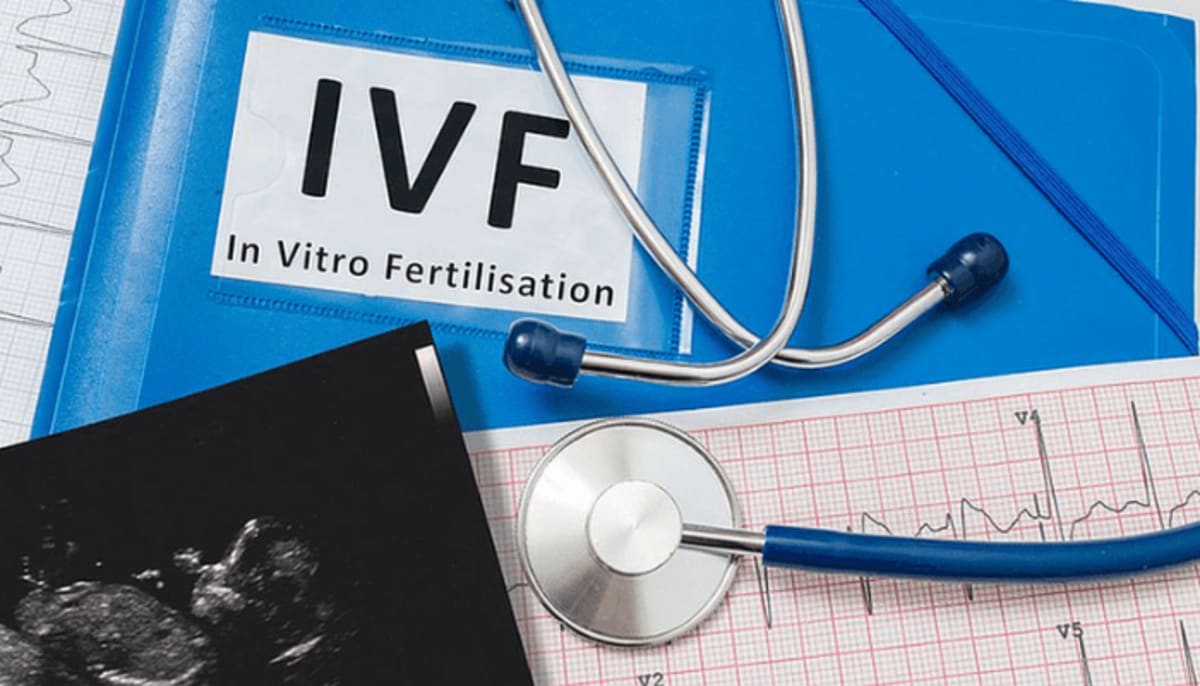
The Wilson Initiative, in collaboration with local fertility clinics, provided twelve Nigerian couples with subsidized IVF treatment, reducing the financial burden that typically accompanies such procedures. While the exact subsidy amount has not been disclosed, reports indicate the initiative covered a substantial portion of the costs, which can exceed 1.5 million naira (approximately 1,000 USD) per cycle in private clinics. For context, Nigeria’s minimum wage stands at 30,000 naira per month, making IVF financially unattainable for most working class families.
Why Public Health Officials Are Concerned
Infertility affects an estimated 10 to 15 percent of couples in Nigeria, a figure consistent with global prevalence rates. Yet, unlike in high income countries where IVF is often covered by insurance or national health programs, Nigerian couples face a stark reality: fertility care is a luxury. The lack of public funding or insurance coverage for ART has created a two tiered system where only the affluent can pursue treatment, leaving millions to navigate the emotional and social consequences of childlessness without support.
Public health advocates highlight another layer of complexity: the cultural stigma surrounding infertility in many African societies. Women, in particular, often bear the brunt of blame and social exclusion, even when male factor infertility is the cause. The absence of accessible treatment options exacerbates this burden, pushing couples into cycles of despair, financial strain, and, in some cases, harmful traditional remedies.
Who May Be Affected
The financial barriers to IVF disproportionately impact low and middle income families, who make up the majority of Nigeria’s population. Urban residents may have slightly better access to private clinics, but even in cities like Lagos or Abuja, the cost of a single IVF cycle can equal the annual income of a schoolteacher or civil servant. Rural populations face even greater challenges, with limited access to fertility specialists and long distances to travel for care.
Beyond economic constraints, the lack of regulation in Nigeria’s fertility sector poses additional risks. Unaccredited clinics, unproven treatments, and exploitative pricing practices have been reported, further complicating the landscape for couples desperate for solutions. The Wilson Initiative’s model, which partners with reputable clinics, offers a potential blueprint for ensuring both affordability and quality care.
Government and Institutional Response
Nigeria’s federal government has yet to implement policies to subsidize or regulate fertility treatments, despite repeated calls from medical associations and advocacy groups. In 2022, the Society for Assisted Reproductive Technology in Nigeria (SARTN) proposed a national framework to standardize IVF practices and explore public private partnerships to improve access. However, progress has been slow, with funding and political will cited as major obstacles.
Internationally, organizations like the World Health Organization (WHO) have recognized infertility as a public health issue, urging countries to integrate fertility care into their health systems. The WHO’s 2023 guidelines on infertility management emphasize the need for equitable access, particularly in regions where cultural and financial barriers are most pronounced. Nigeria’s experience aligns with these global calls, though local action remains limited.
Prevention and Safety Guidance
For couples considering fertility treatment, experts recommend the following steps to ensure safety and informed decision making:
- Verify clinic accreditation: Seek treatment only at facilities certified by recognized bodies such as SARTN or the Association for Fertility and Reproductive Health (AFRH).
- Understand the costs upfront: Request a detailed breakdown of fees, including medications, procedures, and potential additional cycles. Avoid clinics that pressure couples into unnecessary treatments or add hidden charges.
- Explore financial assistance: Some clinics offer payment plans or sliding scale fees. Nonprofit organizations and faith based groups occasionally provide grants or subsidies for fertility care.
- Prioritize emotional support: Infertility can take a toll on mental health. Couples are encouraged to seek counseling or join support groups to navigate the emotional challenges of treatment.
- Be wary of unproven remedies: Traditional or alternative treatments lacking scientific validation may not only waste money but also pose health risks. Consult a licensed fertility specialist before pursuing any intervention.
What Readers Should Know
The Wilson Initiative’s effort, while small in scale, signals a growing recognition of the need for affordable fertility care in Nigeria. However, systemic change will require broader policy interventions, including government subsidies, insurance coverage, and public awareness campaigns to reduce stigma. For now, couples facing infertility must navigate a fragmented and costly system, but initiatives like this offer a rare lifeline.
For those unable to access IVF, other options may include adoption or fostering, though these pathways also come with their own challenges in Nigeria’s legal and social landscape. Public health experts stress that infertility is not a personal failure but a medical condition deserving of compassionate and equitable care. As the conversation around fertility access gains momentum, the hope is that more couples will find the support they need to build their families.
Key Takeaways
- Infertility affects 10 to 15 percent of Nigerian couples, but IVF remains financially out of reach for most due to high costs and lack of insurance coverage.
- The Wilson Initiative provided subsidized IVF to twelve couples, highlighting both the potential for private sector solutions and the need for systemic policy changes.
- Cultural stigma, unregulated clinics, and economic disparities exacerbate the challenges faced by infertile couples in Nigeria, particularly women.
- Experts recommend verifying clinic accreditation, understanding costs upfront, and seeking emotional support when pursuing fertility treatment.
Frequently Asked Questions
How much does IVF typically cost in Nigeria?
A single IVF cycle in Nigeria can cost between 1.5 million to 3 million naira (approximately 1,000 to 2,000 USD), depending on the clinic and required medications. This is far beyond the reach of most Nigerians, given the country’s minimum wage of 30,000 naira per month.
Are there any government programs in Nigeria that cover IVF costs?
Currently, Nigeria has no government funded programs or insurance coverage for IVF or other assisted reproductive technologies. Couples must pay out of pocket or rely on rare private initiatives like the Wilson Initiative.
What are the risks of seeking IVF treatment at unaccredited clinics?
Unaccredited clinics may lack proper medical oversight, increasing the risk of failed procedures, infections, or exploitation. Some may offer unproven treatments or add hidden fees. Always verify a clinic’s certification with bodies like SARTN or AFRH before proceeding.
What alternatives exist for couples who cannot afford IVF?
Alternatives include adoption, fostering, or exploring less expensive fertility treatments like intrauterine insemination (IUI). However, these options also come with challenges, including legal hurdles for adoption and varying success rates for IUI.
How can couples cope with the emotional stress of infertility?
Infertility can take a significant toll on mental health. Couples are encouraged to seek counseling, join support groups, or connect with organizations that specialize in infertility related emotional support. Open communication with partners and healthcare providers is also crucial.
Medical Review: MedSense Editorial Board








DISCUSSION (0)
POST A COMMENT