What Happened
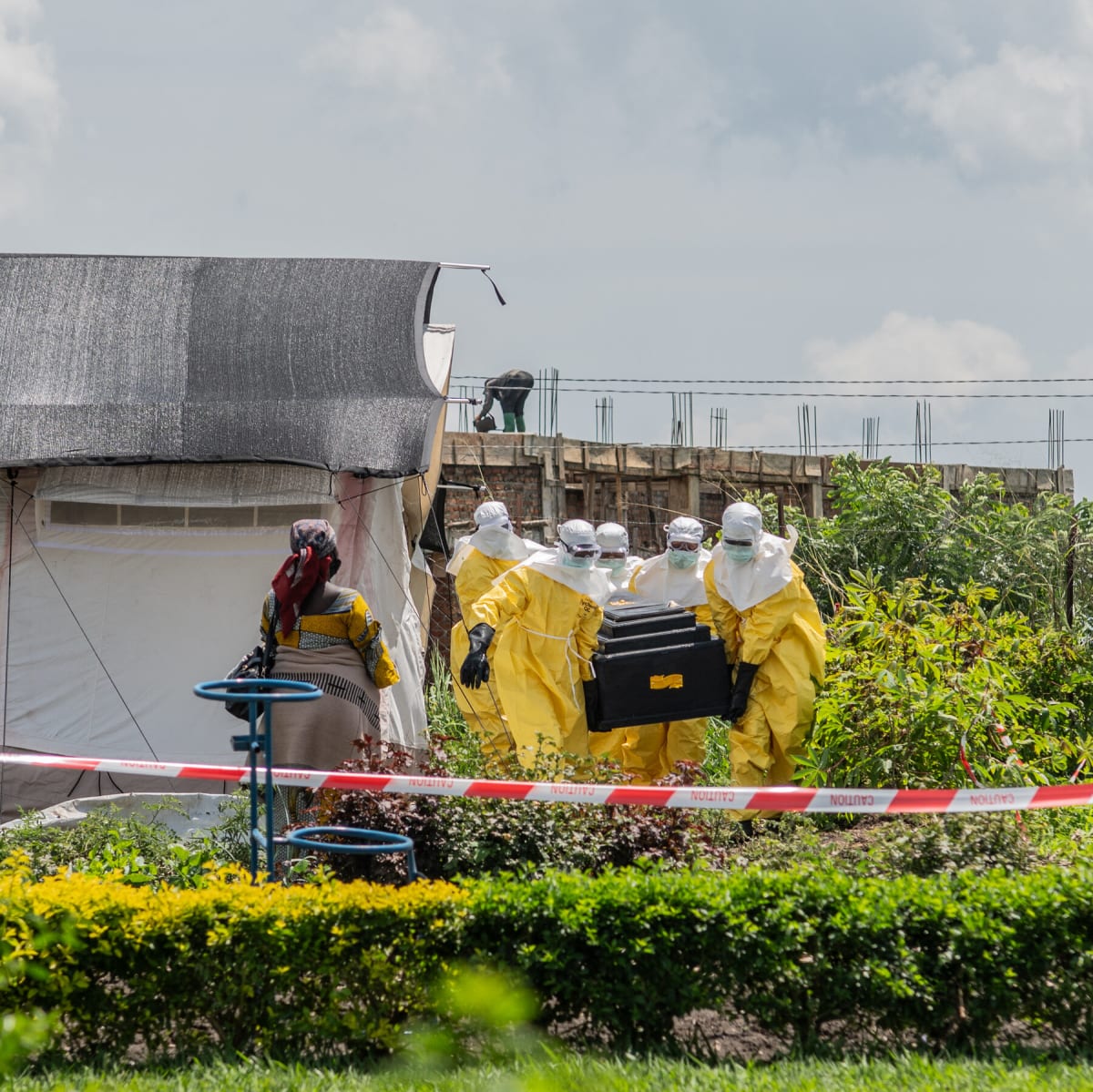
The latest Ebola outbreak, declared in the Democratic Republic of the Congo in late August, has spread to neighboring Uganda, marking the first cross border transmission of the virus in the region since 2019. While the case count remains relatively low, fewer than 50 confirmed cases as of early September, the response has been marred by delays in vaccine distribution, logistical hurdles, and accusations of bureaucratic inertia. The Africa CDC, established in 2017 to strengthen the continent’s pandemic preparedness, has come under fire for what some describe as a sluggish and fragmented approach to coordinating regional efforts.
Why Public Health Officials Are Concerned
The Ebola virus, with a fatality rate of up to 90% in past outbreaks, demands rapid containment to prevent catastrophic spread. Yet, the current response has exposed persistent gaps in global health architecture. Vaccines, proven effective during the 2014 2016 West Africa epidemic, have been slow to reach affected communities, with reports of doses arriving weeks after the first cases were confirmed. Meanwhile, international donors and Western led health agencies have been criticized for prioritizing their own pandemic preparedness, such as stockpiling vaccines for potential outbreaks in Europe or North America, over equitable distribution to high risk regions.
Dr. John Nkengasong, former director of the Africa CDC, warned in a recent interview with The Lancet that the world’s focus on COVID 19 has left Africa’s health systems vulnerable. "We are seeing a repeat of the same mistakes," he said. "When outbreaks happen in Africa, the response is reactive, not proactive. When they happen in the Global North, the resources flow immediately." His comments reflect broader frustrations among African health leaders, who argue that the continent’s agencies are often treated as junior partners rather than equal stakeholders in global health security.
Who May Be Affected
The immediate impact of the outbreak is felt most acutely in rural communities in the DRC and Uganda, where healthcare infrastructure is already strained by conflict, poverty, and other infectious diseases like malaria and cholera. Health workers, often underpaid and overworked, face heightened risks of infection due to inadequate protective equipment. Beyond the region, the outbreak poses a threat to global health security, as unchecked transmission could lead to further spread, including to urban centers with international travel links.
For African nations, the crisis underscores the urgent need for self sufficiency in pandemic response. Many countries still rely on external funding and expertise for outbreak control, a model that has repeatedly failed to deliver timely interventions. The Africa CDC’s struggles highlight the challenges of building independent capacity in a system still dominated by Western institutions like the World Health Organization and the U.S. Centers for Disease Control and Prevention.
Government and WHO Response
The World Health Organization has declared the outbreak a "public health emergency of regional concern," a designation that unlocks additional funding and technical support. However, critics argue that such declarations often come too late to make a meaningful difference. The WHO has pledged to work closely with the Africa CDC to accelerate vaccine delivery and strengthen surveillance, but skepticism remains about whether these efforts will address the root causes of inequity.
African governments, meanwhile, are divided in their response. Some, like Uganda, have imposed travel restrictions and ramped up contact tracing, while others have been slower to act, citing limited resources. The Africa CDC has called for a unified continental strategy, but its ability to enforce coordination remains limited by funding constraints and political fragmentation.
Prevention and Safety Guidance
For communities in affected areas, prevention remains the best defense. Key measures include:
- Avoiding contact with bodily fluids of infected individuals, including through burial practices that involve washing or touching the deceased.
- Seeking immediate medical care for symptoms such as fever, severe headache, muscle pain, vomiting, diarrhea, or unexplained bleeding.
- Health workers should use personal protective equipment, including gloves, masks, and gowns, when treating suspected cases.
- Governments and NGOs are urged to prioritize community engagement, as mistrust of health authorities has historically hindered outbreak control efforts.
What Readers Should Know
The Ebola crisis is more than a public health emergency, it is a test of global solidarity and the effectiveness of Africa’s own health institutions. While the Africa CDC has made strides in building continental capacity, its response to this outbreak reveals how far it still has to go. For the international community, the question is whether this crisis will finally spur meaningful change in how health resources are allocated, or if it will be another footnote in a long history of unfulfilled promises.
For African citizens, the message is clear: the continent’s health security cannot depend on external actors alone. Strengthening local health systems, investing in research, and holding leaders accountable are critical steps toward a future where outbreaks are met with swift, equitable, and effective responses.
Key Takeaways
- The Ebola outbreak in Central Africa has exposed persistent inequities in global health response, with delayed vaccine distribution and resource disparities drawing criticism.
- The Africa CDC, despite its mandate to lead continental pandemic preparedness, faces scrutiny over its coordination and response speed, highlighting challenges in building independent health capacity.
- Community engagement and trust in health authorities remain critical to controlling Ebola, as historical mistrust has hindered past outbreak responses.
- The crisis underscores the need for African nations to prioritize self sufficiency in health security, rather than relying on external funding and expertise.
Frequently Asked Questions
Why is the Ebola outbreak in Africa causing global concern?
Ebola is a highly lethal virus with a history of rapid spread and high fatality rates. The current outbreak, crossing borders into Uganda, raises fears of wider transmission, particularly to urban areas with international travel connections. Additionally, the slow response has reignited debates about global health inequities and the need for equitable resource distribution.
What role does the Africa CDC play in the Ebola response?
The Africa CDC is responsible for coordinating regional outbreak responses, including vaccine distribution, surveillance, and technical support. However, its effectiveness has been questioned due to delays in mobilizing resources and perceived bureaucratic challenges, reflecting broader struggles in building independent health capacity on the continent.
How can communities protect themselves from Ebola?
Prevention focuses on avoiding contact with bodily fluids of infected individuals, practicing safe burial rituals, and seeking immediate medical care for symptoms like fever, vomiting, or unexplained bleeding. Health workers should use protective equipment, and governments must prioritize community engagement to build trust in health authorities.
What are the long term solutions to prevent future Ebola outbreaks?
Long term solutions include strengthening local health systems, investing in research and vaccine production in Africa, and ensuring equitable access to medical resources. Political commitment to health security, along with international cooperation, is essential to prevent future outbreaks from becoming regional or global crises.
Medical Review: MedSense Editorial Board








DISCUSSION (0)
POST A COMMENT