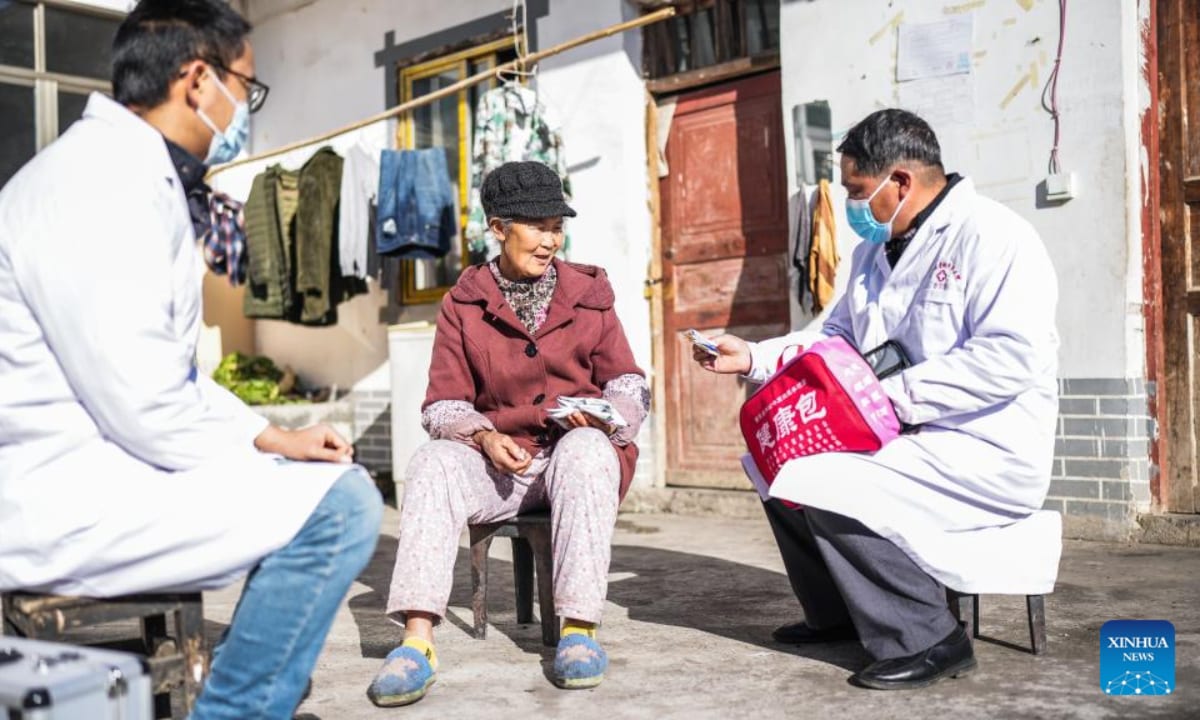
Three years after implementing the world's most stringent COVID 19 containment measures, China's healthcare system continues to grapple with uneven recovery patterns in medical service utilization. A comprehensive analysis published in PLOS Medicine by researchers from the Fred Hutch Cancer Center has quantified the lasting impact of Zero COVID policies on routine and emergency care across the country. The findings underscore a troubling disparity between urban and rural communities, with rural residents facing disproportionate barriers to accessing essential healthcare services. As the first nation to detect SARS CoV 2 and among the last to lift pandemic restrictions, China's experience offers critical insights into the collateral consequences of prolonged public health interventions on healthcare delivery systems.
What Happened
The study analyzed healthcare utilization trends from 2018 through 2023, comparing service delivery before, during, and after China's Zero COVID policy implementation. Researchers found that while urban healthcare facilities experienced a gradual return to pre pandemic service levels, rural clinics and hospitals continued to report significant declines in patient visits, diagnostic procedures, and elective procedures. The analysis covered both outpatient and inpatient care, revealing that routine medical services such as chronic disease management and preventive screenings remained particularly underutilized in rural areas.
Why Public Health Officials Are Concerned
Public health experts warn that the sustained reduction in healthcare utilization among rural populations could lead to delayed diagnoses of serious conditions, including cardiovascular diseases, diabetes, and cancers. The study's authors highlight that prolonged underuse of healthcare services may exacerbate existing health disparities and contribute to worse long term health outcomes for rural communities. Additionally, the findings suggest that the psychological and financial barriers created by pandemic policies may have permanently altered health seeking behaviors in these populations.
Symptoms or Risk Factors
While the study did not focus on specific medical conditions, researchers identified several risk factors associated with reduced healthcare access in rural China. These include limited availability of specialized medical personnel, longer travel distances to healthcare facilities, and financial constraints exacerbated by pandemic related economic disruptions. The analysis also noted that elderly populations and individuals with chronic illnesses were particularly affected by the decline in routine care.
Who May Be Affected
The findings have significant implications for rural residents across China, particularly those in economically disadvantaged regions where healthcare infrastructure was already strained before the pandemic. Older adults, individuals with pre existing health conditions, and low income families face the highest risk of missing critical medical interventions. The study suggests that these groups may experience compounded health challenges as a result of prolonged healthcare disruptions.
Government or WHO Response
While the Chinese government has not issued a formal response to the study's findings, public health officials have acknowledged ongoing challenges in rural healthcare delivery. The National Health Commission has previously emphasized efforts to strengthen primary care infrastructure in underserved regions, though critics argue that these measures have not yet addressed the systemic barriers identified in the analysis. International health organizations, including the World Health Organization, have called for sustained investment in rural healthcare systems to mitigate the long term consequences of pandemic related disruptions.
Prevention and Safety Guidance
To address the persistent gaps in healthcare access, experts recommend several targeted interventions. These include expanding telemedicine services to rural areas, increasing subsidies for transportation to healthcare facilities, and implementing community health worker programs to encourage routine medical check ups. Public health campaigns should prioritize raising awareness about the importance of preventive care and addressing misconceptions about healthcare safety that may have emerged during the pandemic.
What Readers Should Know
For rural residents in China, the study serves as a reminder that proactive engagement with healthcare services remains critical despite the easing of pandemic restrictions. Individuals should prioritize regular medical check ups, especially if they have chronic health conditions or are at higher risk for serious illnesses. Policymakers and healthcare providers must collaborate to address the structural barriers that continue to limit access to essential services in rural communities. The findings also highlight the need for long term monitoring of healthcare utilization trends to ensure that recovery efforts are equitable and sustainable.
Key Takeaways
- China's healthcare utilization has not fully rebounded after Zero COVID policies, with rural areas experiencing the most significant delays in medical services.
- Rural residents face disproportionate barriers to accessing essential healthcare, including chronic disease management and preventive screenings.
- Delayed diagnoses and underutilization of healthcare services could lead to worse long term health outcomes for rural populations.
- Experts recommend targeted interventions such as telemedicine expansion and community health worker programs to address persistent access gaps.
Frequently Asked Questions
What specific healthcare services were most affected in rural China after Zero COVID policies?
The study found that routine medical services such as chronic disease management, preventive screenings, and elective procedures experienced the most significant declines in rural areas. Outpatient and inpatient care utilization also remained below pre pandemic levels.
How might the prolonged underuse of healthcare services impact rural communities in the long term?
Public health experts warn that delayed diagnoses of serious conditions, such as cardiovascular diseases and cancers, could lead to worse health outcomes. The study suggests that prolonged underuse may exacerbate existing health disparities and contribute to compounded health challenges.
What steps can rural residents take to ensure they receive necessary healthcare despite ongoing access barriers?
Experts recommend prioritizing regular medical check ups, utilizing telemedicine services where available, and seeking support from community health workers. Public health campaigns should also address misconceptions about healthcare safety that may have emerged during the pandemic.
Has the Chinese government responded to the findings of this study?
While no formal response has been issued, public health officials have acknowledged ongoing challenges in rural healthcare delivery. The National Health Commission has emphasized efforts to strengthen primary care infrastructure, though critics argue these measures have not yet addressed systemic barriers.
Medical Review: MedSense Editorial Board









DISCUSSION (0)
POST A COMMENT