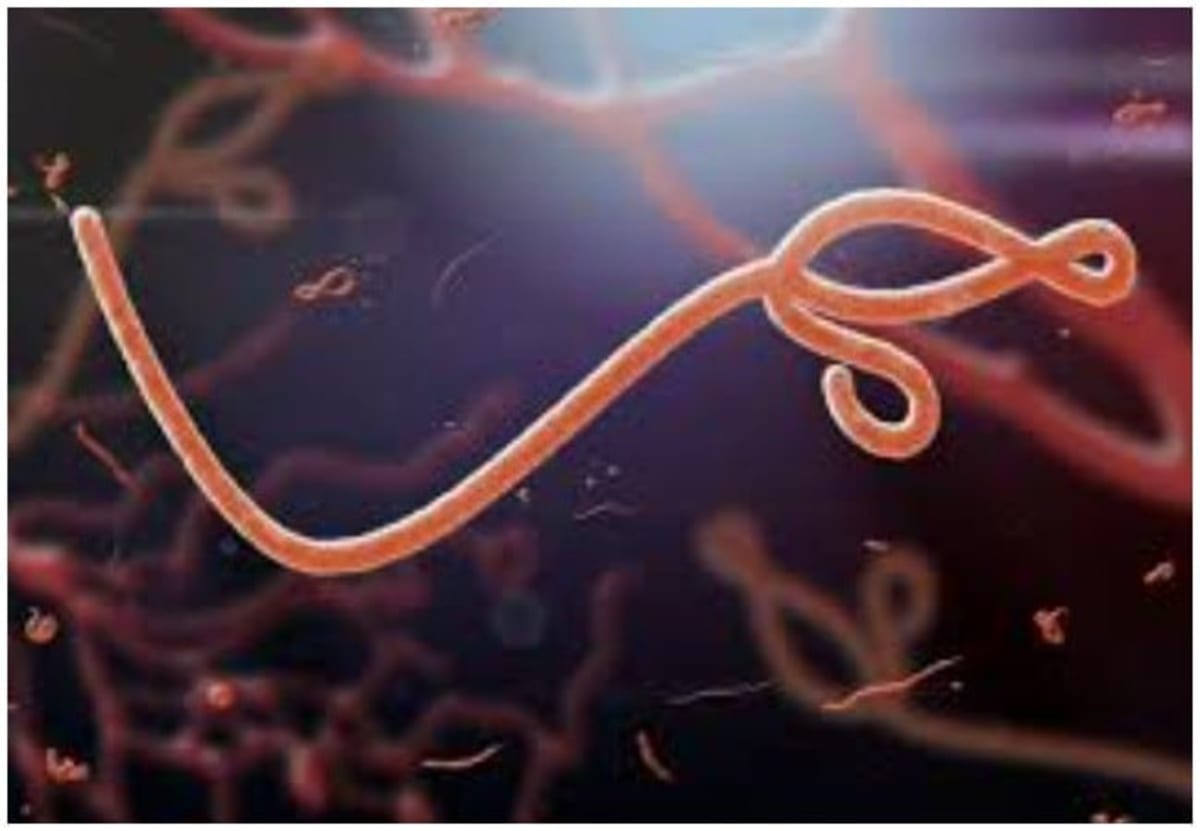
The World Health Organization has elevated the Bundibugyo ebolavirus outbreak in the Democratic Republic of Congo and Uganda to a Public Health Emergency of International Concern (PHEIC), signaling a critical juncture in the fight against one of the most lethal hemorrhagic fevers known to medicine.
This rare strain, first identified in Uganda in 2012, has resurfaced with a mortality rate approaching 50%, far exceeding that of many other Ebola variants. Unlike the more frequently reported Zaire ebolavirus, Bundibugyo presents unique challenges, including a prolonged incubation period and the potential for asymptomatic transmission, complicating early detection and containment efforts.
What Happened
The WHO’s emergency committee convened under the International Health Regulations (IHR) to assess the escalating threat posed by the Bundibugyo ebolavirus. The committee’s decision to declare a PHEIC reflects growing alarm over confirmed cases in both the DRC and Uganda, coupled with evidence of localized transmission in high-risk communities.
Health officials have documented multiple confirmed infections, with genetic sequencing confirming the presence of the Bundibugyo strain. The virus’s ability to spread silently through asymptomatic carriers has raised concerns among epidemiologists, who warn that undetected cases could seed new outbreaks in neighboring regions.
The declaration follows a pattern seen in past Ebola crises, where delayed international response has allowed outbreaks to spiral into humanitarian catastrophes. The WHO’s move aims to mobilize rapid financial, technical, and logistical support to prevent a repeat of the devastating 2014–2016 West African Ebola epidemic, which resulted in over 11,000 deaths.
Why Public Health Officials Are Concerned
The Bundibugyo ebolavirus is classified as a Risk Group 4 pathogen, the highest biosafety level assigned to infectious agents, due to its high fatality rate and lack of widely available vaccines or treatments. While less frequently encountered than the Zaire strain, Bundibugyo’s lethality and transmission dynamics make it a formidable public health threat.
Public health experts highlight several factors that elevate the risk of a regional crisis:
- Fragile health systems: Both the DRC and Uganda face significant challenges in healthcare infrastructure, including limited laboratory capacity, shortages of personal protective equipment (PPE), and under-resourced isolation units.
- Cross-border mobility: The porous borders between the DRC, Uganda, and neighboring countries facilitate the movement of people and goods, increasing the risk of viral spread beyond initial hotspots.
- Conflict and displacement: Ongoing insecurity in parts of the DRC has displaced millions, creating conditions where displaced populations may lack access to healthcare or public health messaging, further complicating outbreak control.
- Asymptomatic transmission: Unlike some Ebola strains, Bundibugyo can spread during the incubation period, when infected individuals exhibit no symptoms. This silent transmission undermines traditional containment strategies that rely on symptom-based detection.
The WHO has emphasized that the current outbreak is not yet at the scale of past Ebola disasters, but the potential for rapid escalation remains a pressing concern. The agency has called for $15 million in immediate funding to scale up response efforts, including enhanced surveillance, contact tracing, and community engagement.
Symptoms or Risk Factors
The clinical presentation of Bundibugyo ebolavirus infection mirrors that of other Ebola strains but includes several distinctive features that clinicians must consider in differential diagnosis:
- Early symptoms (2 to 21 days post-exposure):
- Sudden onset of high fever
- Severe headache and muscle pain
- Fatigue and general weakness
- Gastrointestinal symptoms, including nausea, vomiting, and diarrhea
- Advanced symptoms (as the disease progresses):
- Hemorrhagic manifestations, such as bleeding from the eyes, ears, or internal organs
- Neurological complications, including confusion, seizures, or coma
- Severe dehydration and electrolyte imbalances due to persistent vomiting and diarrhea
Healthcare providers are urged to maintain a high index of suspicion for Bundibugyo in patients presenting with febrile illness and a history of travel to affected regions or contact with wildlife. Early isolation and supportive care are critical to improving patient outcomes and preventing further transmission.
Who May Be Affected
While the current outbreak is concentrated in the DRC and Uganda, the risk of spread extends beyond these borders. Several populations are particularly vulnerable to infection and severe outcomes:
- Frontline healthcare workers: Those treating patients without adequate PPE or in facilities with poor infection control protocols are at heightened risk of exposure.
- Family caregivers: Individuals providing care to sick relatives, especially in home settings, face increased exposure to bodily fluids.
- Hunters and bushmeat consumers: Direct contact with infected wildlife, such as bats or non-human primates, remains a primary transmission route for Ebola viruses.
- Travelers and aid workers: Non-essential travel to affected areas should be avoided, and those working in high-risk settings must adhere to strict biosafety protocols.
- Communities in conflict zones: Displaced populations and those living in areas with limited access to healthcare are at greater risk of delayed diagnosis and treatment.
The WHO’s risk assessment indicates that the general population in unaffected regions faces low risk, provided they adhere to public health guidance and avoid high-risk behaviors. However, the potential for international spread underscores the need for global vigilance.
Government or WHO Response
The PHEIC declaration triggers a coordinated international response, guided by the WHO’s Global Outbreak Alert and Response Network (GOARN). Key actions underway include:
- Enhanced surveillance: Expanded laboratory testing and genomic sequencing to track the virus’s movement and identify transmission chains.
- Contact tracing: Deployment of trained teams to identify and monitor individuals exposed to confirmed cases, with mandatory quarantine where necessary.
- Community engagement: Partnerships with local leaders, religious groups, and civil society to disseminate accurate public health information and combat misinformation.
- Logistical support: Air transport of medical supplies, including PPE, diagnostic kits, and therapeutics, to affected areas.
- The WHO has partnered with UNICEF, Médecins Sans Frontières (MSF), and the International Federation of Red Cross and Red Crescent Societies (IFRC) to deliver critical aid.
- Funding appeals: The WHO has launched a $15 million appeal to support response efforts, with contributions sought from member states and private donors.
Regional health ministers from the DRC, Uganda, and neighboring countries have convened emergency meetings to coordinate cross-border surveillance and containment strategies. The Africa Centres for Disease Control and Prevention (Africa CDC) has also activated its Emergency Operations Center to support national health authorities.
Despite these efforts, significant challenges persist. Insecurity in parts of the DRC has hampered access to affected communities, while vaccine shortages and cold chain limitations complicate efforts to protect high-risk groups. The WHO has reiterated that time is of the essence, with experts warning that delays in response could allow the outbreak to spiral out of control.
Prevention and Safety Guidance
Preventing the spread of Bundibugyo ebolavirus requires a multi-layered approach, combining individual precautions with community-wide interventions. Here’s what you can do to protect yourself and others:
- Avoid high-risk areas: Non-essential travel to the DRC and Uganda should be postponed until the outbreak is declared contained by the WHO. Check travel advisories from your national health ministry or the WHO before planning any trips.
- Practice rigorous hygiene:
- Wash your hands frequently with soap and water for at least 20 seconds, or use alcohol-based hand sanitizers with at least 60% alcohol content.
- Avoid touching your face, especially your eyes, nose, and mouth, to reduce the risk of self-inoculation.
- Disinfect frequently touched surfaces, such as doorknobs, light switches, and mobile devices, using household cleaners.
- Adhere to infection control measures: If you are a healthcare worker or provide care to someone with a febrile illness, wear appropriate PPE, including gloves, masks, gowns, and eye protection. Ensure proper disposal of contaminated materials.
- Report suspicious symptoms immediately: Seek medical attention without delay if you develop a sudden fever, severe headache, or unexplained bleeding. Inform healthcare providers of your travel history or contact with wildlife.
- Support outbreak response efforts: Donate to verified organizations providing aid in the region, such as the WHO, UNICEF, MSF, or the IFRC. Financial contributions help fund critical supplies, staffing, and logistical support.
- Verify the legitimacy of any organization before donating, and prioritize those with a proven track record in Ebola response.
- Stay informed through official channels: Rely on updates from the WHO, Africa CDC, national health ministries, and reputable news outlets. Avoid sharing unverified information on social media, which can fuel panic and misinformation.
For healthcare facilities, the WHO recommends implementing strict infection control protocols, including:
- Isolation of suspected cases in dedicated units with negative pressure ventilation.
- Use of PPE for all staff entering patient care areas.
- Routine disinfection of surfaces and equipment.
- Training for staff on recognizing and managing Ebola cases.
What Readers Should Know
This outbreak serves as a stark reminder of the persistent threat posed by zoonotic diseases—pathogens that jump from animals to humans. Bundibugyo ebolavirus is believed to be maintained in animal reservoirs, likely fruit bats, and spillover events into human populations are likely to recur as human activity encroaches on natural habitats.
The current crisis also highlights the critical role of global health security in preventing pandemics. The WHO’s PHEIC declaration is not merely an administrative step; it is a call to action for governments, international organizations, and individuals to prioritize preparedness and response. The lessons learned from past Ebola outbreaks must guide the current response to ensure that history does not repeat itself.
For communities in affected regions, the outbreak underscores the importance of trust in public health systems. Misinformation and stigma can undermine containment efforts, while community engagement and transparent communication can save lives. Local leaders and healthcare workers play a pivotal role in disseminating accurate information and fostering cooperation.
Beyond the immediate threat, this outbreak raises broader questions about the global response to emerging infectious diseases. The international community must address systemic challenges, such as underfunded health systems, inequitable access to medical countermeasures, and the need for rapid vaccine development. The Bundibugyo strain may be rare, but its potential to cause devastation is a reminder that no country is immune to the threat of pandemics.
Key Takeaways
- The WHO has declared a Public Health Emergency of International Concern due to the spread of the Bundibugyo ebolavirus in the DRC and Uganda, a strain with a mortality rate approaching 50%.
- Bundibugyo’s prolonged incubation period and potential for asymptomatic transmission complicate early detection and containment, elevating the risk of regional spread.
- Vulnerable populations include healthcare workers, family caregivers, hunters, and communities in conflict zones or with limited healthcare access.
- Prevention hinges on rigorous hygiene, avoiding high risk areas, adhering to infection control protocols, and supporting outbreak response efforts.
- Global cooperation, including funding, logistical support, and community engagement, is essential to prevent the outbreak from escalating into a larger crisis.
Frequently Asked Questions
What is the Bundibugyo ebolavirus, and how does it differ from other Ebola strains?
The Bundibugyo ebolavirus is a rare and highly lethal strain of Ebola first identified in Uganda in 2012. Unlike the more commonly reported Zaire ebolavirus, Bundibugyo has a longer incubation period (2 to 21 days) and a higher mortality rate, approaching 50%. It also poses a greater challenge for containment due to the potential for asymptomatic transmission during the incubation period.
How is Bundibugyo ebolavirus transmitted?
The virus spreads through direct contact with bodily fluids, contaminated surfaces, or infected wildlife, such as bats or non human primates. Transmission can occur during the incubation period, even when an infected individual exhibits no symptoms, making early detection and containment particularly difficult.
What should I do if I suspect I have been exposed to Bundibugyo ebolavirus?
Seek immediate medical attention if you develop symptoms such as sudden fever, severe headache, muscle pain, or unexplained bleeding. Inform healthcare providers of your travel history or contact with wildlife. Avoid self medication and follow public health guidance for testing and isolation.
Is there a vaccine for Bundibugyo ebolavirus?
Currently, there is no Bundibugyo specific vaccine available. However, some experimental vaccines and treatments developed for other Ebola strains may offer partial protection or therapeutic benefits. Research into Bundibugyo specific countermeasures is ongoing.
How can I support the outbreak response efforts?
Donate to verified organizations providing aid in the region, such as the WHO, UNICEF, Médecins Sans Frontières (MSF), or the International Federation of Red Cross and Red Crescent Societies (IFRC). Financial contributions help fund critical supplies, staffing, and logistical support. Ensure you verify the legitimacy of any organization before donating.
What is the WHO’s role in responding to this outbreak?
The WHO has declared a Public Health Emergency of International Concern (PHEIC), triggering a coordinated international response. The agency is providing technical expertise, logistical support, and funding to scale up surveillance, contact tracing, and community engagement. The WHO is also coordinating with regional health authorities and partner organizations to contain the spread of the virus.
Medical Review: MedSense Editorial Board








DISCUSSION (0)
POST A COMMENT