What Happened
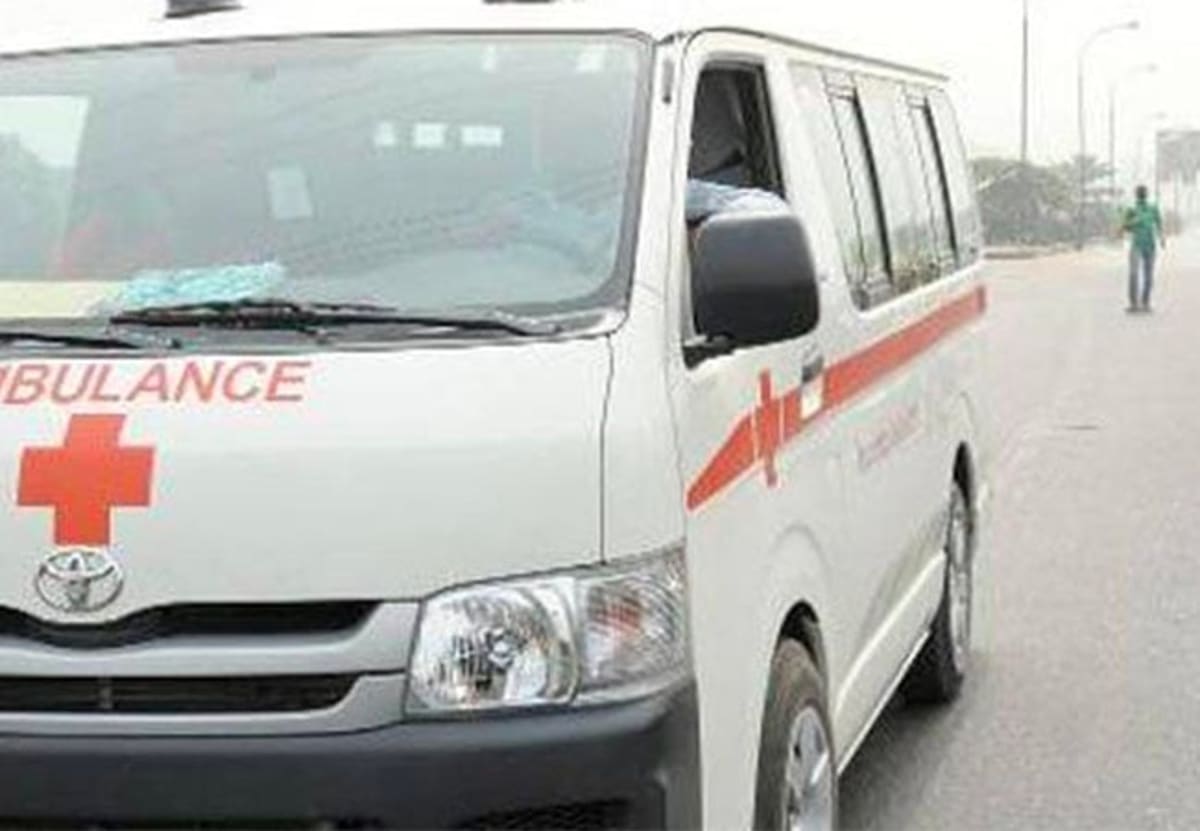
Operational data from the Lagos State Government shows that out of every 10 calls made to its emergency hotlines between January 2023 and April 2024, seven were either fake, prank calls, or requests that did not qualify as emergencies. The revelation comes as emergency services across the state report increasing difficulty in managing the volume of non essential calls, which divert attention and resources from real emergencies.
Why Public Health Officials Are Concerned
Emergency hotlines are designed to provide rapid assistance during life threatening situations, such as medical emergencies, fires, or violent incidents. When these lines are clogged with non essential calls, response times for genuine emergencies can slow significantly. Lagos, a megacity with over 20 million residents, already faces challenges in emergency preparedness due to traffic congestion, limited infrastructure, and high population density. The surge in fake calls exacerbates these issues, potentially putting lives at risk.
Officials also express frustration over the lack of consequences for repeat offenders. While prank calls to emergency services are illegal in many jurisdictions, enforcement in Lagos appears inconsistent. This has led to calls for stricter penalties, including fines or legal action, to deter misuse of the system.
Who May Be Affected
The impact of this issue extends beyond emergency responders. Residents who genuinely require urgent assistance, such as victims of accidents, cardiac arrests, or violent crimes, may experience critical delays in receiving help. Vulnerable populations, including the elderly, children, and those with chronic illnesses, are particularly at risk. Additionally, healthcare workers and emergency personnel face increased stress and burnout as they navigate the frustration of prioritizing calls amid the noise of non urgent requests.
Government Response
The Lagos State Government has acknowledged the problem and is exploring measures to address it. Proposals include public awareness campaigns to educate residents on the appropriate use of emergency hotlines, as well as technological solutions such as call filtering or automated triage systems to prioritize urgent calls. However, details on implementation timelines or enforcement strategies remain unclear.
In a statement, a spokesperson for the Lagos State Emergency Management Agency (LASEMA) emphasized the need for community cooperation. "Emergency lines are a lifeline for those in immediate danger. Misusing them not only wastes resources but also endangers lives. We urge the public to treat these services with the seriousness they deserve."
Prevention and Safety Guidance
Residents can play a crucial role in alleviating the strain on emergency services by following these guidelines:
- Use emergency hotlines only for life threatening situations: Call for medical emergencies, fires, crimes in progress, or other immediate threats to life or property.
- For non urgent issues, use alternative channels: Contact local clinics, police stations, or community leaders for non emergency matters. Lagos State provides non emergency contact numbers for such purposes.
- Educate others: Share information about the proper use of emergency hotlines with friends, family, and neighbors, especially in communities where awareness may be low.
- Report misuse: If you witness or suspect someone making prank or non essential calls to emergency lines, report it to authorities to help reduce abuse of the system.
What Readers Should Know
Emergency services are a shared resource, and their effectiveness depends on responsible use by the public. The data from Lagos serves as a reminder that misuse of these systems can have real world consequences, including delayed response times for those in critical need. While technological and policy solutions are being explored, community awareness and cooperation remain the most immediate tools to address this challenge.
For residents of Lagos, knowing when, and when not, to call emergency hotlines could make the difference between life and death. As the state works to improve its emergency response infrastructure, the public’s role in using these services wisely cannot be overstated.
Key Takeaways
- Nearly 70% of calls to Lagos emergency hotlines are fake, prank, or non urgent, straining the system’s ability to respond to real crises.
- Misuse of emergency lines can delay critical assistance for those in life threatening situations, particularly affecting vulnerable populations.
- Public awareness campaigns and stricter enforcement are needed to reduce non essential calls and improve emergency response efficiency.
Frequently Asked Questions
What qualifies as an emergency call in Lagos?
An emergency call in Lagos should be made for situations that pose an immediate threat to life, health, or property. This includes medical emergencies (e.g., heart attacks, severe injuries), fires, violent crimes in progress, or accidents requiring urgent intervention. Non urgent matters, such as noise complaints or minor disputes, should not be reported via emergency hotlines.
What are the consequences of making fake or prank calls to emergency hotlines?
While enforcement in Lagos has been inconsistent, making fake or prank calls to emergency hotlines is illegal in many jurisdictions and can result in fines, legal action, or even imprisonment. More importantly, such calls waste valuable resources and can delay assistance for those in genuine need, potentially leading to preventable deaths or injuries.
How can I report a non emergency issue in Lagos without using the emergency hotline?
For non urgent matters, Lagos residents can contact local police stations, clinics, or community leaders. The Lagos State Government also provides non emergency contact numbers for specific agencies, such as the Lagos State Traffic Management Authority (LASTMA) for traffic related issues or local health centers for minor medical concerns. Always check official government websites or community bulletins for the appropriate contacts.
What is the Lagos State Government doing to address the issue of fake emergency calls?
The Lagos State Government is exploring several measures, including public awareness campaigns to educate residents on the proper use of emergency hotlines and technological solutions like call filtering or automated triage systems. However, details on implementation timelines and enforcement strategies are still under discussion. Community cooperation remains a key factor in addressing the problem.
Medical Review: MedSense Editorial Board








DISCUSSION (0)
POST A COMMENT