What Happened
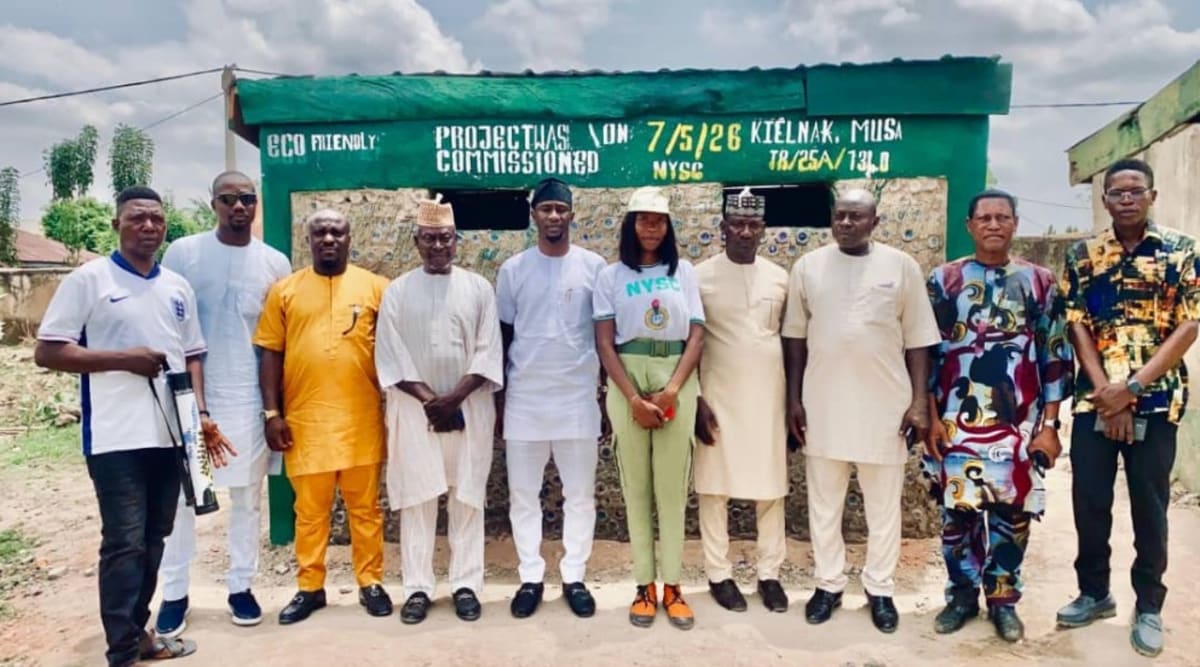
Kleina Kuchahyel Musa, a corps member deployed to Jalingo, designed and constructed a functional toilet facility using thousands of recycled plastic bottles as the primary building material. The project was unveiled during a commissioning ceremony attended by local community leaders, environmental advocates, and sanitation experts. Musa, who studied environmental science, explained that the idea stemmed from a desire to repurpose non biodegradable waste while improving access to basic sanitation in underserved areas.
The toilet structure was built using plastic bottles filled with sand or other compacted materials, stacked and bound together to form walls. This method not only reduces the volume of plastic waste but also provides a durable, low cost alternative to conventional building materials like bricks or concrete. The facility includes separate compartments for urination and defecation, with a simple water based flushing system to ensure hygiene.
Why Public Health Officials Are Concerned
Nigeria faces a dual crisis of plastic pollution and inadequate sanitation. According to the World Bank, only 33% of Nigerians have access to basic sanitation services, while over 47 million people practice open defecation. Poor sanitation contributes to the spread of waterborne diseases such as cholera, diarrhea, and typhoid, which remain leading causes of child mortality in the country. Meanwhile, plastic waste clogs drainage systems, exacerbates flooding, and contaminates water sources, creating breeding grounds for disease vectors like mosquitoes.
Innovations like Musa’s eco friendly toilet address both issues simultaneously. By repurposing plastic waste, the project reduces environmental pollution while providing a cost effective sanitation solution. Public health experts have long emphasized the need for locally adaptable, low tech interventions to improve sanitation in low income communities. Musa’s model aligns with this approach, demonstrating how waste can be transformed into a resource with minimal financial investment.
Who May Be Affected
This initiative has broad implications for several groups:
- Rural and peri urban communities: Areas with limited access to sanitation infrastructure could adopt this model to build affordable, durable toilet facilities.
- Schools and public institutions: Many Nigerian schools lack adequate sanitation, particularly in rural areas. Eco friendly toilets could provide a hygienic solution without the high costs of conventional construction.
- Environmental advocates: The project offers a tangible example of how plastic waste can be repurposed, supporting broader efforts to reduce pollution and promote circular economies.
- Government and NGOs: Policymakers and development organizations focused on sanitation and waste management may see this as a scalable model for national or regional programs.
Government and Community Response
Local authorities in Jalingo have expressed support for the project, with some officials calling for its replication in other parts of the state. The Taraba State Environmental Protection Agency has indicated interest in collaborating with Musa to train community members on the construction technique. While no formal government policy has yet been announced, the project has sparked conversations about integrating waste to resource models into Nigeria’s national sanitation strategy.
At the community level, residents have welcomed the initiative, particularly in neighborhoods where open defecation is common due to the lack of toilet facilities. Some have already begun collecting plastic bottles to contribute to future projects, signaling growing grassroots engagement with the concept.
Prevention and Safety Guidance
For communities or organizations interested in replicating this model, the following considerations are essential:
- Material preparation: Plastic bottles should be thoroughly cleaned and filled with compacted sand, soil, or other stable materials to ensure structural integrity. Proper stacking and binding techniques are critical to prevent collapse.
- Hygiene maintenance: The toilet should include a water source for flushing and handwashing. Regular cleaning with disinfectants is necessary to prevent the spread of pathogens.
- Ventilation and waste management: Adequate ventilation reduces odors and improves user comfort. A simple septic tank or composting system should be incorporated to manage waste safely.
- Community training: Local volunteers or artisans should be trained in the construction and maintenance of these facilities to ensure sustainability.
What Readers Should Know
Musa’s eco friendly toilet is more than a creative project, it is a proof of concept for how communities can tackle sanitation and waste challenges with limited resources. While the model is not a substitute for large scale infrastructure development, it offers a practical stopgap solution for areas where conventional sanitation is unaffordable or unavailable. For individuals inspired by this initiative, the next steps could include:
- Organizing local plastic bottle collection drives to support similar projects.
- Advocating for the inclusion of waste to resource models in municipal sanitation plans.
- Partnering with environmental NGOs or youth groups to replicate the project in other communities.
- Documenting and sharing lessons learned to refine the design and improve scalability.
As Nigeria continues to grapple with sanitation and environmental challenges, innovations like this remind us that solutions often lie in reimagining the resources we already have. The question now is how quickly such models can be adopted, adapted, and scaled to meet the needs of millions.
Key Takeaways
- A National Youth Service Corps member in Jalingo built an eco friendly toilet using recycled plastic bottles, addressing both sanitation gaps and plastic pollution.
- The project offers a low cost, scalable model for communities with limited access to conventional sanitation infrastructure.
- Poor sanitation and plastic waste are major public health challenges in Nigeria, contributing to disease outbreaks and environmental degradation.
- This initiative could be replicated in schools, rural areas, and informal settlements to improve hygiene and reduce waste.
- Proper construction techniques, hygiene maintenance, and community training are essential for the sustainability of such projects.
Frequently Asked Questions
How does an eco friendly toilet made from plastic bottles work?
The toilet is constructed using plastic bottles filled with sand or other compacted materials, stacked and bound to form walls. The structure includes separate compartments for urination and defecation, with a water based flushing system to maintain hygiene. The bottles provide durability and insulation while repurposing waste that would otherwise pollute the environment.
What are the benefits of using plastic bottles for toilet construction?
Using plastic bottles reduces environmental pollution by repurposing non biodegradable waste. It also lowers construction costs compared to traditional materials like bricks or concrete, making sanitation facilities more accessible to low income communities. Additionally, the bottles provide good insulation and structural stability when properly filled and stacked.
Can this model be scaled up for larger communities?
Yes, the model is designed to be scalable. With proper training and community involvement, similar facilities can be built in schools, rural areas, and informal settlements. However, scaling up would require coordination with local authorities, environmental agencies, and sanitation experts to ensure quality, hygiene, and sustainability.
What challenges might arise with this type of toilet?
Potential challenges include ensuring proper waste management to prevent contamination, maintaining hygiene standards, and securing community buy in for long term upkeep. Structural integrity must also be monitored, particularly in areas with heavy rainfall or flooding. Training local volunteers in construction and maintenance is key to addressing these issues.
How can individuals or communities get involved in similar projects?
Communities can start by organizing plastic bottle collection drives and partnering with local artisans or environmental groups to learn the construction technique. Advocating for government or NGO support, documenting the process, and sharing lessons learned can also help replicate and improve the model in other areas.
Medical Review: MedSense Editorial Board








DISCUSSION (0)
POST A COMMENT