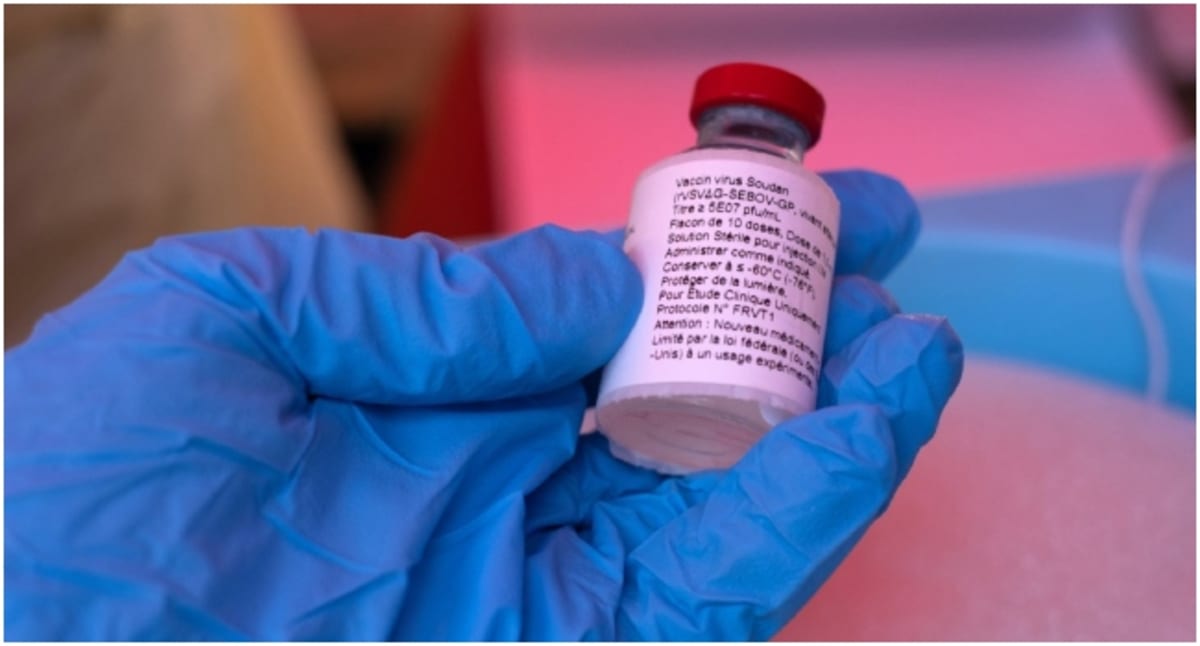
What Happened
A US citizen working in the Democratic Republic of Congo has been diagnosed with Ebola and transferred to Germany for advanced medical care. The individual, described as a healthcare worker, tested positive for the virus following occupational exposure. While specific details about the patient’s role or the nature of their work remain undisclosed, the case highlights the dangers faced by those responding to Ebola outbreaks in high risk environments.
The transfer to Germany was coordinated through established international protocols for handling highly infectious diseases. The country’s specialized treatment facilities are equipped to manage Ebola cases, including isolation units and experimental therapies not widely available in outbreak zones. This is not the first time Germany has treated Ebola patients; in 2014, the country provided care for several individuals during the West Africa epidemic.
Why Public Health Officials Are Concerned
Ebola virus disease remains one of the most feared pathogens due to its high fatality rate and potential for rapid transmission in healthcare settings. The current outbreak in the Democratic Republic of Congo, now in its fifth year, has proven particularly challenging due to ongoing conflict, population displacement, and resistance to public health measures in affected communities. While case numbers have declined in recent months, the risk of resurgence persists, particularly in areas with limited healthcare infrastructure.
This latest case also raises concerns about the safety of international aid workers and healthcare personnel deployed to outbreak zones. Despite rigorous safety protocols, including personal protective equipment and vaccination, exposure risks remain. The World Health Organization has repeatedly warned that Ebola outbreaks are unlikely to be fully contained without sustained investment in local healthcare systems and community engagement.
Symptoms or Risk Factors
Ebola virus disease typically presents with sudden onset of fever, fatigue, muscle pain, headache, and sore throat, followed by vomiting, diarrhea, rash, and in severe cases, internal and external bleeding. Symptoms usually appear between 2 to 21 days after exposure, with an average incubation period of 8 to 10 days. The virus spreads through direct contact with bodily fluids of infected individuals or contaminated surfaces.
Healthcare workers are at elevated risk due to their proximity to patients during treatment and care. The use of personal protective equipment, proper infection control measures, and vaccination with the Ervebo vaccine have significantly reduced transmission risks in recent outbreaks. However, breaches in protocol or delayed diagnosis can still lead to exposure.
Who May Be Affected
While this case involves a US healthcare worker, the broader implications extend to several groups:
- Frontline healthcare workers: Those deployed to Ebola affected regions, including doctors, nurses, epidemiologists, and laboratory technicians.
- Local communities in DR Congo: Populations in outbreak zones, particularly in North Kivu and Ituri provinces, where the virus remains active.
- International aid organizations: Staff from groups like Médecins Sans Frontières, WHO, and the Red Cross, who are often the first responders in outbreak situations.
- Travelers and expatriates: Individuals returning from or residing in Ebola affected areas, who may require monitoring for symptoms.
Government or WHO Response
The World Health Organization continues to monitor the situation in the Democratic Republic of Congo, where the Ebola outbreak has claimed over 2,300 lives since 2018. While the WHO has not declared this latest case a public health emergency of international concern, it has emphasized the need for continued vigilance and support for local response efforts.
German health authorities, in coordination with international partners, are following strict isolation and containment protocols. The patient is being treated in a high level isolation unit designed to prevent secondary transmission. Authorities have also initiated contact tracing to identify and monitor individuals who may have been exposed during the patient’s evacuation or prior to diagnosis.
The US Centers for Disease Control and Prevention has not issued any travel advisories related to this case but continues to recommend that travelers to DR Congo avoid contact with sick individuals and adhere to infection control measures. The CDC also advises healthcare workers to follow strict safety protocols, including vaccination with the Ervebo vaccine, which has been shown to be highly effective in preventing Ebola infection.
Prevention and Safety Guidance
For individuals in or traveling to Ebola affected regions, public health authorities recommend the following precautions:
- Avoid contact with blood or bodily fluids of sick individuals, including those who have died from Ebola.
- Practice strict hand hygiene, including frequent handwashing with soap and water or alcohol based sanitizers.
- Avoid handling or consuming bushmeat, which can be a source of Ebola transmission.
- Follow local health advisories and report any symptoms immediately to healthcare providers.
- Healthcare workers should adhere to infection prevention and control measures, including the use of personal protective equipment and vaccination.
For those returning from Ebola affected areas, monitoring for symptoms for 21 days after departure is critical. Individuals who develop fever or other symptoms should seek medical attention immediately and inform healthcare providers of their travel history.
What Readers Should Know
This case serves as a reminder of the ongoing threat posed by Ebola, particularly in regions with fragile healthcare systems. While the risk to the general public in countries like the US or Germany remains low, the situation highlights the importance of global preparedness and the need for continued investment in outbreak response capabilities.
For healthcare workers and aid organizations, the case underscores the importance of adherence to safety protocols and vaccination. The Ervebo vaccine, approved by the US Food and Drug Administration in 2019, has been a game changer in protecting frontline workers and containing outbreaks. However, its effectiveness depends on widespread deployment and acceptance among at risk populations.
As the world grapples with multiple health emergencies, from COVID 19 to mpox, the Ebola outbreak in DR Congo remains a critical reminder of the need for sustained global health security efforts. The international community’s ability to respond swiftly and effectively to such threats will determine the trajectory of future outbreaks.
Key Takeaways
- A US healthcare worker infected with Ebola in the Democratic Republic of Congo has been evacuated to Germany for specialized treatment.
- Ebola remains a persistent threat in DR Congo due to ongoing conflict, weak healthcare infrastructure, and community resistance to public health measures.
- Healthcare workers in outbreak zones face elevated risks despite safety protocols, including vaccination and personal protective equipment.
- The Ervebo vaccine has significantly reduced transmission risks but requires continued deployment and adherence to safety measures.
- Public health authorities emphasize the need for vigilance, contact tracing, and isolation protocols to prevent secondary transmission.
Frequently Asked Questions
What is Ebola virus disease?
Ebola virus disease is a severe, often fatal illness caused by the Ebola virus. It spreads through direct contact with bodily fluids of infected individuals or contaminated surfaces. Symptoms include fever, fatigue, muscle pain, vomiting, diarrhea, and in severe cases, internal and external bleeding.
How is Ebola treated?
Treatment for Ebola focuses on supportive care, including hydration, pain management, and treatment of secondary infections. Experimental therapies, such as monoclonal antibodies, have shown promise in improving survival rates. Patients are typically isolated to prevent transmission.
Who is at risk of contracting Ebola?
Healthcare workers, family members of infected individuals, and those handling the bodies of deceased Ebola patients are at highest risk. Travelers to outbreak zones may also be at risk if they come into contact with infected individuals or contaminated materials.
Is there a vaccine for Ebola?
Yes, the Ervebo vaccine has been approved for use in individuals aged 18 and older. It has been shown to be highly effective in preventing Ebola infection and is recommended for healthcare workers and others at high risk of exposure.
What should I do if I think I’ve been exposed to Ebola?
If you suspect exposure, monitor for symptoms for 21 days. If symptoms develop, seek medical attention immediately and inform healthcare providers of your travel history or potential exposure. Avoid contact with others to prevent transmission.
Medical Review: MedSense Editorial Board








DISCUSSION (0)
POST A COMMENT