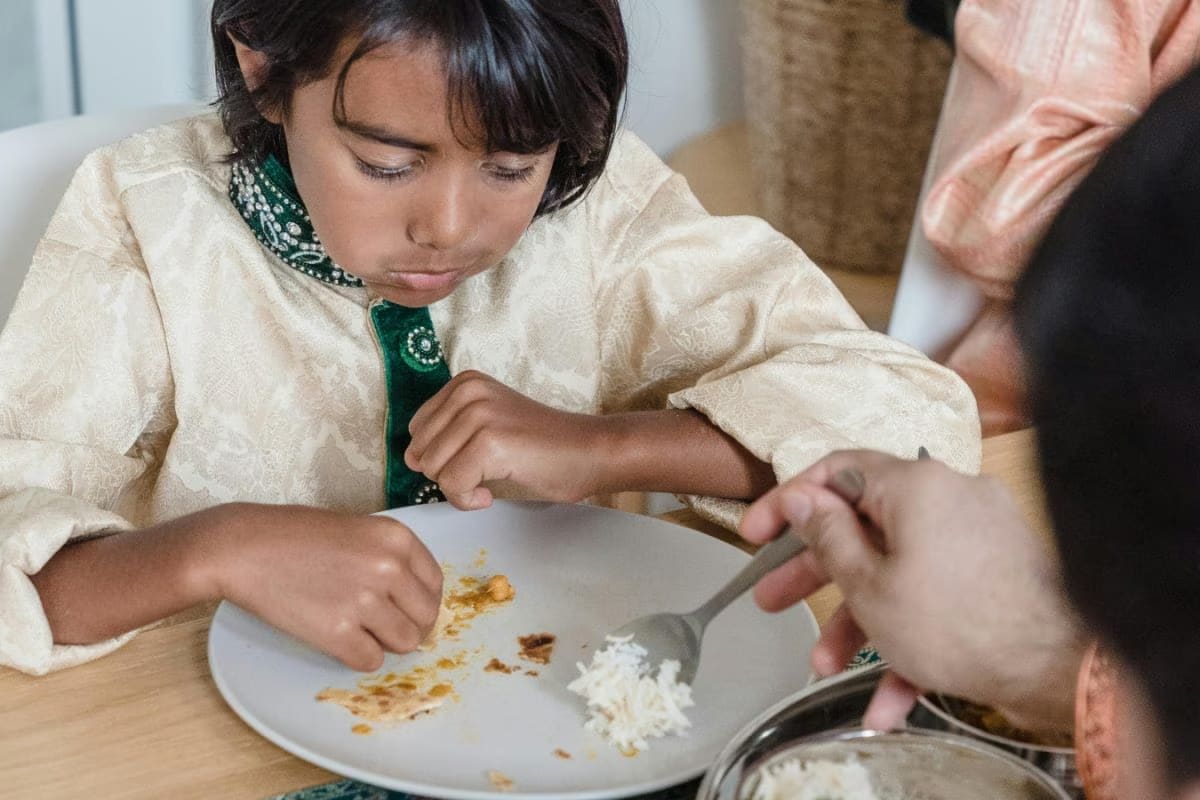
India’s battle against child malnutrition has long been shadowed by an insidious cultural force: son preference. While girls are biologically more resilient, a groundbreaking study published in *Scientific Reports* reveals they face systemic nutritional neglect in households where sons are favored. The research, analyzing data from over 112,000 girls under five, exposes modest but consistent disparities in stunting, wasting, and underweight, disparities that widen dramatically in India’s most patriarchal regions. With maternal education and household wealth acting as protective factors, the findings underscore how deeply gender inequality is woven into the nation’s public health crisis. The study’s authors warn that without targeted, gender sensitive interventions, millions of girls may continue to pay the price for a preference that begins before birth and persists through childhood.
What Happened
A nationally representative study has quantified the link between son preference and undernutrition in Indian girls, using data from the National Family Health Survey (NFHS 5, 2019, 2021). Researchers analyzed the nutritional status of 112,255 girls aged 0, 59 months, comparing outcomes in households where mothers expressed a desire for more sons than daughters. The study measured three key indicators of malnutrition: stunting (low height for age), wasting (low weight for height), and underweight (low weight for age).
Nationally, girls in son preferring households faced slightly higher odds of all three conditions, with adjusted odds ratios of 1.02 for each. However, the disparities became far more pronounced in Central and Eastern India, where the odds of stunting and underweight rose to 1.04 and 1.06, respectively. In contrast, Southern and Northeastern regions showed negligible or even reversed associations, suggesting that regional cultural norms may mitigate or exacerbate the impact of son preference.
Why Public Health Officials Are Concerned
India already shoulders the world’s highest burden of child malnutrition, with nearly 35% of children under five stunted and 17% wasted, according to UNICEF. The study’s findings add a critical layer to this crisis: gender bias is not just a social issue but a public health threat. Son preference manifests in tangible ways, less food, delayed healthcare, and reduced investment in girls’ well being, all of which compound over time. The study’s lead author, Dr. Sanjay Barik of the International Institute for Population Sciences, noted that while the odds ratios appear small, they translate to thousands of girls experiencing preventable malnutrition.
The regional disparities are particularly alarming. Central and Eastern India, where son preference is deeply entrenched, also grapple with higher poverty rates, lower female literacy, and weaker healthcare infrastructure. These factors create a perfect storm for malnutrition, with girls bearing the brunt. In contrast, Southern states like Kerala and Tamil Nadu, where gender equity is more advanced, show that progress is possible. The study’s authors argue that these regions could serve as models for targeted interventions.
Who May Be Affected
The study highlights three key groups at heightened risk:
- Girls in son preferring households: Nationally, these girls face a 2% higher risk of stunting, wasting, and underweight. In Central and Eastern India, the risk jumps to 4, 6%.
- Children in low income households: Poverty amplifies the effects of son preference, as families with limited resources may prioritize sons for perceived future economic returns.
- Girls with less educated mothers: Maternal education emerged as a protective factor, with daughters of educated mothers faring better regardless of household son preference. This underscores the role of women’s empowerment in breaking cycles of malnutrition.
Government and Policy Response
India’s flagship nutrition program, the Poshan Abhiyaan (National Nutrition Mission), has made strides in reducing child malnutrition but has yet to address gender disparities head on. The study’s authors call for integrating gender transformative strategies into existing programs, such as:
- Behavior change campaigns: Targeting deep seated cultural norms around son preference, particularly in high risk regions like Uttar Pradesh, Bihar, and Jharkhand.
- Conditional cash transfers: Incentivizing families to invest equally in girls’ nutrition and healthcare, similar to schemes like the Beti Bachao Beti Padhao (Save the Daughter, Educate the Daughter) initiative.
- Community based monitoring: Training frontline health workers to identify and intervene in households where girls may be at nutritional risk.
The study also recommends drawing lessons from Southern and Northeastern states, where stronger female workforce participation, higher education levels, and more equitable inheritance laws have contributed to better nutritional outcomes for girls.
Prevention and Safety Guidance
For families, communities, and healthcare providers, the study offers actionable insights to mitigate the impact of son preference on girls’ nutrition:
- Equal feeding practices: Ensure girls receive the same quantity and quality of food as boys, particularly during critical growth periods like the first 1,000 days of life.
- Maternal education: Support programs that improve female literacy and economic independence, as educated mothers are more likely to challenge gender biases in childcare.
- Community awareness: Engage religious and local leaders in discussions about the long term consequences of son preference, including its impact on family health and economic stability.
- Healthcare access: Encourage regular growth monitoring for all children, regardless of gender, and provide targeted nutritional support to girls in high risk households.
What Readers Should Know
This study is not just about numbers, it’s about the silent toll of gender inequality on India’s youngest and most vulnerable. While the odds ratios may seem small, they represent real girls facing real barriers to healthy development. The findings also offer a roadmap for change, showing that progress is possible when policies and communities prioritize gender equity. For parents, the message is clear: investing in a daughter’s nutrition today can break cycles of poverty and poor health for generations to come. For policymakers, the challenge is urgent: India cannot achieve its public health goals without addressing the cultural biases that undermine them.
Key Takeaways
- Son preference in India is linked to higher rates of stunting, wasting, and underweight in girls, with the strongest disparities in Central and Eastern regions.
- Maternal education and household wealth act as protective factors, reducing the impact of son preference on girls’ nutrition.
- Gender transformative strategies, such as behavior change campaigns and conditional cash transfers, are needed to address these disparities within existing nutrition programs.
Frequently Asked Questions
How does son preference affect girls’ nutrition in India?
Son preference leads to unequal allocation of food, healthcare, and care within households, resulting in higher rates of stunting, wasting, and underweight among girls. The study found that girls in son preferring households had a 2% higher risk of these conditions nationally, with risks rising to 4, 6% in Central and Eastern India.
Which regions in India show the worst disparities?
Central and Eastern India, including states like Uttar Pradesh, Bihar, and Jharkhand, show the most pronounced disparities. These regions have higher poverty rates, lower female literacy, and stronger cultural son preference, all of which contribute to worse nutritional outcomes for girls.
What can be done to reduce these disparities?
Experts recommend integrating gender transformative strategies into existing nutrition programs, such as behavior change campaigns, conditional cash transfers for families that invest equally in girls, and community based monitoring by frontline health workers. Learning from Southern and Northeastern states, where gender equity is more advanced, can also guide policy.
Are there any protective factors against malnutrition in girls?
Yes, the study found that maternal education and higher household wealth significantly reduce the risk of malnutrition in girls, even in son preferring households. Educated mothers are more likely to challenge gender biases and ensure equal care for their daughters.
Why does this issue matter for public health?
Malnutrition in early childhood has lifelong consequences, including impaired cognitive development, weakened immunity, and increased risk of chronic diseases. Addressing gender disparities in nutrition is not just a social justice issue but a public health imperative for India’s future.
Medical Review: MedSense Editorial Board








DISCUSSION (0)
POST A COMMENT