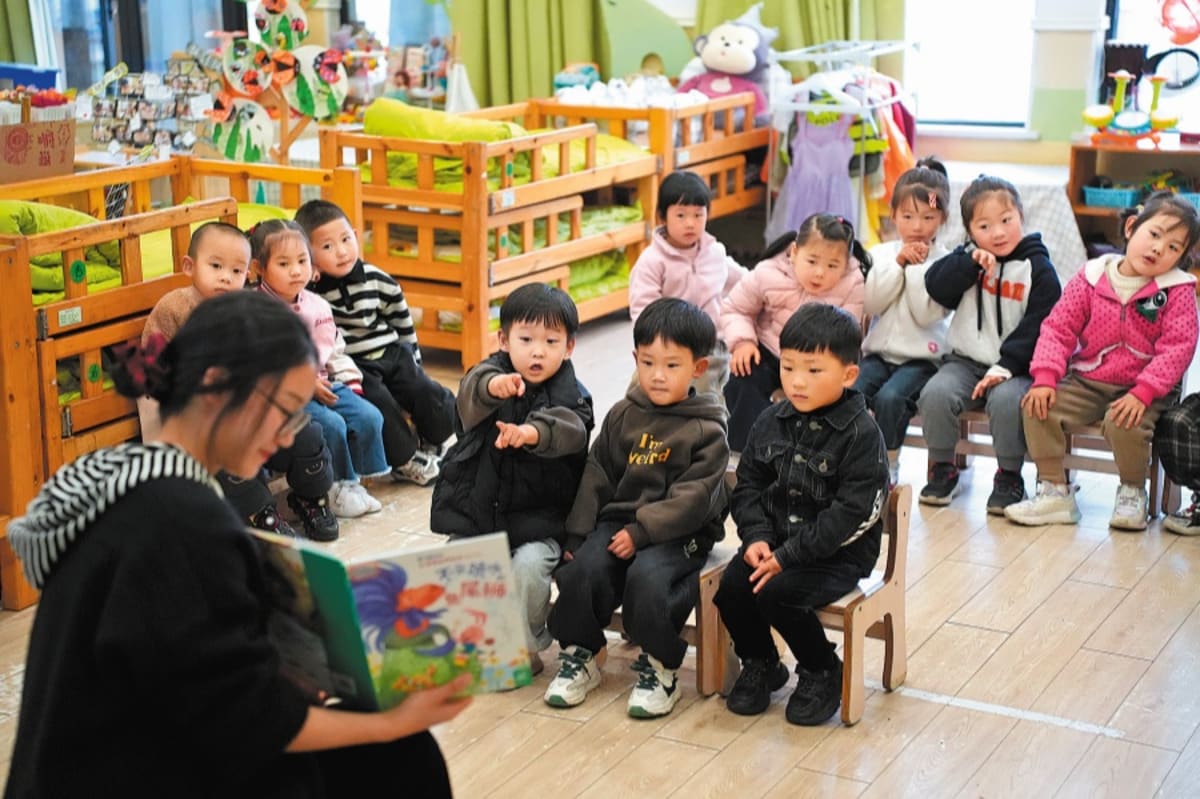
China is taking decisive steps to address two critical public concerns: the safety of preschool education and the affordability of rural healthcare. At a recent press conference, Vice Minister of Education Tian Xuejun revealed plans to introduce legislation governing preschool institutions, a move accelerated by a high profile child abuse case that sparked nationwide outrage. Meanwhile, health authorities have clarified adjustments to the new rural cooperative medical system, emphasizing increased government subsidies and higher reimbursement rates to ease financial burdens on rural families. These developments reflect broader efforts to align public services with the needs of a rapidly evolving society, where access to quality education and healthcare remains a pressing priority for millions.
What Happened
China’s Ministry of Education has announced plans to draft legislation specifically targeting preschool education, aiming to establish legal frameworks for the operation, management, and oversight of kindergartens. The initiative follows a widely publicized case of child abuse at RYB Education New World Kindergarten in Beijing, which exposed gaps in regulatory enforcement and institutional accountability. Vice Minister Tian Xuejun stated that the ministry is already conducting research to support the legislation, with additional measures under consideration, including stricter teacher qualification requirements and a formal code of ethics for preschool educators.
In parallel, the National Health and Family Planning Commission (NHFPC) has addressed public concerns over recent fee increases in the new rural cooperative medical system. While individual contributions have risen from 30 yuan to 180 yuan annually, the government has significantly increased its subsidies, from 20 yuan to 450 yuan per person, effectively offsetting the higher costs for most families. Reimbursement rates for hospitalization have also climbed from 35% to 75%, and a comprehensive medical assistance program remains in place to support those unable to afford the fees.
Why Public Health Officials Are Concerned
The push for preschool legislation underscores growing unease over the quality and safety of early childhood education in China. The RYB kindergarten case, which involved allegations of physical abuse and neglect, highlighted systemic weaknesses, including inconsistent enforcement of existing regulations and inadequate oversight of private institutions. With demand for preschool enrollment outpacing available resources, particularly in urban areas, officials are under pressure to ensure that all children have access to safe, high quality early education. The proposed legislation aims to standardize operations, improve teacher training, and strengthen accountability mechanisms to prevent future incidents.
On the healthcare front, the fee adjustments in the rural cooperative medical system reflect a balancing act between sustainability and accessibility. While the increased individual contributions may strain some households, the NHFPC has emphasized that the higher government subsidies and reimbursement rates are designed to make healthcare more affordable in the long term. However, concerns persist about whether the assistance programs are reaching the most vulnerable populations, particularly in remote or economically disadvantaged regions. The adjustments also signal a broader shift in China’s healthcare policy, as the government seeks to reduce disparities between urban and rural medical access.
Who May Be Affected
The preschool legislation will have far reaching implications for multiple stakeholders. Parents, particularly in urban centers where private kindergartens are prevalent, stand to benefit from clearer regulations and stronger protections for their children. Educators and administrators will face new licensing and ethical standards, which could improve professionalism but may also increase operational costs for smaller institutions. Local governments will be tasked with enforcing the new rules, a challenge given the uneven distribution of resources across provinces.
The rural healthcare fee changes will primarily impact the approximately 800 million residents covered by the new cooperative medical system. While the increased subsidies and reimbursement rates are intended to ease financial burdens, families in low income brackets may still struggle with upfront costs. Migrant workers and those in informal employment, who often lack stable income, could face particular difficulties. Health officials have stressed that the medical assistance program will remain a safety net, but its effectiveness will depend on local implementation.
Government Response and Next Steps
The Ministry of Education has indicated that the preschool legislation will be developed in consultation with experts, educators, and parents, though no specific timeline has been provided. In the interim, the ministry plans to enhance supervision of kindergartens, including unannounced inspections and stricter penalties for violations. Tian Xuejun also noted that efforts are underway to expand preschool capacity, particularly in underserved areas, though challenges such as funding and teacher shortages remain.
The NHFPC has defended the rural healthcare fee adjustments as a necessary step to sustain the cooperative medical system, which has seen rising costs due to an aging population and increasing demand for medical services. The commission has pledged to monitor the impact of the changes and adjust assistance programs as needed. Additionally, the government is exploring ways to integrate rural healthcare with broader social security reforms, though details remain scarce.
Prevention and Safety Guidance
For parents considering preschool options, experts recommend verifying a kindergarten’s licensing status, teacher qualifications, and safety protocols before enrollment. The Ministry of Education advises parents to report any suspected abuse or regulatory violations to local authorities immediately. As the legislative process unfolds, families should stay informed about new requirements and standards that may affect their child’s education.
Rural residents concerned about healthcare costs are encouraged to review the updated reimbursement policies and apply for medical assistance if eligible. Local health departments can provide guidance on navigating the system, including how to access subsidies and file claims. The NHFPC has also urged families to take advantage of preventive care services, which remain fully covered under the cooperative medical system, to reduce the need for costly hospitalizations.
What Readers Should Know
China’s moves to legislate preschool education and adjust rural healthcare fees reflect a broader effort to address gaps in public services that have become increasingly visible as the country’s social and economic landscape evolves. While the proposed changes are designed to improve safety, accessibility, and affordability, their success will depend on effective implementation at the local level. Parents and rural residents should remain engaged with these developments, as they will shape the quality of education and healthcare for years to come.
For now, the focus remains on balancing immediate needs with long term reforms. The preschool legislation, if enacted, could set a new standard for early childhood education in China, while the healthcare adjustments aim to make medical services more sustainable without sacrificing accessibility. As these policies take shape, public feedback and oversight will be critical to ensuring they deliver on their promises.
Key Takeaways
- China is drafting legislation to regulate preschool education, following a high profile child abuse case that exposed regulatory gaps and management failures in kindergartens.
- The new rural cooperative medical system has raised individual fees to 180 yuan annually, but government subsidies have increased to 450 yuan per person, and hospitalization reimbursement rates have risen to 75%.
- The preschool reforms aim to standardize operations, improve teacher qualifications, and strengthen oversight, while the healthcare adjustments seek to balance affordability with the sustainability of rural medical services.
- Families in urban areas may see improved safety and quality in preschools, while rural residents should review updated reimbursement policies and medical assistance programs to manage healthcare costs.
- Effective local implementation will be key to the success of these reforms, with public engagement and oversight playing a critical role in shaping their impact.
Frequently Asked Questions
Why is China introducing legislation for preschool education?
The legislation is being introduced to address gaps in oversight and accountability following a widely publicized child abuse case at a Beijing kindergarten. The goal is to standardize operations, improve teacher qualifications, and strengthen safety protocols across preschool institutions.
How will the increased fees in the rural cooperative medical system affect families?
While individual fees have risen from 30 yuan to 180 yuan annually, the government has significantly increased its subsidies, from 20 yuan to 450 yuan per person. Reimbursement rates for hospitalization have also increased from 35% to 75%, and medical assistance programs remain available for those who cannot afford the fees.
What should parents look for when choosing a preschool under the new regulations?
Parents should verify a kindergarten’s licensing status, teacher qualifications, and safety protocols. They are also encouraged to report any suspected abuse or regulatory violations to local authorities. As the legislation develops, staying informed about new standards will be important.
Are there any financial assistance programs for rural families struggling with healthcare costs?
Yes, the government has a comprehensive medical assistance system for those unable to afford the fees. Rural residents should contact their local health departments for guidance on accessing subsidies and filing claims.
What are the next steps for these reforms?
The Ministry of Education is conducting research to support the preschool legislation, with plans to consult experts, educators, and parents. The NHFPC will monitor the impact of the healthcare fee adjustments and may refine assistance programs as needed. Local implementation will be critical to the success of both initiatives.
Medical Review: MedSense Editorial Board








DISCUSSION (0)
POST A COMMENT