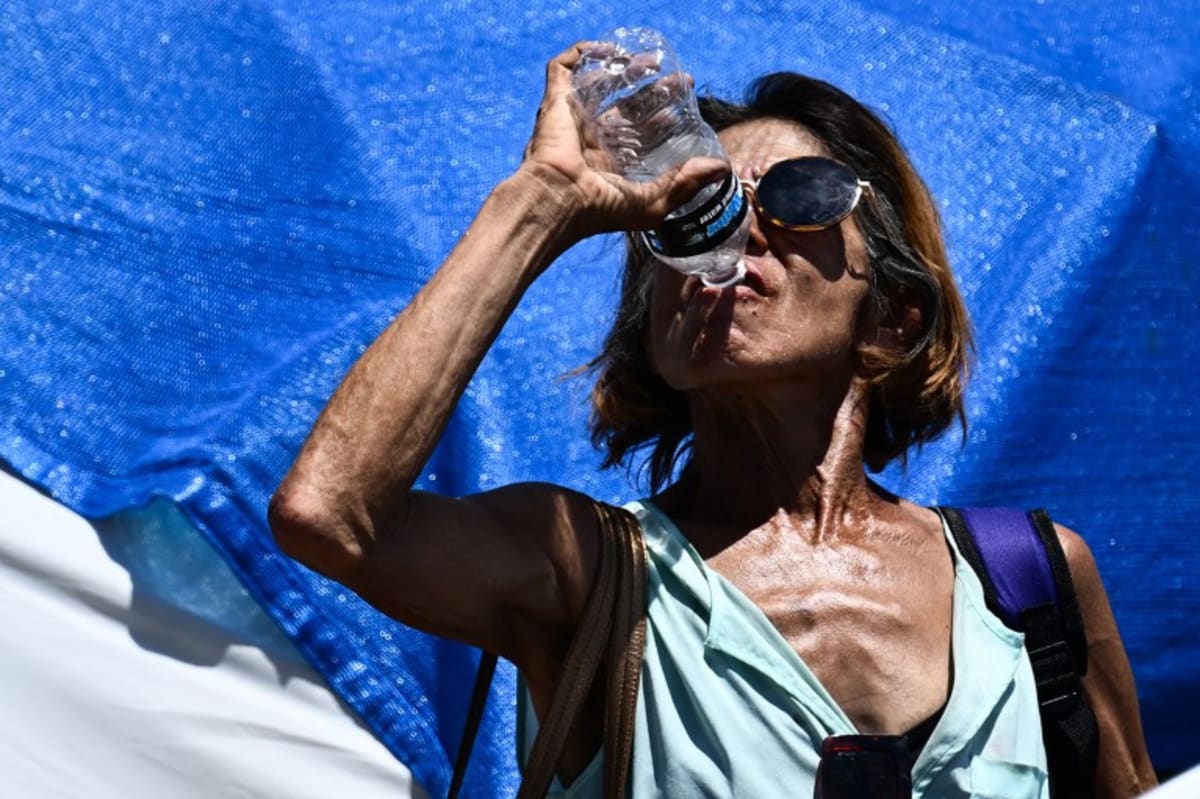
As temperatures soar, the human body faces a silent battle to maintain its core temperature. While anyone can succumb to heat stress, older adults, young children, and those with chronic conditions face the greatest danger. The UK Health Security Agency warns that heatwaves can trigger a cascade of physiological responses, from dilated blood vessels to rapid fluid loss, that strain the heart and disrupt critical bodily functions. With heat related deaths rising sharply in recent years, public health experts urge vigilance, particularly during early season heatwaves when the body is least prepared.
What Happened
Record breaking temperatures across Europe have exposed millions to dangerous heat levels, with England recording its highest temperature of 40.3°C in 2022. During that summer, nearly 3,000 excess deaths were attributed to heat, marking the deadliest year on record. More recent data from 2024 and 2025 show little improvement, with over 1,300 heat associated deaths each summer. These figures underscore a growing public health crisis as climate change intensifies heatwave frequency and severity.
Why Public Health Officials Are Concerned
The body’s response to heat begins with blood vessels near the skin expanding to release excess warmth, a process that lowers blood pressure and forces the heart to work harder. Sweating, while essential for cooling, depletes fluids and electrolytes, disrupting the body’s delicate balance. When these mechanisms fail, heat exhaustion sets in, characterized by dizziness, nausea, and muscle cramps. If unaddressed, it can escalate to heatstroke, a medical emergency where the body’s temperature exceeds 40°C, risking organ failure, seizures, or death.
Symptoms or Risk Factors
Early signs of heat exhaustion include:
- Heavy sweating and clammy skin
- Fatigue, weakness, or confusion
- Headache, nausea, or vomiting
- Rapid pulse and shallow breathing
- Muscle cramps or fainting
Heatstroke symptoms are far more severe and may include:
- Hot, dry skin with no sweating
- Body temperature above 40°C
- Slurred speech or loss of consciousness
- Seizures or coma
Who May Be Affected
While extreme heat endangers everyone, certain groups face heightened risks:
- Older adults: Reduced sweat production and underlying health conditions like heart disease or diabetes impair temperature regulation.
- Infants and young children: Their bodies heat up three to five times faster than adults, and they may struggle to communicate discomfort.
- People with chronic illnesses: Conditions such as diabetes, Parkinson’s, or epilepsy can interfere with sweating or fluid balance. Medications like diuretics, antihypertensives, or lithium may exacerbate dehydration or electrolyte imbalances.
- Outdoor workers and the homeless: Prolonged exposure to direct sunlight increases heat absorption.
- Residents of top floor flats: Urban heat islands trap warmth, amplifying indoor temperatures.
Government or WHO Response
The UK Health Security Agency advises targeted support for vulnerable populations, including regular check ins for isolated individuals and community cooling centers. The NHS emphasizes immediate action for suspected heatstroke, such as moving the person to a shaded area, applying cool water to the skin, and calling emergency services. Public health campaigns also warn against cooling off in open water due to hidden currents and sudden temperature drops.
Prevention and Safety Guidance
Staying safe during a heatwave requires proactive measures:
- Hydration: Drink water regularly, even if not thirsty. Avoid alcohol and caffeine, which accelerate dehydration.
- Cooling strategies: Use fans, damp cloths, or cool showers to lower body temperature. Wear lightweight, light colored clothing.
- Timing: Limit outdoor activities to early morning or evening. Take frequent breaks in shaded or air conditioned spaces.
- Medication management: Consult a doctor about adjusting doses for diuretics or blood pressure medications during extreme heat.
- Vehicle safety: Never leave children, pets, or vulnerable adults in parked cars, where temperatures can rise to lethal levels within minutes.
What Readers Should Know
The most dangerous heatwaves often occur in late spring or early summer, before the body has acclimated to higher temperatures. Research shows that excess deaths spike within the first 24 hours of a heatwave, making early intervention critical. Public health experts stress that heat related illnesses are preventable with awareness and timely action. If symptoms of heat exhaustion appear, cooling the body within 30 minutes can prevent progression to life threatening heatstroke.
Key Takeaways
- Heatwaves strain the heart, lower blood pressure, and disrupt fluid balance, leading to heat exhaustion or fatal heatstroke.
- Vulnerable groups, older adults, young children, and those with chronic illnesses, face the highest risks and require targeted support.
- Early symptoms like dizziness, nausea, or muscle cramps demand immediate cooling to prevent escalation to heatstroke.
- Prevention includes hydration, avoiding peak sun, and adjusting medications under medical supervision during extreme heat.
Frequently Asked Questions
Why are early season heatwaves more dangerous than those in late summer?
The body hasn’t had time to acclimate to sudden temperature spikes, making it harder to regulate heat. Studies show excess deaths are highest during the first heatwave of the season.
Can medications increase heat related risks?
Yes. Diuretics, antihypertensives, and drugs for epilepsy or Parkinson’s can impair sweating, worsen dehydration, or lower blood pressure dangerously. Consult a doctor about dosage adjustments during heatwaves.
What’s the fastest way to cool someone with heat exhaustion?
Move them to a shaded or air conditioned area, apply cool (not icy) water to the skin, and encourage sips of water. If symptoms persist after 30 minutes, seek emergency care.
How does heatstroke differ from heat exhaustion?
Heatstroke is a medical emergency where the body’s temperature exceeds 40°C, often causing confusion, seizures, or loss of consciousness. Unlike heat exhaustion, sweating may stop entirely.
Medical Review: MedSense Editorial Board









DISCUSSION (0)
POST A COMMENT