What Happened
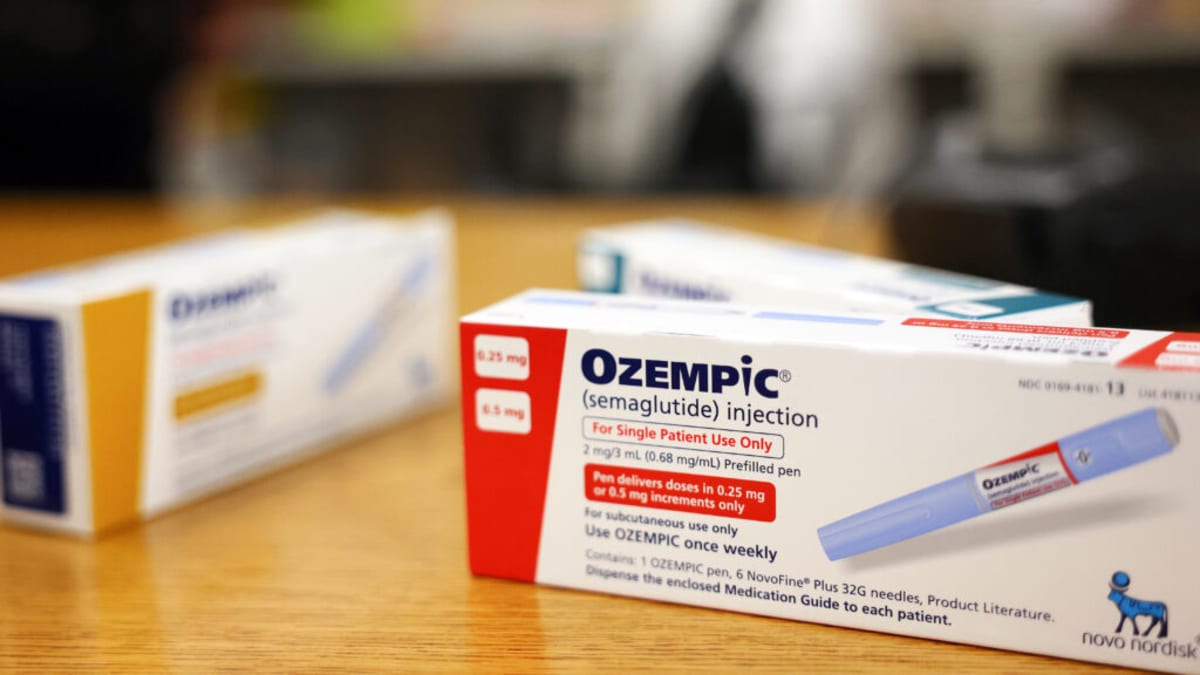
Maryland’s Prescription Drug Affordability Board has officially set a price cap on Ozempic, a glucagon like peptide 1 (GLP 1) receptor agonist manufactured by Novo Nordisk. The board, established in 2019 to address rising drug costs, conducted a review of the medication’s pricing and determined that its current cost posed an affordability challenge for patients and the state’s healthcare system. While the exact cap amount has not been publicly disclosed, the decision marks the first time a state has directly intervened to limit the price of a specific prescription drug through a regulatory board.
Why Public Health Officials Are Concerned
Ozempic, originally approved for type 2 diabetes management, has surged in popularity due to its effectiveness in promoting weight loss, leading to widespread off label use for obesity. However, its high cost, often exceeding $1,000 per month without insurance, has placed significant financial strain on patients, insurers, and state Medicaid programs. Public health advocates argue that unaffordable medications contribute to treatment non adherence, worsening chronic disease outcomes and increasing long term healthcare costs. Maryland’s decision reflects broader concerns about the sustainability of drug pricing in the U.S., where pharmaceutical companies operate with minimal price regulation compared to other high income countries.
Who May Be Affected
The price cap will primarily impact Maryland residents who rely on Ozempic for diabetes or obesity management, particularly those with high deductible insurance plans or limited prescription coverage. State Medicaid programs, which bear the cost of medications for low income populations, are also expected to see financial relief. However, the decision could prompt pharmaceutical companies to adjust pricing strategies in other states, potentially leading to supply or access challenges if manufacturers redirect inventory to markets with higher profit margins. Insurers and pharmacy benefit managers may also reassess coverage policies in response to the cap.
Government and Policy Response
Maryland’s move aligns with a growing trend of state led efforts to rein in drug costs. Nine other states, including Colorado, Maine, and Washington, have established or are considering similar affordability boards, though none have yet imposed a price cap on a specific medication. The pharmaceutical industry has pushed back against such measures, arguing that price controls could stifle innovation and limit patient access. Novo Nordisk, Ozempic’s manufacturer, has not yet commented on Maryland’s decision, but industry groups have previously warned that regulatory interventions could disrupt supply chains and deter investment in new treatments.
Prevention and Safety Guidance
Patients currently taking Ozempic should not discontinue use without consulting their healthcare provider, as abrupt changes in diabetes or obesity management can lead to serious health complications. Those concerned about affordability are encouraged to explore patient assistance programs offered by Novo Nordisk, which provide discounts or free medications to eligible individuals. Additionally, healthcare providers may consider alternative GLP 1 medications or lifestyle interventions for patients facing financial barriers. Maryland residents can contact the state’s Prescription Drug Affordability Board for information on the cap’s implementation and potential cost savings.
What Readers Should Know
Maryland’s price cap on Ozempic is a historic step in state level drug pricing regulation, but its long term impact remains uncertain. While the decision could improve access for some patients, it may also prompt legal challenges from pharmaceutical companies or shifts in how drugs are priced and distributed. For now, patients and providers should monitor updates from the state board and prepare for potential changes in insurance coverage or medication availability. This development underscores the urgent need for systemic solutions to address the rising cost of prescription drugs in the U.S.
Key Takeaways
- Maryland is the first state to impose a price cap on Ozempic through its Prescription Drug Affordability Board, setting a precedent for other states.
- The decision targets the high cost of Ozempic, which has become a financial burden for patients, insurers, and state Medicaid programs.
- Nine other states are exploring similar affordability boards, but none have yet implemented a price cap on a specific medication.
- Patients should consult healthcare providers before making changes to their medication regimen and explore assistance programs for cost relief.
Frequently Asked Questions
What is Ozempic, and why is it so expensive?
Ozempic is a GLP 1 receptor agonist used to treat type 2 diabetes and, off label, for obesity management. Its high cost is driven by limited competition, high demand, and the lack of price regulation in the U.S. pharmaceutical market.
How will Maryland’s price cap affect patients?
The cap is expected to lower out of pocket costs for Maryland residents, particularly those with insurance plans that cover Ozempic. However, the full impact on availability and coverage policies is still unclear.
Could other states follow Maryland’s lead?
Yes. Several states have established or are considering drug affordability boards, and Maryland’s decision could encourage them to pursue similar price caps on high cost medications.
What should patients do if they can’t afford Ozempic?
Patients should consult their healthcare provider to discuss alternatives, such as other GLP 1 medications or lifestyle interventions. Novo Nordisk also offers patient assistance programs for eligible individuals.
Medical Review: MedSense Editorial Board








DISCUSSION (0)
POST A COMMENT