What Happened
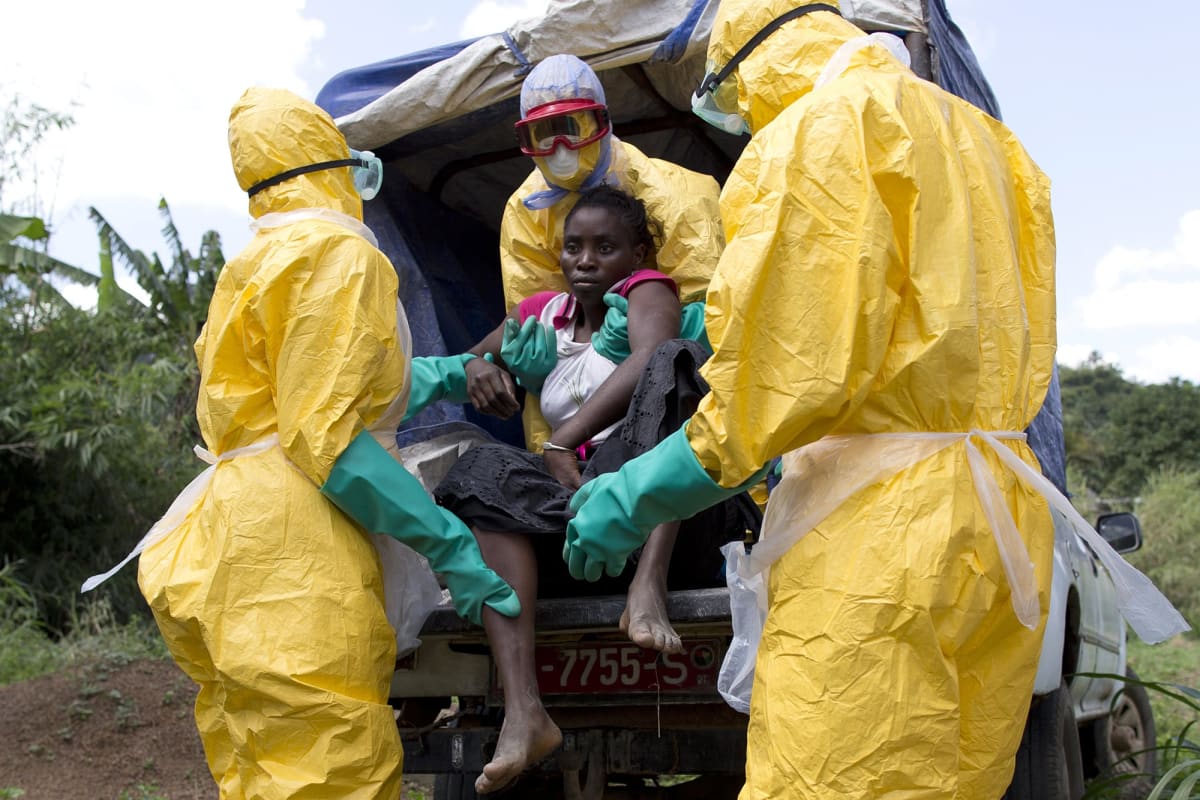
The Nigerian Medical Association has raised an urgent alarm following the resurgence of Ebola Virus Disease in the Democratic Republic of Congo. In response, the association is demanding two critical interventions: the immediate supply of fully functional Personal Protective Equipment for healthcare workers and mandatory emergency retraining nationwide on infection prevention and control protocols. These measures are deemed essential to mitigate the risk of healthcare associated transmission in Nigeria.
Why Public Health Officials Are Concerned
The resurgence of Ebola in neighboring DRC has triggered concerns among Nigerian public health officials due to the disease's high fatality rate and the potential for rapid cross border transmission. Healthcare workers are particularly vulnerable, as inadequate PPE or lapses in infection control protocols can facilitate viral spread within healthcare facilities. The Nigerian Medical Association warns that without swift action, Nigeria's healthcare system could face a preventable crisis, endangering both medical staff and patients.
Symptoms or Risk Factors
Ebola Virus Disease presents with severe symptoms including sudden fever, intense weakness, muscle pain, headache, and sore throat, followed by vomiting, diarrhea, and internal or external bleeding. Healthcare workers in Nigeria are at heightened risk due to potential exposure to infected patients or contaminated environments. The virus spreads through direct contact with bodily fluids, contaminated surfaces, or infected animals, making strict adherence to infection control measures critical.
Who May Be Affected
Frontline healthcare workers in Nigeria, including doctors, nurses, laboratory technicians, and support staff, are the primary population at risk. Patients seeking care in hospitals and clinics across the country could also be indirectly affected if infection control lapses occur. Additionally, communities near border regions with the DRC may face elevated exposure risks due to cross border travel and trade.
Government or WHO Response
The Nigerian government has yet to formally respond to the Nigerian Medical Association's demands, but public health agencies are monitoring the situation closely. The World Health Organization has reiterated the importance of preparedness in neighboring countries, emphasizing the need for robust surveillance systems and rapid response capabilities. Regional health authorities are coordinating with international partners to assess risks and deploy necessary resources.
Prevention and Safety Guidance
To reduce risks, healthcare workers are advised to strictly follow infection prevention protocols, including proper hand hygiene, use of appropriate PPE, and safe handling of potentially contaminated materials. Facilities must ensure the availability of functional PPE, including gloves, masks, gowns, and face shields, and conduct regular training on updated guidelines. The public is urged to report any symptoms of Ebola promptly to healthcare providers and avoid contact with individuals exhibiting signs of the disease.
What Readers Should Know
While Nigeria has not reported any Ebola cases, the resurgence in the DRC serves as a reminder of the ongoing threat posed by infectious diseases. Healthcare workers and the public must remain vigilant, ensuring adherence to safety protocols and supporting efforts to strengthen the country's health security infrastructure. Immediate action by authorities could prevent a potential outbreak and protect lives.
Key Takeaways
- The Nigerian Medical Association has called for urgent supply of functional PPE and mandatory retraining for healthcare workers amid Ebola resurgence in the DRC.
- Healthcare workers in Nigeria are at high risk due to potential exposure to Ebola, necessitating strict infection control measures.
- Ebola symptoms include sudden fever, weakness, vomiting, and bleeding, with transmission occurring through bodily fluids.
- Public health agencies are monitoring the situation, but immediate action is required to prevent a potential outbreak in Nigeria.
Frequently Asked Questions
What are the primary symptoms of Ebola Virus Disease?
Ebola Virus Disease typically begins with sudden fever, intense weakness, muscle pain, headache, and sore throat. As the disease progresses, patients may experience vomiting, diarrhea, and internal or external bleeding.
How does Ebola spread?
Ebola spreads through direct contact with bodily fluids, contaminated surfaces, or infected animals. Healthcare workers are particularly at risk due to exposure to infected patients or contaminated environments.
What measures can healthcare workers take to protect themselves?
Healthcare workers should strictly follow infection prevention protocols, including proper hand hygiene, use of appropriate PPE, and safe handling of potentially contaminated materials. Facilities must ensure the availability of functional PPE and conduct regular training on updated guidelines.
Has Nigeria reported any Ebola cases?
As of now, Nigeria has not reported any Ebola cases. However, the resurgence in the DRC has prompted public health agencies to monitor the situation closely and prepare for potential risks.
Medical Review: MedSense Editorial Board








DISCUSSION (0)
POST A COMMENT