Executive Summary
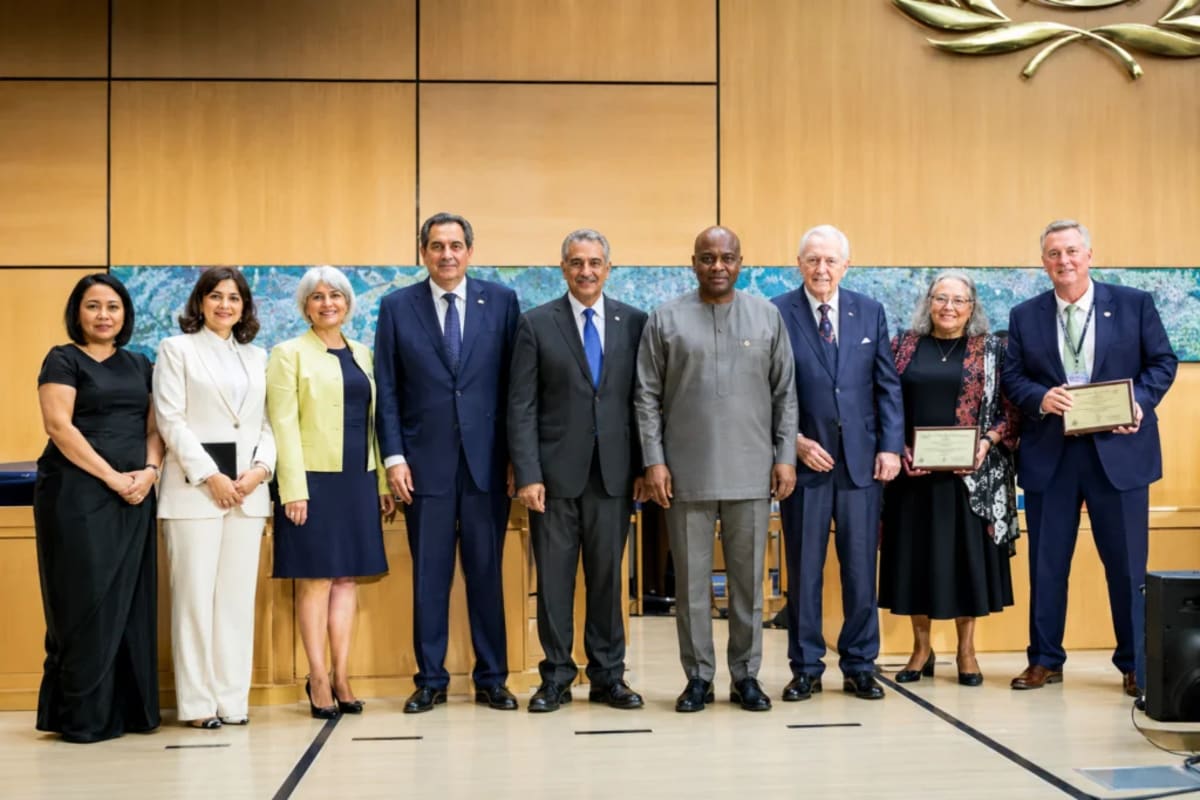
In a landmark ceremony at the Seventy-ninth World Health Assembly in Geneva, the World Health Organization (WHO) honored four global health champions whose decades of work have reshaped public health, saved millions of lives, and set new standards for equity and innovation. The 2026 recipients of the Director-General’s Award for Global Health were celebrated for their transformative contributions in vaccine equity, disease elimination, emergency response, and humanitarian care. Their achievements underscore the critical role of leadership, collaboration, and sustained investment in achieving health for all.
This recognition arrives at a pivotal moment, as the world grapples with emerging pandemics, antimicrobial resistance, and the widening gap in health equity. The awardees’ work offers a blueprint for addressing these challenges through science, policy, and community engagement. Their stories serve as both inspiration and a call to action for policymakers, healthcare professionals, and the public to prioritize global health as a shared responsibility.
What Happened
The World Health Organization (WHO) presented its prestigious Director-General’s Award for Global Health to four extraordinary leaders during the Seventy-ninth World Health Assembly in Geneva. The 2026 laureates—Dr. Tore Godal, Dr. Merceline Dahl-Regis, Dr. Mike Ryan, and Dr. Heba El Sewedy—were recognized for their lifelong contributions to global health, which have saved millions of lives and strengthened health systems worldwide. The ceremony, held under the theme “Reshaping global health: a shared responsibility,” highlighted their groundbreaking work in vaccine equity, disease elimination, emergency response, and humanitarian care.
Why Public Health Officials Are Concerned
The global health landscape faces unprecedented challenges, including the rise of new pandemics, the spread of antimicrobial resistance, and the disproportionate impact of climate-related health threats on vulnerable populations. The WHO’s recognition of these four leaders underscores the urgent need for coordinated action to address these crises. Their work demonstrates that progress in global health is not solely dependent on scientific breakthroughs but also on political will, equitable resource distribution, and community engagement.
Public health officials emphasize that the achievements of these awardees serve as a reminder of the critical gaps that still exist in health systems worldwide. For instance, despite progress in vaccine coverage, millions of children remain unvaccinated due to access barriers, conflict, and misinformation. Similarly, the resurgence of diseases like measles in regions previously declared free of the virus highlights the fragility of elimination efforts without sustained investment and vigilance.
The WHO’s recognition also comes at a time when global health financing is under strain, with competing priorities and economic uncertainties threatening long-term commitments to disease prevention and health system strengthening. The laureates’ work offers a roadmap for navigating these challenges by prioritizing equity, innovation, and resilience in health systems.
Meet the 2026 Global Health Champions
Dr. Tore Godal: The Vaccine Revolutionary
Dr. Tore Godal’s career spans over four decades, during which he has played a pivotal role in transforming global immunization programs. As a founding architect of Gavi, the Vaccine Alliance, he helped elevate vaccines to a cornerstone of global development, ensuring that life-saving immunizations reach the world’s most vulnerable populations. His leadership in initiatives like Roll Back Malaria and the Coalition for Epidemic Preparedness Innovations (CEPI) has been instrumental in combating neglected tropical diseases, including river blindness and leprosy.
Dr. Godal’s approach to public health is rooted in translating scientific innovation into large-scale action. His work with community-based ivermectin distribution programs has protected entire populations from debilitating diseases, demonstrating the power of integrating research, policy, and grassroots engagement. His contributions have not only saved lives but also inspired a new generation of public health leaders to prioritize equity in vaccine access.
Dr. Merceline Dahl-Regis: The Disease Eradicator
Dr. Merceline Dahl-Regis has dedicated her career to eliminating preventable diseases in the Americas and beyond. Her relentless advocacy led to the historic elimination of measles and rubella in the region, making it the first in the world to achieve this milestone. She also championed the Dual Elimination Initiative, which successfully eradicated mother-to-child transmission of HIV and syphilis in the Americas—a feat that has saved countless lives and reduced health disparities.
Dr. Dahl-Regis’s work is characterized by a holistic approach to health, combining rigorous research, community engagement, and regional collaboration. Her efforts have not only advanced disease elimination but also strengthened health systems, ensuring that no child or family is left unprotected. Her legacy serves as a testament to the power of persistence, collaboration, and a commitment to health equity.
Dr. Mike Ryan: The Emergency Response Architect
As the founder of the Global Outbreak Alert and Response Network (GOARN), Dr. Mike Ryan has reshaped how the world detects and responds to epidemics. His leadership during crises such as SARS, cholera, Ebola, polio, and COVID-19 has been instrumental in saving lives and preventing the spread of infectious diseases. As the Executive Director of WHO’s Health Emergencies Programme, he has led operational responses in some of the most challenging environments, from war zones to remote villages.
Dr. Ryan’s approach to emergency response is defined by a commitment to protecting vulnerable communities, regardless of geopolitical or logistical barriers. His work has demonstrated that effective crisis management requires not only technical expertise but also adaptability, collaboration, and a deep sense of empathy. His leadership during the COVID-19 pandemic, in particular, highlighted the importance of transparent communication, scientific rigor, and global solidarity in addressing health emergencies.
Dr. Heba El Sewedy: The Humanitarian Trailblazer
Dr. Heba El Sewedy’s work through the Ahl Masr Foundation has redefined humanitarian action and social justice in the field of trauma and burn care. Founded in 2013, the foundation provides comprehensive care for survivors of trauma and burns, offering medical, psychological, and social support. In the midst of conflict, such as the Gaza crisis, the foundation has delivered critical aid to those most affected, ensuring dignity and hope for survivors.
Dr. El Sewedy’s model of compassionate, people-centered care has become a beacon of inspiration for public health advocates worldwide. Her work underscores the importance of addressing not only the physical but also the psychological and social dimensions of health, particularly in crisis settings. By prioritizing the needs of the most vulnerable, she has demonstrated that health is intrinsically linked to human dignity and social justice.
Who May Be Affected
The work of these global health champions has far-reaching implications for populations across the globe, particularly those in low- and middle-income countries. Vulnerable groups, including children, pregnant women, refugees, and communities affected by conflict or natural disasters, stand to benefit the most from the policies and programs championed by these leaders.
For instance, Dr. Godal’s vaccine equity initiatives have ensured that children in remote or underserved regions have access to life-saving immunizations. Dr. Dahl-Regis’s disease elimination efforts have reduced health disparities in the Americas, protecting future generations from preventable illnesses. Dr. Ryan’s emergency response strategies have saved lives in some of the world’s most fragile health systems, while Dr. El Sewedy’s humanitarian work has restored dignity and hope to survivors of trauma and conflict.
Public health officials emphasize that the impact of these awardees’ work extends beyond individual lives saved. Their contributions have strengthened health systems, improved emergency preparedness, and fostered a culture of equity and collaboration in global health. These efforts are critical for addressing the complex health challenges of the 21st century, from pandemics to climate change.
Government or WHO Response
The WHO’s recognition of these four leaders aligns with its broader mission to achieve health for all and to address the inequities that persist in global health. The organization has called for increased investment in disease prevention, emergency preparedness, and health system strengthening, particularly in low- and middle-income countries. The WHO’s Global Health Strategy emphasizes the need for political will, sustainable financing, and multisectoral collaboration to address the root causes of health disparities.
The recognition also serves as a reminder of the importance of supporting global health initiatives through public and private partnerships. Organizations like Gavi, the Vaccine Alliance, and the Ahl Masr Foundation rely on sustained funding and advocacy to continue their lifesaving work. The WHO has urged governments and stakeholders to prioritize these initiatives, particularly in the face of emerging health threats and economic uncertainties.
Prevention and Safety Guidance
While the work of these global health champions is transformative, public health experts emphasize that sustained progress requires collective action. Here are key steps individuals and communities can take to support global health equity and preparedness:
- Support vaccine equity: Advocate for policies that ensure all children and adults have access to life-saving vaccines, regardless of their geographic location or socioeconomic status. Support organizations like Gavi, the Vaccine Alliance, which work to expand vaccine coverage in low-income countries.
- Promote disease elimination programs: Stay informed about elimination initiatives in your region and support efforts to eradicate diseases like measles, rubella, HIV, and syphilis. Advocate for policies that prioritize maternal and child health, including prenatal care and vaccination programs.
- Strengthen emergency preparedness: Support local and global initiatives that enhance early detection and response to outbreaks. This includes advocating for funding for organizations like GOARN and WHO’s Health Emergencies Programme, as well as participating in community preparedness efforts.
- Address health disparities: Advocate for policies that reduce health inequities, such as expanding access to healthcare in underserved communities, addressing social determinants of health, and combating misinformation about vaccines and disease prevention.
- Get involved locally: Volunteer with organizations that provide medical care, mental health support, or humanitarian aid in your community. Support local public health initiatives and advocate for policies that prioritize health equity and access to care.
What Readers Should Know
The recognition of these four global health champions by the WHO is more than a celebration of individual achievements—it is a call to action for all of us to prioritize global health as a shared responsibility. Their work demonstrates that progress in health is possible when we combine scientific innovation, political will, and community engagement. However, the challenges we face today, from pandemics to climate change, require sustained investment, collaboration, and a commitment to equity.
For policymakers, the message is clear: health must be a priority in global development agendas, with adequate funding and resources allocated to disease prevention, health system strengthening, and emergency preparedness. For healthcare professionals, the recognition of these leaders underscores the importance of advocacy, innovation, and a patient-centered approach to care. For the public, it is a reminder that health is not just an individual responsibility but a collective one, requiring us to support policies and initiatives that promote equity and access to care for all.
The work of Dr. Godal, Dr. Dahl-Regis, Dr. Ryan, and Dr. El Sewedy serves as a powerful example of what can be achieved when we prioritize health as a fundamental human right. Their stories inspire us to take action, whether through advocacy, volunteering, or supporting global health initiatives. As the world continues to grapple with complex health challenges, their achievements offer a roadmap for building a healthier, more equitable future for all.
Key Takeaways
- The WHO’s 2026 Director-General’s Award for Global Health honors four leaders whose work has saved millions of lives and strengthened health systems worldwide.
- Dr. Tore Godal’s leadership in vaccine equity and disease elimination has transformed global immunization programs, ensuring access for vulnerable populations.
- Dr. Merceline Dahl-Regis’s advocacy led to the elimination of measles and rubella in the Americas and the eradication of mother-to-child transmission of HIV and syphilis.
- Dr. Mike Ryan’s emergency response strategies have reshaped how the world detects and responds to epidemics, saving lives in some of the most challenging environments.
- Dr. Heba El Sewedy’s humanitarian work through the Ahl Masr Foundation has redefined trauma and burn care, providing dignity and hope to survivors in conflict zones.
- The recognition of these leaders underscores the urgent need for sustained investment in disease prevention, health system strengthening, and emergency preparedness.
- Global health progress requires political will, equitable resource distribution, and community engagement to address inequities and emerging health threats.
Frequently Asked Questions
What is the Director-General’s Award for Global Health, and why is it significant?
The Director-General’s Award for Global Health is one of the highest honors bestowed by the World Health Organization (WHO) to recognize individuals or organizations for their outstanding contributions to global health. It is significant because it highlights the critical role of leadership, innovation, and advocacy in addressing the world’s most pressing health challenges, from pandemics to health inequities.
How have the 2026 awardees contributed to vaccine equity?
Dr. Tore Godal, as a founding architect of Gavi, the Vaccine Alliance, has played a pivotal role in expanding access to life-saving vaccines for children in low- and middle-income countries. His work has ensured that vaccines reach vulnerable populations, reducing the burden of preventable diseases like measles, polio, and neglected tropical diseases.
What is the Dual Elimination Initiative, and how has it impacted public health?
The Dual Elimination Initiative, championed by Dr. Merceline Dahl-Regis, focuses on eradicating mother-to-child transmission of HIV and syphilis. This initiative has had a profound impact on public health by reducing health disparities, saving lives, and strengthening health systems in the Americas. It serves as a model for other regions aiming to eliminate preventable diseases.
How does Dr. Mike Ryan’s work address global health emergencies?
Dr. Mike Ryan, as the founder of the Global Outbreak Alert and Response Network (GOARN) and Executive Director of WHO’s Health Emergencies Programme, has reshaped global emergency response. His leadership during crises like Ebola, COVID-19, and cholera has demonstrated the importance of early detection, rapid response, and adaptability in saving lives and preventing the spread of infectious diseases.
What role does the Ahl Masr Foundation play in humanitarian health?
The Ahl Masr Foundation, founded by Dr. Heba El Sewedy, provides comprehensive care for survivors of trauma and burns, addressing both medical and psychological needs. In conflict zones like Gaza, the foundation delivers critical aid, ensuring dignity and hope for survivors. Its model emphasizes compassionate, people-centered care as a cornerstone of humanitarian health.
Why is global health equity important, and how can individuals contribute?
Global health equity is crucial because health disparities disproportionately affect vulnerable populations, exacerbating poverty and limiting economic development. Individuals can contribute by supporting organizations like Gavi and the Ahl Masr Foundation, advocating for equitable healthcare policies, staying informed about global health issues, and volunteering in their communities.
What are the biggest challenges facing global health today?
Some of the biggest challenges facing global health today include the rise of new pandemics, the spread of antimicrobial resistance, climate-related health threats, and widening health disparities. Addressing these challenges requires sustained investment in disease prevention, health system strengthening, emergency preparedness, and equitable resource distribution.
Medical Review: MedSense Editorial Board








DISCUSSION (0)
POST A COMMENT