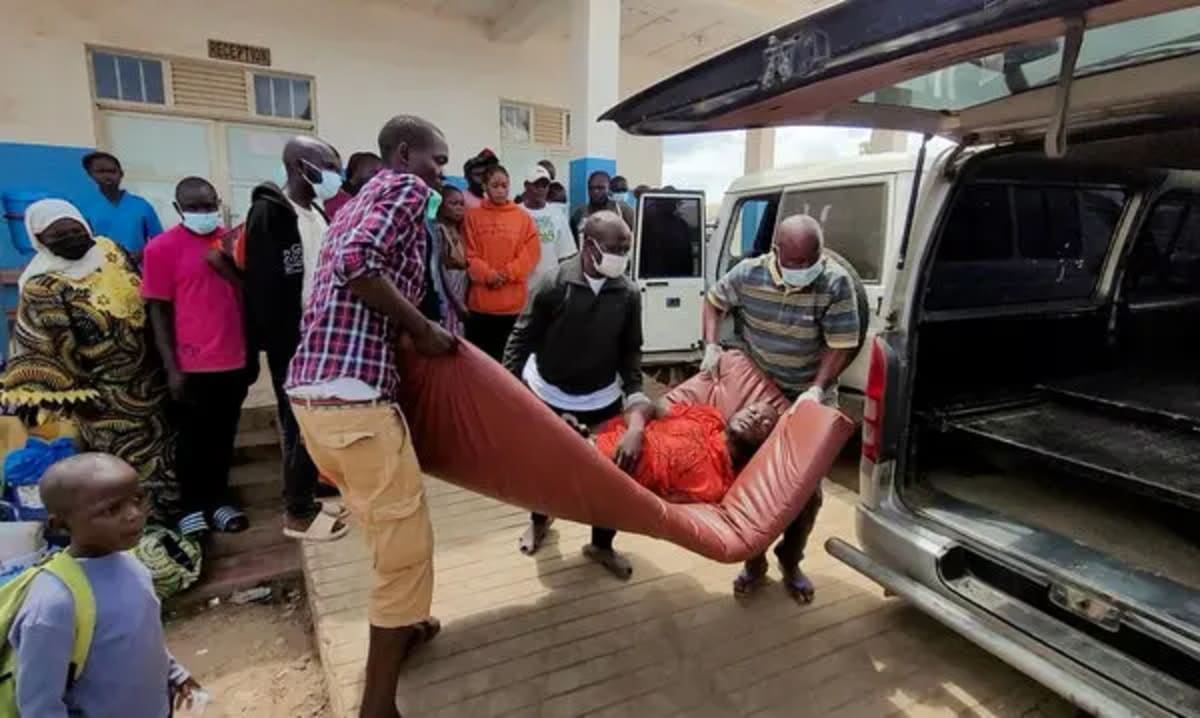
The World Health Organization has elevated the Ebola outbreak in the Democratic Republic of the Congo and neighboring Uganda to a Public Health Emergency of International Concern, a designation reserved for events that pose a serious risk to global health and may require an internationally coordinated response.
This declaration follows a sharp rise in confirmed cases and fatalities, as well as the first confirmed cross border transmission into Uganda, signaling a potential shift from a localized epidemic to a broader regional crisis. While the immediate risk to the general public outside Africa remains low, public health authorities emphasize that vigilance and preparedness are essential to prevent further spread.
What Happened
The current Ebola outbreak, caused by the Zaire ebolavirus species, was first detected in the Democratic Republic of the Congo in August 2018. Since then, it has become one of the largest and most complex outbreaks in the virus’s history, with over 3,400 confirmed cases and more than 2,200 deaths reported as of mid-2019. The declaration of a Public Health Emergency of International Concern (PHEIC) by the WHO on July 17, 2019, was prompted by the detection of multiple cases in Uganda, including a family that had traveled from Congo.
Ebola spreads through direct contact with the blood, secretions, organs, or other bodily fluids of infected people, or with surfaces and materials contaminated with these fluids. The virus can also be transmitted through contact with infected animals, such as fruit bats or primates, which are considered natural reservoirs. Unlike respiratory viruses, Ebola is not spread through the air, water, or food.
Why Public Health Officials Are Concerned
Several factors have elevated concerns about this outbreak:
- Cross-border transmission: The movement of infected individuals into Uganda represents a critical turning point, increasing the risk of sustained local transmission in a new country with limited prior experience managing Ebola.
- High fatality rate: Ebola’s case fatality rate in this outbreak has hovered around 65%, significantly higher than many other infectious diseases. This underscores the urgency of containment and treatment.
- Healthcare system strain: The outbreak has overwhelmed local health facilities in affected regions, where resources are already limited. Healthcare workers, who face the highest risk of infection due to close patient contact, have accounted for a substantial proportion of cases.
- Community mistrust and insecurity: In some areas, misinformation and resistance to public health measures, including vaccination and safe burials, have hindered response efforts. Armed conflict in parts of eastern Congo has also disrupted surveillance and containment activities.
The WHO’s PHEIC declaration is not a call for panic, but a signal that the situation demands heightened global attention and coordinated action to prevent further international spread.
Symptoms or Risk Factors
Ebola symptoms typically appear between 2 and 21 days after exposure, though most cases develop within 8 to 10 days. Early symptoms are often nonspecific and can resemble those of malaria or other tropical illnesses, which can complicate diagnosis in resource-limited settings.
Common early signs include:
- Sudden onset of fever
- Fatigue and muscle pain
- Headache
- Sore throat
As the disease progresses, more severe symptoms may develop, such as:
- Vomiting and diarrhea
- Rash
- Impaired kidney and liver function
- Internal and external bleeding (e.g., from the eyes, ears, or gums)
There is no specific treatment for Ebola, but early supportive care—including hydration, symptom management, and treatment of secondary infections—can improve survival rates. Experimental therapies and vaccines are being used under strict protocols in affected areas.
Who May Be Affected
The primary risk groups for Ebola infection include:
- Healthcare workers: Those caring for Ebola patients without proper personal protective equipment (PPE) are at the highest risk of infection.
- Family members and caregivers: Close contact with an infected person, especially during illness or after death, increases exposure risk.
- Travelers to affected regions: While the risk to tourists is low, those visiting or working in high-risk areas should take precautions.
- People in communities with active transmission: Residents of regions where Ebola is spreading face the greatest risk, particularly in areas with poor healthcare infrastructure.
It is important to note that Ebola does not spread easily. Casual contact with an infected person, such as passing them in a public space, does not transmit the virus. Transmission requires direct contact with bodily fluids.
Government or WHO Response
In response to the outbreak, the WHO has activated its Emergency Response Framework, deploying rapid response teams to affected areas to support local health authorities. Key measures include:
- Enhanced surveillance: Tracking and isolating cases to prevent further spread.
- Vaccination campaigns: The rVSV-ZEBOV vaccine, developed by Merck, has been deployed in Congo and Uganda. While not yet licensed, it has shown high efficacy in clinical trials and is being used under compassionate use protocols.
- Community engagement: Public health teams are working with local leaders to address misinformation, promote safe burial practices, and encourage early healthcare-seeking behavior.
- Border screening: Several countries, including Uganda, Rwanda, and Kenya, have implemented health screening at airports and land crossings to detect potential cases before they enter the community.
- International coordination: The WHO is collaborating with partners such as the Centers for Disease Control and Prevention (CDC), Médecins Sans Frontières (MSF), and UN agencies to ensure a unified response.
The WHO’s declaration of a PHEIC is intended to mobilize additional resources and political support for the response, including funding, medical supplies, and technical expertise.
Prevention and Safety Guidance
While the risk to the general public remains low, individuals traveling to or living in affected regions should take the following precautions:
- Avoid high-risk areas: If possible, postpone non-essential travel to regions with active Ebola transmission, particularly in eastern Congo and western Uganda.
- Practice rigorous hygiene: Wash hands frequently with soap and water for at least 20 seconds, or use alcohol-based hand sanitizer with at least 60% alcohol content. Avoid touching your face, especially your eyes, nose, and mouth.
- Use personal protective equipment (PPE) if necessary: Healthcare workers and those in direct contact with Ebola patients should wear gloves, masks, gowns, and eye protection.
- Avoid contact with wildlife: Do not handle or consume bushmeat, and avoid contact with bats, monkeys, or other potentially infected animals.
- Monitor your health: If you develop symptoms such as fever, fatigue, or unexplained bleeding within 21 days of returning from an affected area, seek medical attention immediately and inform healthcare providers of your travel history.
- Get vaccinated if eligible: The Ebola vaccine is recommended for high-risk groups, including healthcare workers and contacts of confirmed cases. While not yet widely available outside outbreak zones, vaccination remains the most effective tool for prevention.
For those outside affected regions, the risk of contracting Ebola remains extremely low. However, staying informed through reliable sources such as the WHO, CDC, and local health authorities is essential for making informed decisions about travel and health.
What Readers Should Know
Ebola is a serious and often fatal disease, but it is preventable and containable with the right measures. The current outbreak is a reminder of the importance of global health security and the need for international cooperation in responding to infectious disease threats. While the situation in Central Africa is concerning, it is not an imminent threat to most of the world.
Public health systems in many countries are better prepared than ever to detect and respond to Ebola cases. Rapid diagnostic testing, improved infection control practices, and international collaboration have significantly reduced the risk of large-scale outbreaks outside Africa.
However, complacency is not an option. The declaration of a PHEIC is a call to action for governments, healthcare systems, and individuals to remain vigilant and proactive. By following public health guidance, supporting response efforts, and staying informed, we can help prevent Ebola from becoming a global crisis.
Key Takeaways
- The WHO has declared the Ebola outbreak in Congo and Uganda a Public Health Emergency of International Concern, signaling a need for heightened global attention and coordinated action.
- Ebola spreads through direct contact with bodily fluids of infected individuals or contaminated surfaces, not through casual contact or the air.
- The current outbreak has a high fatality rate, with healthcare workers and close contacts at the greatest risk of infection.
- Vaccination and rigorous hygiene practices are the most effective tools for prevention, particularly for those in or traveling to affected regions.
- While the risk to the general public outside Africa remains low, staying informed through trusted sources and following public health guidance is essential.
Frequently Asked Questions
Can Ebola spread through the air or casual contact?
No. Ebola is not an airborne virus and does not spread through casual contact such as passing someone in a public space. Transmission requires direct contact with the blood, secretions, or other bodily fluids of an infected person, or with contaminated surfaces or materials.
What should I do if I recently traveled to an affected region and feel unwell?
If you develop symptoms such as fever, fatigue, muscle pain, or unexplained bleeding within 21 days of returning from an affected area, seek medical attention immediately. Inform your healthcare provider about your travel history so they can assess the risk and take appropriate precautions.
Is there a vaccine for Ebola?
Yes. The rVSV ZEBOV vaccine has been used in the current outbreak and has shown high efficacy in clinical trials. While not yet licensed, it is being administered under compassionate use protocols to high risk groups, including healthcare workers and contacts of confirmed cases.
How can I protect myself if I live in or am traveling to an affected region?
Avoid high risk areas if possible. Practice rigorous hand hygiene, avoid contact with bodily fluids, and do not handle or consume bushmeat. Use personal protective equipment if you are in direct contact with Ebola patients. Stay informed through trusted sources like the WHO and CDC.
What is the role of the WHO’s Public Health Emergency of International Concern (PHEIC) declaration?
A PHEIC declaration is made when an event poses a serious risk to global health and may require an internationally coordinated response. It is intended to mobilize additional resources, political support, and technical expertise to contain the outbreak and prevent further international spread.
Medical Review: MedSense Editorial Board








DISCUSSION (0)
POST A COMMENT