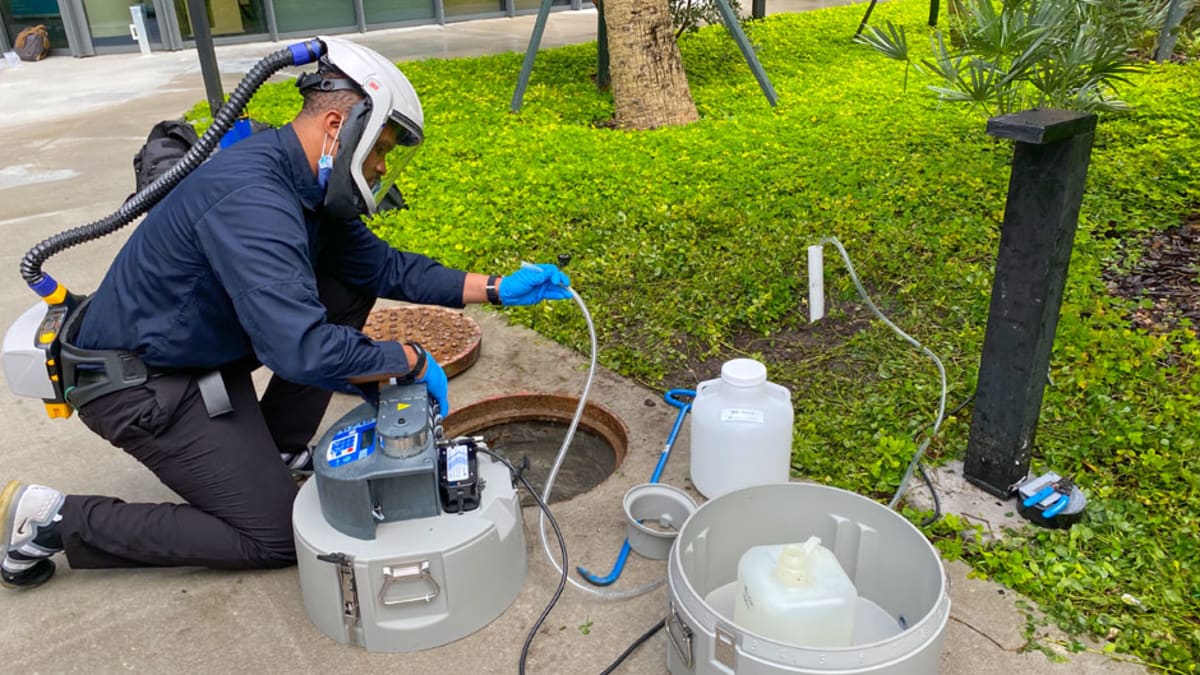
Researchers have demonstrated that wastewater surveillance can serve as a powerful early warning system for COVID-19 and potentially other respiratory viruses. A study published in Science found that genetic variations of SARS-CoV-2 in sewage closely track community transmission rates, often preceding clinical case reports by days or weeks. This method captures the true footprint of the virus, including asymptomatic and undetected cases, providing public health officials with near real-time data to guide response efforts. As communities and healthcare systems brace for future waves, experts emphasize the need to expand wastewater monitoring infrastructure and integrate it with traditional surveillance methods for more effective pandemic preparedness.
What Happened
A groundbreaking study published in Science has demonstrated that wastewater surveillance can serve as a highly effective early warning system for COVID-19, potentially transforming how public health officials track and respond to outbreaks. The research, led by Dustin Hill, a postdoctoral scholar at the Maxwell School, and Dave Larsen, a professor of public health, analyzed wastewater samples to detect genetic shifts in SARS-CoV-2. The findings revealed a direct correlation between viral genetic variations in sewage and rising infection rates in the community.
Unlike clinical testing, which relies on individuals seeking medical care and may miss asymptomatic or mild cases, wastewater surveillance captures the virus shed by all infected individuals, regardless of symptoms. This method provides a more comprehensive picture of viral circulation, enabling health officials to anticipate surges before they overwhelm hospitals. The study highlights that emerging variants often appear in wastewater samples before they are detected in clinical settings, offering a critical head start in tracking dangerous mutations.
Why Public Health Officials Are Concerned
Public health experts emphasize that the lag time between infection and clinical case reporting has historically hindered outbreak response efforts. Traditional surveillance methods, which depend on laboratory-confirmed cases, can take days or even weeks to reflect true transmission levels. During this gap, the virus continues to spread silently, particularly among undetected cases. Wastewater surveillance bridges this gap by providing near real-time data, allowing officials to implement targeted interventions before cases escalate.
The study’s authors note that wastewater monitoring is not a replacement for clinical testing but rather a complementary tool that enhances situational awareness. When combined with traditional surveillance, it forms a robust early warning system capable of detecting subtle shifts in viral activity. This approach proved invaluable during the COVID-19 pandemic, particularly in identifying surges in high-risk settings such as nursing homes, schools, and prisons, where rapid detection is critical to preventing outbreaks.
Symptoms or Risk Factors
Wastewater surveillance does not rely on individual symptoms or risk factors but instead captures the presence of viral genetic material shed by infected individuals. This includes people who are asymptomatic, presymptomatic, or experiencing mild symptoms that may not prompt a clinical test. The method is particularly effective in detecting early signs of viral circulation in a community, even when clinical case counts remain low.
However, wastewater surveillance is not without limitations. False positives can occur due to the presence of non-COVID viral shedding or environmental factors that affect sample integrity. Consistent sampling and rigorous laboratory protocols are essential to ensure the reliability of the data. Additionally, the method requires investment in infrastructure and trained personnel to collect, process, and analyze samples effectively.
Who May Be Affected
Wastewater surveillance has broad implications for communities, healthcare systems, and public health agencies. The method is particularly beneficial in settings where clinical testing may be limited or delayed, such as rural areas, underserved communities, or regions with strained healthcare resources. It also plays a crucial role in high-risk environments, including long-term care facilities, schools, and workplaces, where rapid detection of viral activity can prevent outbreaks.
Populations that are more vulnerable to severe outcomes from COVID-19, such as older adults, individuals with underlying health conditions, and immunocompromised individuals, stand to benefit the most from early warning systems. By providing timely data on viral circulation, wastewater surveillance enables targeted interventions, such as booster vaccination campaigns, masking recommendations, and enhanced infection control measures, to protect these groups.
Government or WHO Response
The World Health Organization (WHO) and the U.S. Centers for Disease Control and Prevention (CDC) have recognized the value of wastewater surveillance as a complementary tool for monitoring COVID-19 and other respiratory viruses. The CDC’s National Wastewater Monitoring Program, launched in 2020, tracks SARS-CoV-2 levels in sewage across the United States, providing data to local health departments and public health agencies. Similarly, the WHO has encouraged member states to integrate wastewater surveillance into their broader disease surveillance strategies.
In response to the study’s findings, public health experts are calling for increased investment in wastewater monitoring infrastructure, particularly in regions where resources are limited. The Biden administration, for example, has allocated funding to expand wastewater surveillance programs as part of its broader pandemic preparedness efforts. These initiatives aim to enhance early detection capabilities, improve outbreak response, and ultimately reduce the burden on healthcare systems.
Prevention and Safety Guidance
While wastewater surveillance provides critical data for public health officials, individuals can take proactive steps to protect themselves and their communities. If local wastewater data indicates a rise in viral activity, consider the following precautions:
- Stay Informed: Monitor local wastewater surveillance dashboards, which many cities and counties now publish online. These platforms provide real-time updates on viral activity in your area.
- Enhance Personal Protective Measures: In high-risk settings such as crowded indoor spaces, nursing homes, or schools, consider wearing a well-fitting mask, particularly if wastewater data suggests increased transmission. High-quality masks, such as N95 or KN95 respirators, offer the best protection.
- Prioritize Vaccination: Stay up to date with COVID-19 vaccinations, including booster doses. Vaccination remains the most effective way to reduce the risk of severe illness, hospitalization, and death. If wastewater data indicates a surge, prioritize getting your updated booster to protect vulnerable groups.
- Practice Good Hygiene: Continue to follow basic hygiene practices, such as frequent handwashing, avoiding touching your face, and staying home when sick. These measures help reduce the spread of respiratory viruses, including COVID-19.
- Support Community Efforts: Advocate for the expansion of wastewater surveillance programs in your community. Increased investment in this technology can enhance early detection and response efforts, benefiting everyone.
What Readers Should Know
Wastewater surveillance represents a paradigm shift in how we monitor and respond to infectious diseases. By leveraging the insights provided by sewage samples, public health officials can detect viral surges days or weeks before they are reflected in clinical case counts. This early warning system offers a critical advantage in curbing outbreaks, particularly in high-risk settings where rapid intervention is essential.
The study published in Science underscores the potential of wastewater surveillance not only for COVID-19 but also for other respiratory viruses, such as influenza and respiratory syncytial virus (RSV). As communities and healthcare systems prepare for future pandemics, experts emphasize the need to integrate wastewater monitoring into broader disease surveillance strategies. This approach could serve as a cornerstone of global health security, providing timely data to guide public health responses and protect vulnerable populations.
However, the success of wastewater surveillance depends on sustained investment in infrastructure, training, and collaboration between public health agencies, academic institutions, and local communities. Without these efforts, the full potential of this technology may remain untapped, leaving communities vulnerable to silent surges and delayed responses.
Key Takeaways
- Wastewater surveillance can detect COVID-19 genetic shifts days or weeks before clinical cases rise, providing a critical early warning system for public health officials.
- The method captures the true footprint of the virus, including asymptomatic and undetected cases, offering a more comprehensive picture of viral circulation.
- Emerging variants often appear in wastewater samples before they are detected in clinical settings, enabling faster tracking of dangerous mutations.
- Wastewater surveillance is not a replacement for clinical testing but a complementary tool that enhances situational awareness and outbreak response.
- Public health agencies, including the WHO and CDC, are increasingly integrating wastewater monitoring into their disease surveillance strategies.
- Individuals should stay informed about local wastewater data, enhance personal protective measures during surges, and prioritize vaccination to protect vulnerable groups.
Frequently Asked Questions
How does wastewater surveillance work to detect COVID-19?
Wastewater surveillance involves collecting and analyzing sewage samples to detect the presence of viral genetic material shed by infected individuals. SARS-CoV-2, the virus that causes COVID-19, is shed in the stool of infected people, even if they are asymptomatic. By sequencing the genetic material in wastewater, researchers can identify viral variants and track changes in viral load over time. This data provides a near real-time snapshot of viral circulation in a community, often preceding clinical case reports.
How accurate is wastewater surveillance compared to clinical testing?
Wastewater surveillance is highly sensitive and can detect the presence of the virus even when clinical testing is limited or delayed. However, it is not a replacement for clinical testing but rather a complementary tool. Wastewater data may occasionally produce false positives due to non-COVID viral shedding or environmental factors, but when combined with clinical data, it forms a robust early warning system. Consistency in sampling and rigorous laboratory protocols are essential to ensure reliability.
Can wastewater surveillance detect other respiratory viruses besides COVID-19?
Yes, the principles of wastewater surveillance can be applied to other respiratory viruses, such as influenza and respiratory syncytial virus (RSV). Researchers are exploring the use of this method to monitor seasonal flu activity and track the emergence of new viral variants. Wastewater surveillance could become a cornerstone of global health security, providing timely data to guide public health responses for a range of infectious diseases.
How can communities access wastewater surveillance data?
Many cities and counties now publish wastewater surveillance dashboards online, providing real-time updates on viral activity in specific areas. These platforms are typically maintained by local health departments or public health agencies. Individuals can bookmark their local dashboard and check it regularly, particularly during periods of increased viral circulation. The CDC’s National Wastewater Monitoring Program also provides data on SARS-CoV-2 levels across the United States.
What steps can individuals take if wastewater data indicates a rise in viral activity in their area?
If local wastewater data suggests increased transmission, individuals should consider enhancing personal protective measures, such as wearing a well-fitting mask in crowded indoor spaces or high-risk settings. Staying up to date with COVID-19 vaccinations, including booster doses, is also critical to reducing the risk of severe illness. Practicing good hygiene, such as frequent handwashing and staying home when sick, further helps to curb the spread of respiratory viruses.
Medical Review: MedSense Editorial Board








DISCUSSION (0)
POST A COMMENT