Executive Summary
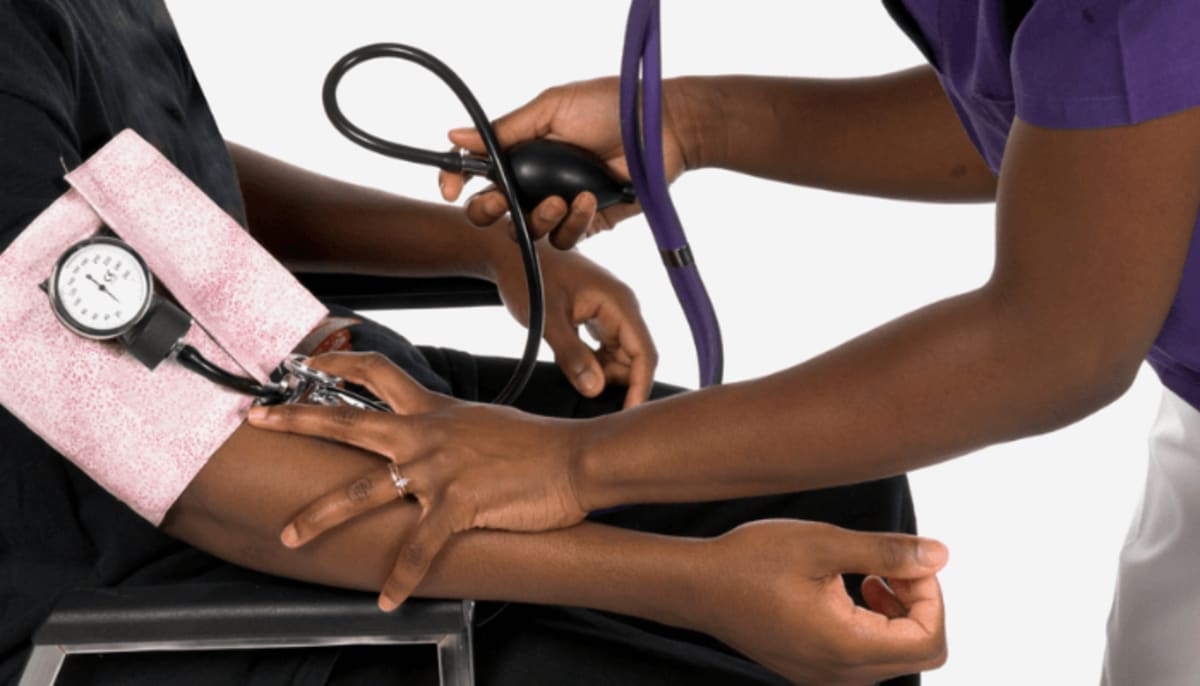
Nigeria is grappling with a worsening hypertension crisis, with an estimated 30% of adults affected by the condition, yet only a small percentage receiving adequate treatment. Economic instability has driven up the cost of essential medications, making them inaccessible to many Nigerians, particularly in rural areas where healthcare infrastructure is weakest. The consequences are dire: untreated hypertension leads to preventable deaths from strokes, heart attacks, and kidney failure. Public health experts and industry leaders are calling for urgent government intervention, including tax breaks for medications, expanded health insurance coverage, and public-private partnerships to boost local drug production. While systemic changes are critical, individuals can take proactive steps to monitor their blood pressure, adopt heart-healthy lifestyles, and seek affordable care. This report examines the scope of the crisis, its public health impact, and actionable solutions to mitigate the silent killer’s toll on Nigeria’s population.
What Happened
Nigeria is facing a critical public health challenge as hypertension, often referred to as the "silent killer," continues to escalate. Recent reports highlight a growing disparity between the number of Nigerians affected by high blood pressure and those receiving treatment. Economic instability, inflation, and rising healthcare costs have pushed essential hypertension medications beyond the reach of millions, particularly in rural and underserved communities. The situation has prompted urgent calls from industry leaders and public health officials for immediate government intervention to prevent a preventable health crisis.
Why Public Health Officials Are Concerned
The hypertension crisis in Nigeria is not just a medical issue—it is a socioeconomic emergency with far-reaching consequences. According to the World Health Organization (WHO), hypertension affects approximately 30% of Nigeria’s adult population, yet only about 10% of those affected have their condition under control. The lack of access to affordable medications and healthcare services in rural areas exacerbates the problem, leading to higher rates of complications such as strokes, heart attacks, and kidney failure. Public health officials warn that without targeted interventions, the crisis will continue to disproportionately impact low-income households and vulnerable populations.
The economic burden of untreated hypertension is staggering. A 2023 study published in the Journal of Hypertension estimated that the annual cost of hypertension-related complications in Nigeria exceeds $1.5 billion, straining an already fragile healthcare system. The study also found that rural communities, where healthcare infrastructure is weakest, bear the brunt of this crisis due to limited access to diagnostic tools and medications. The situation is further complicated by Nigeria’s reliance on imported pharmaceuticals, which has made essential drugs more expensive amid global supply chain disruptions.
Symptoms or Risk Factors
Hypertension is often asymptomatic in its early stages, which is why it is frequently referred to as the "silent killer." Many individuals remain unaware of their condition until it leads to severe complications. Key risk factors for hypertension include:
- Dietary habits: High salt intake, excessive consumption of processed foods, and low intake of fruits and vegetables are major contributors to hypertension.
- Lifestyle factors: Sedentary behavior, lack of physical activity, and obesity significantly increase the risk of developing high blood pressure.
- Genetic predisposition: A family history of hypertension raises an individual’s likelihood of developing the condition.
- Chronic stress: Prolonged stress, often linked to socioeconomic pressures, can elevate blood pressure and exacerbate existing hypertension.
- Age and gender: The risk of hypertension increases with age, and men are more likely to develop the condition before the age of 65, while women’s risk rises significantly after menopause.
Recognizing these risk factors is crucial for early intervention. Regular blood pressure screenings, even in the absence of symptoms, can help individuals identify hypertension before it progresses to life-threatening complications.
Who May Be Affected
The burden of hypertension in Nigeria is not evenly distributed. Certain populations are at higher risk due to socioeconomic, geographic, and demographic factors:
- Rural communities: Limited access to healthcare facilities, diagnostic tools, and medications makes rural populations particularly vulnerable. Many residents must travel long distances to reach the nearest clinic, delaying diagnosis and treatment.
- Low-income households: The rising cost of medications has made essential drugs unaffordable for many Nigerians. A 2022 report by the National Bureau of Statistics found that over 40% of low-income households spend more than 20% of their income on healthcare, often at the expense of other basic needs.
- Middle-aged and elderly adults: The prevalence of hypertension increases with age, with the highest rates observed in adults over 50. Older adults are also more likely to experience complications from untreated hypertension.
- Urban slum dwellers: Rapid urbanization has led to overcrowded living conditions, poor nutrition, and high levels of stress, all of which contribute to higher rates of hypertension in urban slums.
Addressing the hypertension crisis requires a targeted approach that prioritizes these high-risk groups and ensures equitable access to care.
Government or WHO Response
In response to the growing hypertension crisis, the Nigerian government and international health organizations have outlined several strategies to improve access to care and reduce the burden of the disease. The Federal Ministry of Health has acknowledged the urgency of the situation and is working to implement policies aimed at lowering medication costs and expanding healthcare coverage.
The World Health Organization (WHO) has provided technical support to Nigeria to strengthen its hypertension control programs. Key initiatives include:
- National guidelines for hypertension management: The WHO has collaborated with the Nigerian government to develop standardized protocols for the diagnosis, treatment, and management of hypertension. These guidelines emphasize the importance of regular blood pressure monitoring, lifestyle modifications, and affordable medication regimens.
- Expansion of the National Health Insurance Scheme (NHIS): The NHIS is being expanded to include coverage for hypertension treatment, ensuring that more Nigerians can access essential medications without financial hardship. As of 2024, the scheme now covers basic antihypertensive drugs in select states, with plans to roll out nationwide.
- Public-private partnerships: The government is encouraging collaborations between pharmaceutical companies, local manufacturers, and healthcare providers to increase the production of affordable generic medications. These partnerships aim to reduce Nigeria’s dependence on imported drugs and stabilize prices.
- Community health worker programs: The WHO and Nigerian health authorities are training community health workers to conduct blood pressure screenings in rural and underserved areas. These workers also provide education on lifestyle modifications and refer patients to healthcare facilities for further treatment.
While these efforts represent significant progress, experts emphasize that sustained funding, political commitment, and community engagement are essential to achieving long-term success.
Prevention and Safety Guidance
While systemic changes are critical to addressing the hypertension crisis, individuals can take proactive steps to protect their health and reduce their risk of complications. Prevention begins with awareness, regular monitoring, and adopting heart-healthy habits:
- Regular blood pressure monitoring: Adults should check their blood pressure at least once a year, or more frequently if they have risk factors such as a family history of hypertension, obesity, or a sedentary lifestyle. Blood pressure monitors are increasingly available in pharmacies and community health centers, making it easier for individuals to track their readings.
- Adopt a heart-healthy diet: Reducing salt intake to less than 5 grams per day is one of the most effective ways to lower blood pressure. The Dietary Approaches to Stop Hypertension (DASH) diet, which emphasizes fruits, vegetables, whole grains, lean proteins, and low-fat dairy, has been shown to significantly reduce hypertension risk. Avoiding processed foods, which are often high in sodium and unhealthy fats, is also crucial.
- Increase physical activity: Regular exercise, such as brisk walking, cycling, or swimming, can help lower blood pressure and improve overall cardiovascular health. The WHO recommends at least 150 minutes of moderate-intensity aerobic activity per week for adults.
- Limit alcohol consumption: Excessive alcohol intake can raise blood pressure and contribute to other health problems. Men should limit their alcohol consumption to no more than two standard drinks per day, while women should limit it to one.
- Manage stress: Chronic stress can elevate blood pressure and exacerbate hypertension. Techniques such as mindfulness, meditation, deep breathing exercises, and adequate sleep can help reduce stress levels.
- Quit smoking: Smoking damages blood vessels and increases the risk of hypertension and cardiovascular disease. Quitting smoking is one of the most important steps individuals can take to improve their heart health.
- Seek affordable care: For those already diagnosed with hypertension, accessing affordable medications and regular check-ups is essential. Public health centers, community clinics, and pharmacies often provide subsidized or low-cost services. The National Health Insurance Scheme (NHIS) now covers hypertension treatment in many states, making it easier for individuals to afford care.
Public health campaigns, such as Nigeria’s "Know Your Numbers" initiative, are also playing a key role in raising awareness about hypertension and encouraging individuals to take control of their health.
What Readers Should Know
Hypertension is a manageable condition, but it requires proactive steps to prevent complications and improve quality of life. For Nigerians, the current crisis underscores the importance of both individual action and systemic change. While the government and health organizations work to expand access to care and lower medication costs, individuals must take responsibility for their health by monitoring their blood pressure, adopting heart-healthy habits, and seeking timely medical advice.
The economic and social costs of untreated hypertension are too high to ignore. By prioritizing prevention, early intervention, and equitable access to care, Nigeria can reduce the burden of hypertension and save countless lives. The time to act is now—before the silent killer claims more victims.
Key Takeaways
- Hypertension affects an estimated 30% of Nigeria’s adult population, yet only about 10% have their condition under control, highlighting a critical gap in treatment and awareness.
- Rising medication costs and limited access in rural areas are exacerbating the hypertension crisis, leading to higher rates of preventable complications such as strokes and heart attacks.
- Economic instability and reliance on imported pharmaceuticals have driven up the cost of essential hypertension medications, making them inaccessible to many Nigerians.
- Public-private partnerships and expanded health insurance coverage are among the key strategies being implemented to improve access to affordable hypertension treatment.
- Individuals can take proactive steps to reduce their risk of hypertension, including adopting a heart-healthy diet, increasing physical activity, and regularly monitoring their blood pressure.
- Community health worker programs and public health campaigns are playing a crucial role in raising awareness and providing screenings in underserved areas.
Frequently Asked Questions
What are the early signs of hypertension?
Hypertension is often called the "silent killer" because it rarely presents noticeable symptoms in its early stages. Many individuals remain unaware of their condition until it leads to severe complications such as strokes, heart attacks, or kidney failure. The only way to detect hypertension early is through regular blood pressure screenings.
How can I lower my risk of developing hypertension?
Reducing your risk of hypertension involves adopting a heart-healthy lifestyle. This includes eating a balanced diet rich in fruits, vegetables, and whole grains while limiting salt and processed foods. Regular physical activity, maintaining a healthy weight, limiting alcohol consumption, quitting smoking, and managing stress are also critical. Regular blood pressure monitoring is essential for early detection.
What should I do if I cannot afford hypertension medications?
If you are struggling to afford hypertension medications, explore options such as public health centers, community clinics, and pharmacies that offer subsidized or low-cost services. The National Health Insurance Scheme (NHIS) now covers hypertension treatment in many states, making it easier to access care. Additionally, speak with your healthcare provider about generic medication alternatives, which are often more affordable.
How often should I check my blood pressure?
Adults should check their blood pressure at least once a year. If you have risk factors such as a family history of hypertension, obesity, or a sedentary lifestyle, you should monitor your blood pressure more frequently, such as every 6 months. Individuals already diagnosed with hypertension may need to check their blood pressure more often, as advised by their healthcare provider.
What role does diet play in managing hypertension?
Diet plays a crucial role in both preventing and managing hypertension. The Dietary Approaches to Stop Hypertension (DASH) diet emphasizes fruits, vegetables, whole grains, lean proteins, and low-fat dairy while reducing salt, saturated fats, and processed foods. Reducing sodium intake to less than 5 grams per day is particularly effective in lowering blood pressure.
Are there any government programs in Nigeria that help with hypertension treatment?
Yes, the Nigerian government, in collaboration with the World Health Organization (WHO), has expanded the National Health Insurance Scheme (NHIS) to include coverage for hypertension treatment. This initiative aims to make essential medications and healthcare services more accessible and affordable for Nigerians. Additionally, community health worker programs are being implemented to provide screenings and education in rural and underserved areas.
Medical Review: MedSense Editorial Board








DISCUSSION (0)
POST A COMMENT