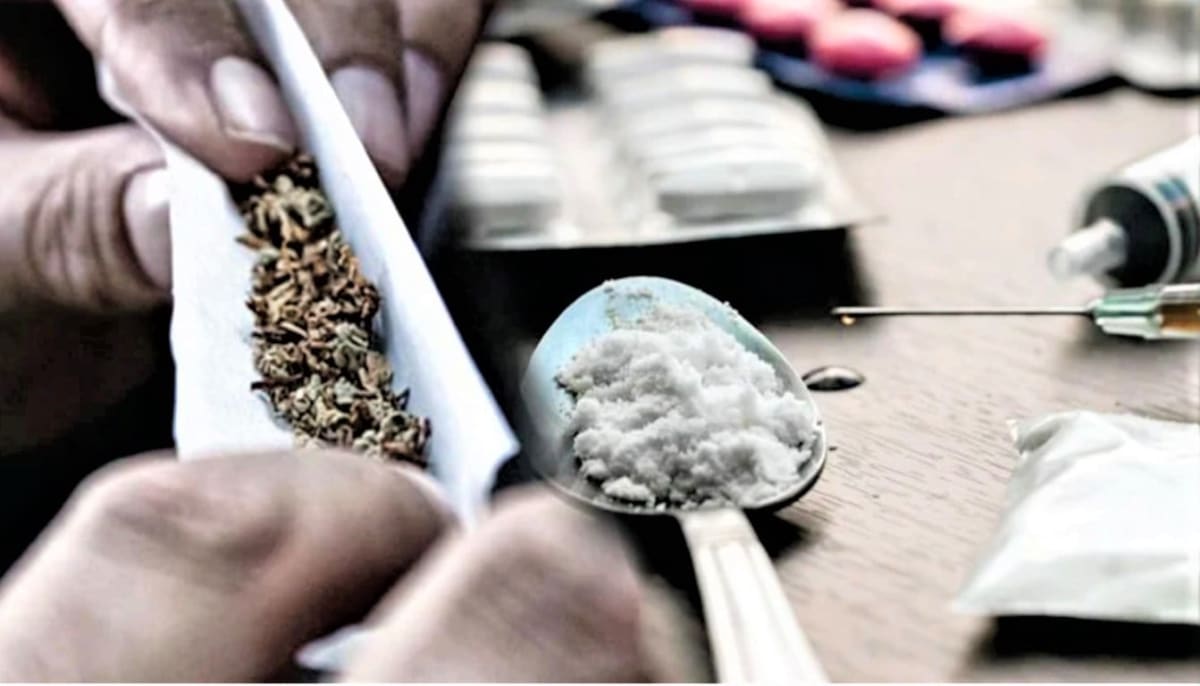
In Lagos, a growing crisis is unfolding in classrooms and on playgrounds, where boys as young as 10 are increasingly turning to drugs. The Engraced Lifestyle Foundation recently intervened at Apostolic Church Grammar School in Kosofe Local Government Area, gathering over 200 students for an emergency mentorship program after reports of widespread substance abuse, truancy, and moral decline among adolescent boys.
What Happened
The foundation’s intervention followed concerns from teachers and parents about a sharp rise in drug use among students. According to the group, substances like codeine based cough syrups, tranquilizers, and opioids are being smuggled into schools and sold openly in nearby pharmacies. Alcohol and cannabis are also gaining traction as gateway drugs, with some students reporting first use as early as age 12.
The foundation’s spokesperson described the situation as a “ticking time bomb,” noting that addiction is not only destroying individual lives but also undermining academic performance and social stability.
Why Public Health Officials Are Concerned
Public health experts warn that the crisis is fueled by a combination of social and economic pressures. Peer pressure, particularly through social media, has normalized drug use among adolescents, while economic despair and family breakdowns leave many youths vulnerable. The National Drug Law Enforcement Agency (NDLEA) estimates that 14.4 million Nigerians, including a significant number of adolescents, are currently battling substance use disorders.
Dr. Ifeoma Okoye, a child psychologist at Lagos University Teaching Hospital (LUTH), emphasized that the issue extends beyond individual behavior. “This is a public health emergency,” she said. “We’re seeing a surge in psychosis, overdose deaths, and school dropouts directly linked to substance abuse. The longer this goes unaddressed, the more severe the consequences will become.”
Symptoms or Risk Factors
Parents and educators are urged to watch for warning signs that may indicate drug use in adolescents. These include:
- Sudden mood swings or behavioral changes
- Declining academic performance or loss of interest in school activities
- Secretive behavior, including hiding possessions or avoiding eye contact
- Unexplained financial requests or missing money
- Physical symptoms such as bloodshot eyes, slurred speech, or unusual odors
Who May Be Affected
The crisis disproportionately impacts boys from low income households, where parental supervision may be limited and economic pressures drive some youths toward drug use or sales. Schools in densely populated areas of Lagos, particularly in Kosofe and other local government regions, have reported higher rates of truancy and gang involvement linked to substance abuse.
Government or WHO Response
While local and national authorities have acknowledged the growing problem, enforcement of existing drug laws remains inconsistent. The NDLEA has intensified crackdowns on illegal drug sales, including raids on pharmacies suspected of selling codeine based syrups to minors. However, experts argue that stricter regulations and community based interventions are needed to address the root causes of the crisis.
Prevention and Safety Guidance
Preventing youth drug abuse requires a collaborative effort from families, schools, and policymakers. The Engraced Lifestyle Foundation recommends the following steps:
- Early and open conversations: Parents should initiate discussions about the dangers of drug use before children reach adolescence.
- Monitoring social and physical environments: Schools and parents must be vigilant about peer groups, online activity, and unregulated sales of substances in local pharmacies.
- Seeking professional help: If drug use is suspected, immediate intervention through counselors, psychologists, or organizations like the NDLEA can prevent further harm.
- Advocating for systemic change: Communities should push for stronger enforcement of drug laws, mandatory drug education in schools, and expanded access to rehabilitation programs.
What Readers Should Know
This is not a problem confined to Lagos alone. Similar trends have been reported in other Nigerian cities, where economic instability and social pressures create fertile ground for substance abuse. The Engraced Lifestyle Foundation’s intervention is a critical first step, but lasting solutions will require coordinated action from all sectors of society. Parents, educators, and policymakers must act decisively to protect the next generation from the long term consequences of addiction.
Key Takeaways
- A Lagos based foundation has raised alarms over a surge in drug abuse among schoolboys, with substances like codeine syrups and opioids being smuggled into classrooms.
- Public health experts warn that the crisis is fueled by peer pressure, economic despair, and weak enforcement of drug laws.
- Warning signs of drug use in adolescents include mood swings, declining grades, secretive behavior, and physical symptoms like bloodshot eyes.
- Parents and schools are urged to take proactive steps, including open conversations, monitoring environments, and seeking professional help when needed.
- The crisis demands systemic change, including stricter enforcement, drug education in schools, and expanded access to rehabilitation programs.
Frequently Asked Questions
What are the most commonly abused drugs among adolescents in Lagos?
According to public health reports, codeine based cough syrups, tranquilizers, opioids, alcohol, and cannabis are among the most commonly abused substances among adolescents in Lagos.
How can parents identify if their child is using drugs?
Parents should watch for sudden behavioral changes, declining academic performance, secretive behavior, unexplained financial requests, and physical symptoms such as bloodshot eyes or slurred speech.
What should schools do to address drug abuse among students?
Schools should implement mandatory drug education programs, monitor students for warning signs, and collaborate with parents and local authorities to enforce drug free policies.
Is there government support available for families affected by youth drug abuse?
The National Drug Law Enforcement Agency (NDLEA) and local organizations like the Engraced Lifestyle Foundation provide counseling and intervention services for families and affected youth.
What long term consequences can drug abuse have on adolescents?
Long term consequences include addiction, mental health disorders such as psychosis, school dropouts, involvement in criminal activities, and severe health complications.
Medical Review: MedSense Editorial Board









DISCUSSION (0)
POST A COMMENT