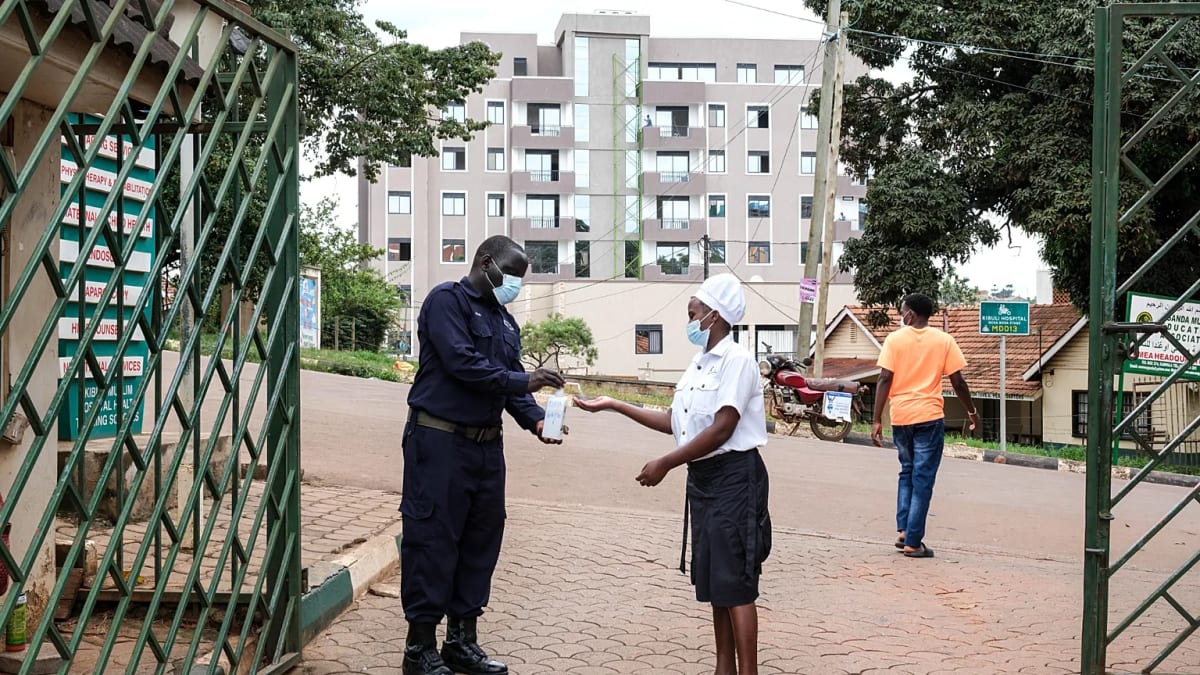
Uganda has activated a frontline defense against the deadly Ebola virus, deploying health workers to conduct temperature checks and enforce hygiene protocols at key border crossings. The move comes as the World Health Organization officially designated the outbreak a Public Health Emergency of International Concern, signaling a rare escalation in global health alert levels. With more than 90 lives already lost, officials are racing to contain the spread before it crosses into neighboring regions or beyond.
What Happened
Health authorities in Uganda have intensified surveillance at border points near Bundibugyo in the western region, where the Ebola outbreak has been concentrated. Travelers are now subject to mandatory temperature screenings and handwashing stations have been installed at high traffic crossing points. The measures aim to detect potential cases early and prevent the virus from spreading across borders.
Why Public Health Officials Are Concerned
The Ebola virus, known for its high fatality rate and rapid transmission through bodily fluids, has already claimed over 90 lives in this outbreak. The WHO's emergency declaration reflects growing alarm about the outbreak's potential to escalate into a regional or even global crisis. Previous Ebola outbreaks have demonstrated how quickly the virus can spread through international travel, making border screening a critical containment strategy.
Symptoms or Risk Factors
Ebola typically presents with sudden onset of fever, fatigue, muscle pain, headache, and sore throat. This is followed by vomiting, diarrhea, rash, and in some cases, both internal and external bleeding. The incubation period ranges from 2 to 21 days, meaning travelers may not show symptoms immediately after exposure. Healthcare workers and those in close contact with infected individuals face the highest risk of transmission.
Who May Be Affected
The current outbreak primarily impacts communities in western Uganda, particularly around Bundibugyo. However, the border screening measures target travelers from all regions, as well as those crossing into neighboring countries. Business travelers, migrant workers, and local traders who frequently cross borders are among those most likely to encounter the screening protocols.
Government or WHO Response
The WHO's emergency declaration enables coordinated international support, including funding, medical supplies, and expert personnel. Ugandan health authorities are working closely with the WHO and regional partners to strengthen surveillance, improve case detection, and ensure rapid isolation of suspected cases. The emergency status also helps mobilize global resources to support Uganda's containment efforts.
Prevention and Safety Guidance
Travelers in affected regions should take the following precautions:
- Avoid direct contact with blood or bodily fluids of infected individuals
- Wash hands frequently with soap and water or use alcohol based hand sanitizers
- Avoid handling bushmeat or contact with wild animals
- Seek immediate medical attention if symptoms develop
- Follow all instructions from health workers at screening points
What Readers Should Know
While the Ebola outbreak remains concentrated in specific regions, the WHO's emergency declaration serves as a reminder that infectious diseases know no borders. The screening measures at Uganda's borders represent a proactive approach to prevent international spread. Travelers should remain vigilant, follow public health guidance, and stay informed about developments through official sources like the WHO and Uganda's Ministry of Health.
Key Takeaways
- Uganda has implemented enhanced Ebola screening at border crossings following WHO's emergency declaration
- The outbreak has already claimed over 90 lives and requires urgent containment measures
- Travelers should be aware of symptoms and follow hygiene protocols when crossing borders
- The WHO's emergency status enables coordinated international support for Uganda's response efforts
Frequently Asked Questions
What are the early symptoms of Ebola?
Early symptoms include sudden fever, fatigue, muscle pain, headache, and sore throat. These may progress to vomiting, diarrhea, rash, and in severe cases, internal and external bleeding.
How effective is border screening in preventing Ebola spread?
While not foolproof, border screening helps detect symptomatic travelers and raises awareness about the outbreak. It serves as an important layer of defense alongside other containment measures like contact tracing and community education.
What should travelers do if they suspect Ebola exposure?
Travelers who suspect exposure should immediately isolate themselves and seek medical attention. They should avoid contact with others and inform healthcare providers about their travel history and potential exposure before arriving at a medical facility.
Medical Review: MedSense Editorial Board









DISCUSSION (0)
POST A COMMENT