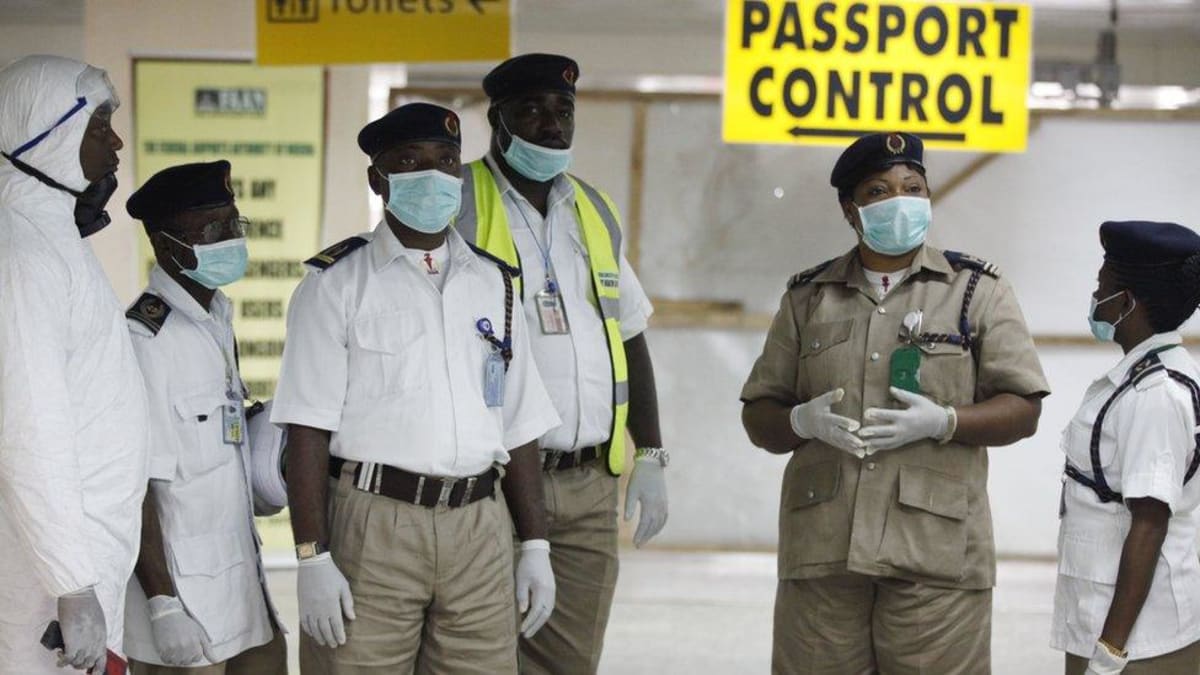
Nigeria has moved swiftly to fortify its borders against the potential reintroduction of Ebola, activating enhanced surveillance and emergency response protocols at every international airport in the country. The Federal Airports Authority of Nigeria (FAAN) confirmed the measures this week, signaling a proactive stance as global health agencies monitor sporadic outbreaks in Central and West Africa. While no cases have been detected in Nigeria, the decision reflects growing unease over the virus’s unpredictable resurgence and the critical role airports play in cross border disease transmission. For travelers, healthcare workers, and communities near major hubs, the move brings both reassurance and a reminder of the persistent threat posed by viral hemorrhagic fevers. Ebola, which devastated West Africa during the 2014, 2016 epidemic, remains a high consequence pathogen with no licensed vaccine for broad use. Public health experts emphasize that early detection at points of entry is one of the most effective tools to prevent localized outbreaks from spiraling into regional crises. Nigeria’s response arrives as neighboring countries report isolated cases, underscoring the need for vigilance in a region still grappling with the aftermath of past epidemics.
What Happened
FAAN has implemented a series of heightened measures across all international airports, including Lagos, Abuja, Kano, and Port Harcourt. The protocols include mandatory temperature screening for arriving passengers, enhanced disinfection of high touch surfaces, and the deployment of rapid response teams trained to isolate and manage suspected cases. While the authority has not released full operational details, sources indicate that health declaration forms and targeted questioning about recent travel to outbreak zones may also be reintroduced.
The activation follows a recent alert from the World Health Organization (WHO) about a confirmed Ebola case in the Democratic Republic of the Congo (DRC), where the virus has caused intermittent outbreaks since 2018. Though Nigeria has not reported a case since 2014, its dense urban centers and high volume air travel make it particularly vulnerable to imported infections. The 2014 outbreak, which claimed seven lives in Nigeria, demonstrated how quickly the virus can spread in crowded transit hubs before detection.
Why Public Health Officials Are Concerned
Ebola’s high fatality rate, historically ranging from 25% to 90% depending on the strain, and its potential for rapid transmission in healthcare settings make it a priority pathogen for global surveillance. Unlike respiratory viruses such as COVID 19, Ebola spreads primarily through direct contact with bodily fluids, contaminated surfaces, or infected animals. However, its incubation period of up to 21 days allows asymptomatic travelers to unknowingly carry the virus across borders, complicating containment efforts.
Public health officials are particularly wary of the virus’s ability to exploit gaps in healthcare infrastructure. During the 2014 outbreak, Nigeria’s swift response, including contact tracing, isolation, and community engagement, was credited with containing the spread. Yet experts warn that complacency could erode those gains. Dr. Chikwe Ihekweazu, former Director General of the Nigeria Centre for Disease Control (NCDC), previously noted that "airports are the first line of defense, but they must be part of a broader system that includes robust laboratory capacity and community trust."
Who May Be Affected
The enhanced protocols primarily target international travelers, particularly those arriving from countries with active Ebola transmission, such as the DRC, Uganda, or Guinea. However, the measures also impact airport staff, including ground handlers, customs officers, and healthcare workers stationed at screening points. These groups face elevated exposure risks and may require additional protective equipment and training.
Communities near major airports, such as Lagos’ Ikeja or Abuja’s Gwagwalada, could also experience indirect effects. Past outbreaks have shown that even a single undetected case can trigger panic, stigma, and disruptions to local healthcare services as resources are diverted to containment efforts. Public health campaigns are expected to ramp up in these areas to educate residents about symptoms and prevention.
Government and WHO Response
The Nigerian government has not issued a formal travel advisory or imposed restrictions on flights from affected countries. However, FAAN’s measures align with WHO’s International Health Regulations, which recommend targeted screening for high risk travelers without disrupting global mobility. The WHO has praised Nigeria’s preparedness efforts in the past, citing its rapid response to monkeypox and Lassa fever as evidence of strengthened surveillance systems.
In a statement, the NCDC reiterated its commitment to supporting FAAN’s protocols, noting that the agency’s National Reference Laboratory in Abuja is equipped to test for Ebola within hours. The NCDC also urged state governments to review their emergency response plans, particularly in areas with high international connectivity.
Prevention and Safety Guidance
For travelers, the most critical step is to stay informed about active outbreaks and comply with airport screening procedures. Those arriving from affected regions should monitor their health for 21 days and seek medical attention immediately if symptoms such as fever, fatigue, muscle pain, or unexplained bleeding develop. Healthcare workers are advised to maintain strict infection control practices, including the use of gloves, gowns, and face shields when treating patients with compatible symptoms.
General precautions include:
- Avoiding contact with blood or bodily fluids of people who are sick.
- Refraining from handling bushmeat or consuming raw animal products in outbreak zones.
- Practicing regular hand hygiene with soap and water or alcohol based sanitizers.
- Following local health advisories and reporting suspected cases to authorities.
What Readers Should Know
Nigeria’s proactive stance reflects a broader shift in global health security, where countries are increasingly prioritizing early detection over reactive measures. While the risk of Ebola spreading within Nigeria remains low, the activation of airport protocols serves as a reminder that infectious diseases respect no borders. For citizens, the key takeaway is vigilance, not panic. The country’s experience with past outbreaks has strengthened its capacity to respond, but individual awareness and cooperation with health authorities remain vital.
Travelers should check the latest advisories from the WHO, NCDC, and their local embassies before departure. Those with planned trips to outbreak zones may consider postponing non essential travel or consulting a travel health clinic for personalized advice. For healthcare providers, now is the time to refresh training on Ebola case management and infection prevention, ensuring readiness in the event of a suspected case.
Key Takeaways
- Nigeria has activated enhanced Ebola screening and response protocols at all international airports to prevent cross border transmission.
- The measures include temperature checks, health declarations, and rapid response teams, targeting travelers from outbreak zones like the DRC.
- Ebola’s high fatality rate and long incubation period make early detection at airports critical to preventing localized outbreaks.
- Airport staff, healthcare workers, and communities near transit hubs face elevated risks and should follow strict infection control practices.
- Travelers should monitor their health for 21 days after arriving from affected regions and report symptoms immediately.
Frequently Asked Questions
What are the symptoms of Ebola?
Ebola symptoms typically appear 2 to 21 days after exposure and may include fever, severe headache, muscle pain, weakness, fatigue, diarrhea, vomiting, abdominal pain, and unexplained bleeding or bruising. Early symptoms can resemble those of malaria or typhoid, making laboratory testing essential for diagnosis.
How does Ebola spread?
Ebola spreads through direct contact with the blood or bodily fluids of an infected person, contaminated objects (such as needles or bedding), or infected animals (like fruit bats or primates). It is not airborne, but close contact with an infected individual or their fluids can transmit the virus.
Is there a vaccine for Ebola?
Yes, the Ervebo vaccine is approved for use in individuals aged 18 and older to protect against the Zaire strain of Ebola virus, which has caused most outbreaks. However, it is not yet widely available for general use and is primarily deployed in outbreak response settings.
What should I do if I suspect I have been exposed to Ebola?
If you suspect exposure, isolate yourself immediately and contact local health authorities or a healthcare provider. Avoid close contact with others, and do not travel or visit public places. Healthcare workers will guide you through testing and, if necessary, treatment in a specialized isolation facility.
How effective are airport screenings in preventing Ebola spread?
Airport screenings are a critical first line of defense but are not foolproof. They primarily detect symptomatic travelers, while those in the incubation period may pass undetected. Screenings are most effective when combined with robust public health systems, including contact tracing and community surveillance.
Medical Review: MedSense Editorial Board








DISCUSSION (0)
POST A COMMENT